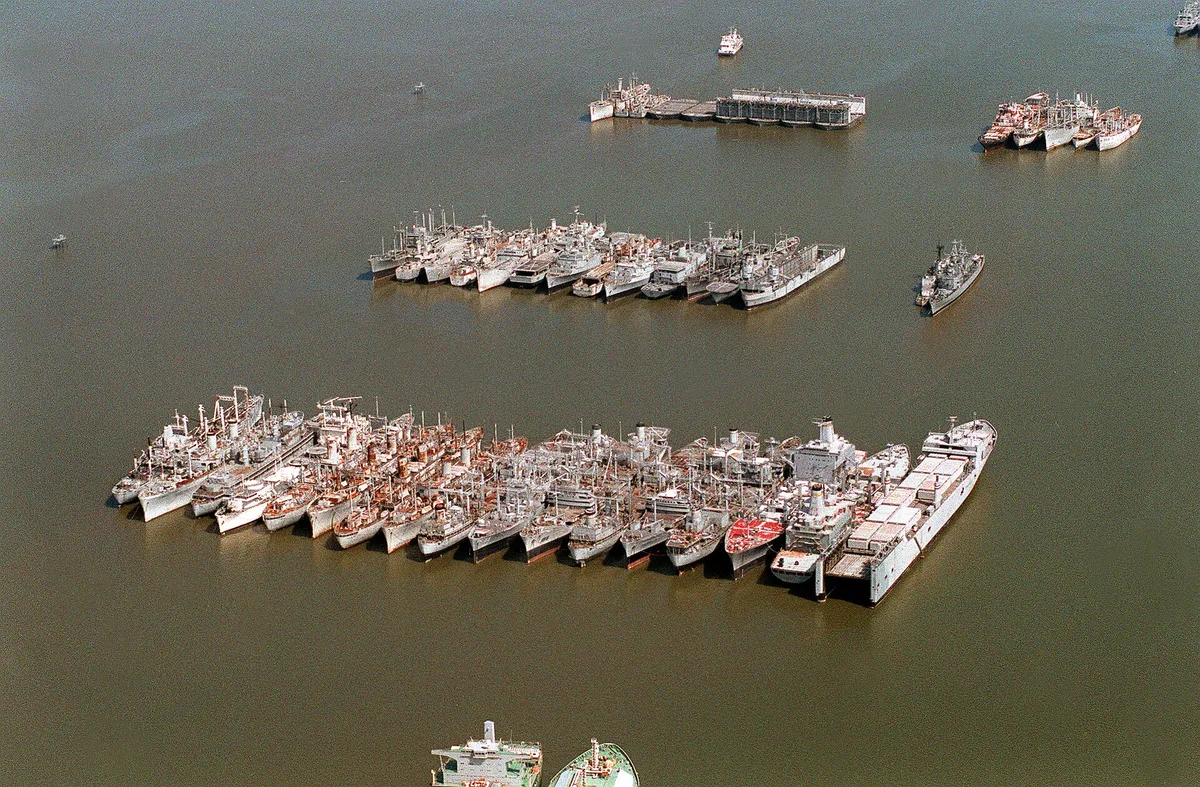
Reserve Fleets: What Happens to Retired Warships
Retired ships do not always go straight to the scrapyard. Reserve fleets keep mothballed hulls preserved for years, ready to be reactivated in a crisis.
Readiness rates, deployment cycles, crew shortfalls and repair backlogs examined through audit findings and fleet statistics, not commissioning ceremonies.
Retired ships do not always go straight to the scrapyard. Reserve fleets keep mothballed hulls preserved for years, ready to be reactivated in a crisis.
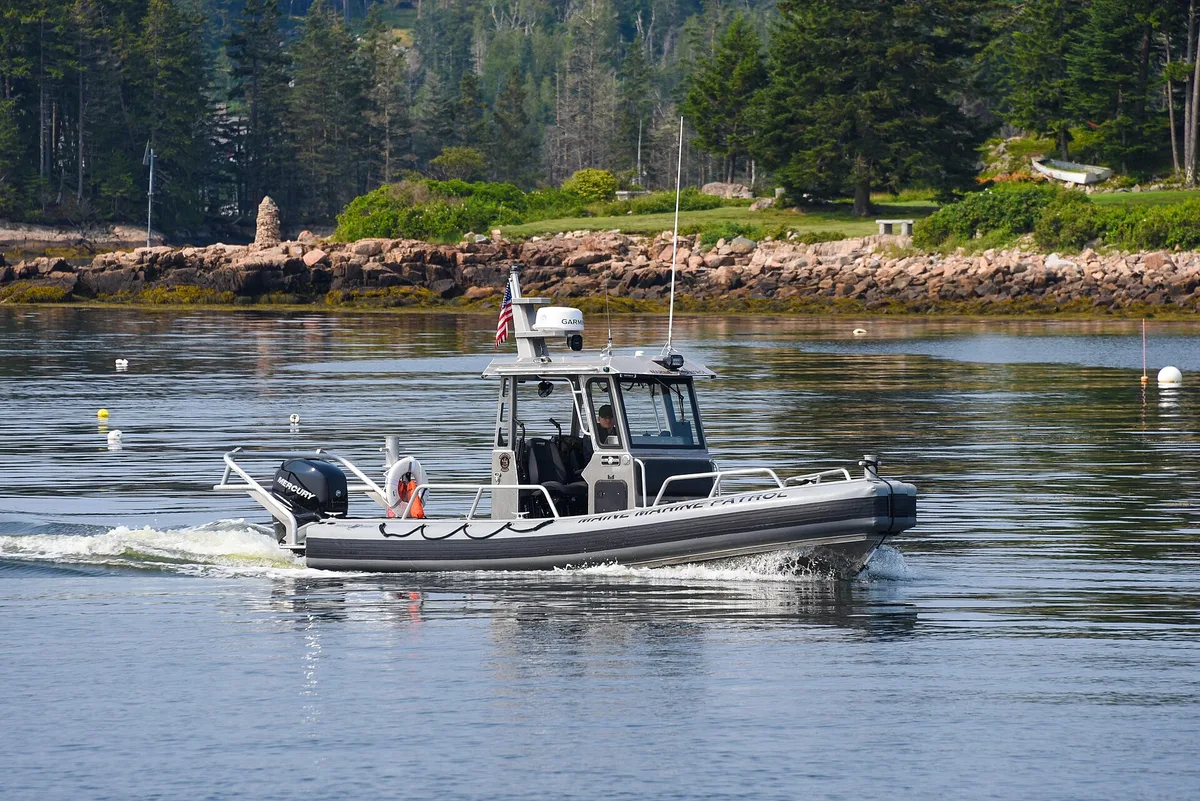
Why the humble patrol boat is the most common warship afloat: the types, the daily coast-guarding jobs, what they carry, and the small-ship comeback.

Diesel-electric and nuclear submarines compared in plain words: how each type works, what it does well, and why only a few navies run nuclear boats.
What sails in a US amphibious ready group: the three ship types, the Marines and aircraft aboard, and the missions from disaster relief to major war.
A warship that sails home to resupply is a warship that leaves its post. Underway replenishment lets navies move fuel, food, and ammunition between ships at sea.
The Arleigh Burke class is the US Navy's principal guided-missile destroyer, in construction since 1988 and in service since 1991.