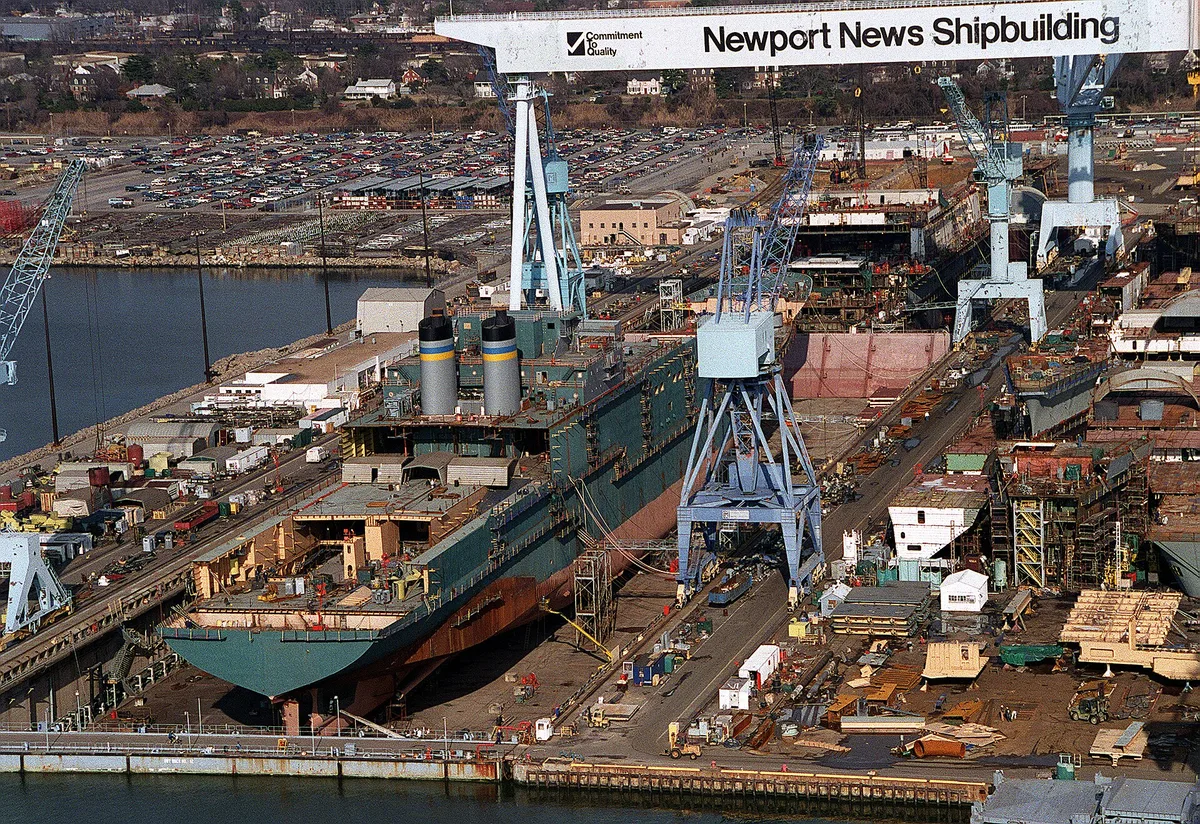
Modular Shipbuilding: Why Navies Build Warships in Blocks
Prefab sections, common hulls and parallel work changed how a warship goes together.
Shipbuilding covers the yards themselves: dock capacity, module construction, welding workforce, steel and component supply, repair throughput and program schedules. Reporting quantifies backlog and identifies exactly where delivery dates slip. Aimed at suppliers, yard management, procurement staff and analysts tracking the industrial capacity behind naval expansion plans.
Naval and commercial yards reported through capacity, workforce, steel supply, module sequencing and the slippage visible years before a delivery date.
Prefab sections, common hulls and parallel work changed how a warship goes together.
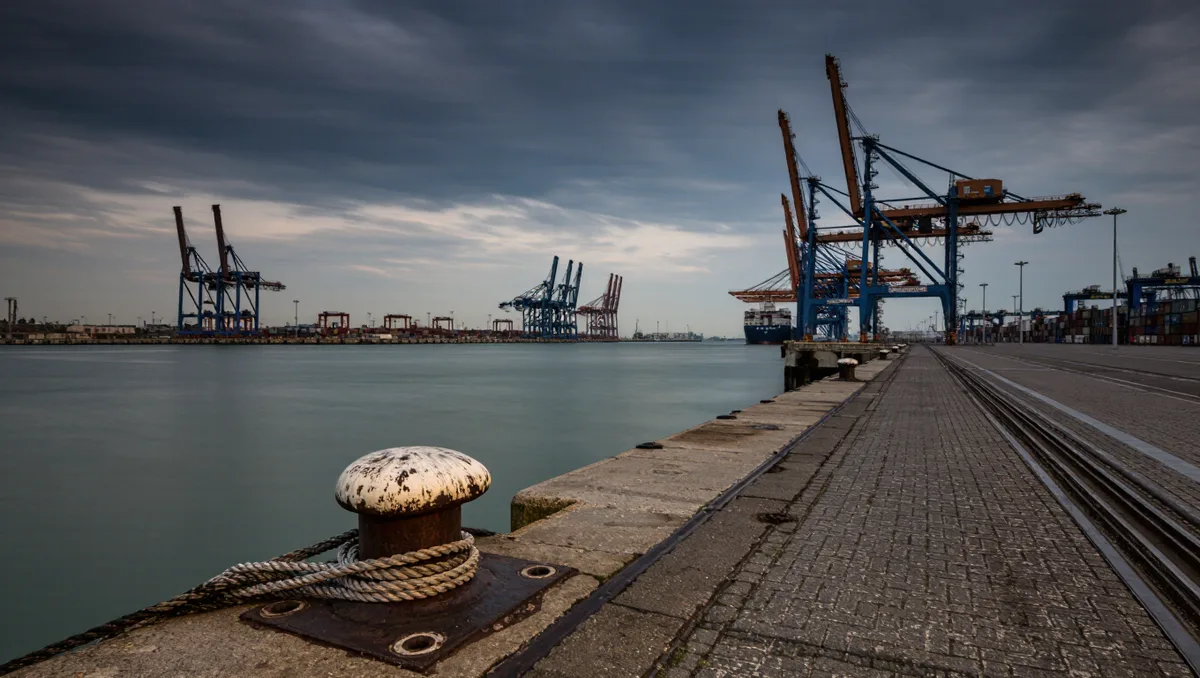
The purchase price is the smallest line in a ship's ledger. Support, upgrades and disposal follow for decades.
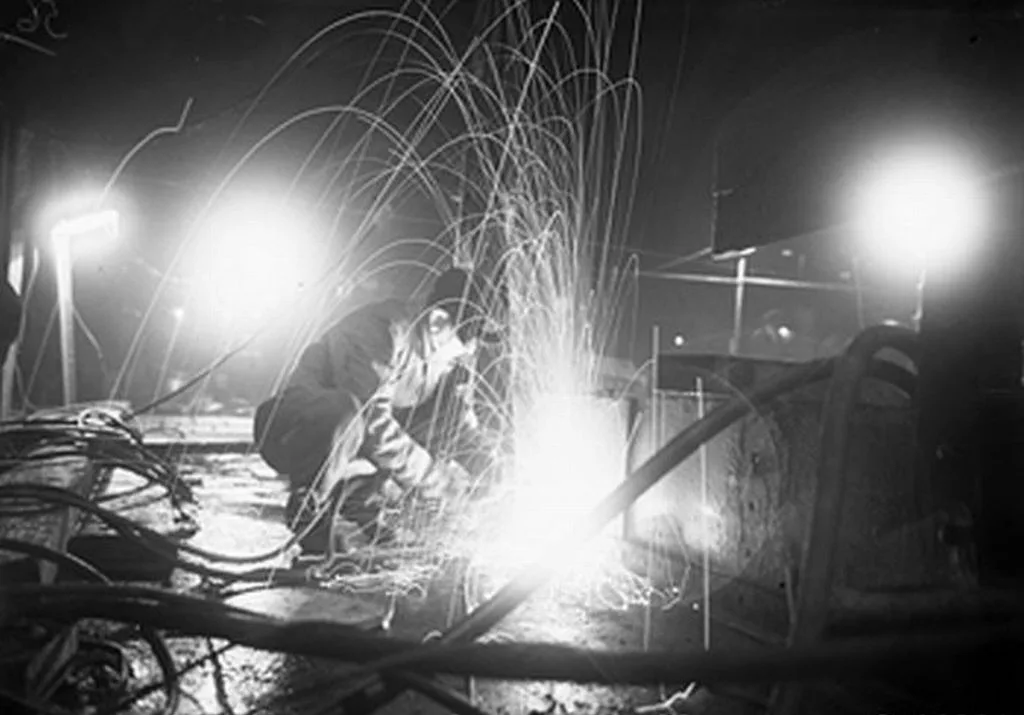
Every seam in a steel hull carries load, seals the sea out, and is inspected before a ship ever floats.
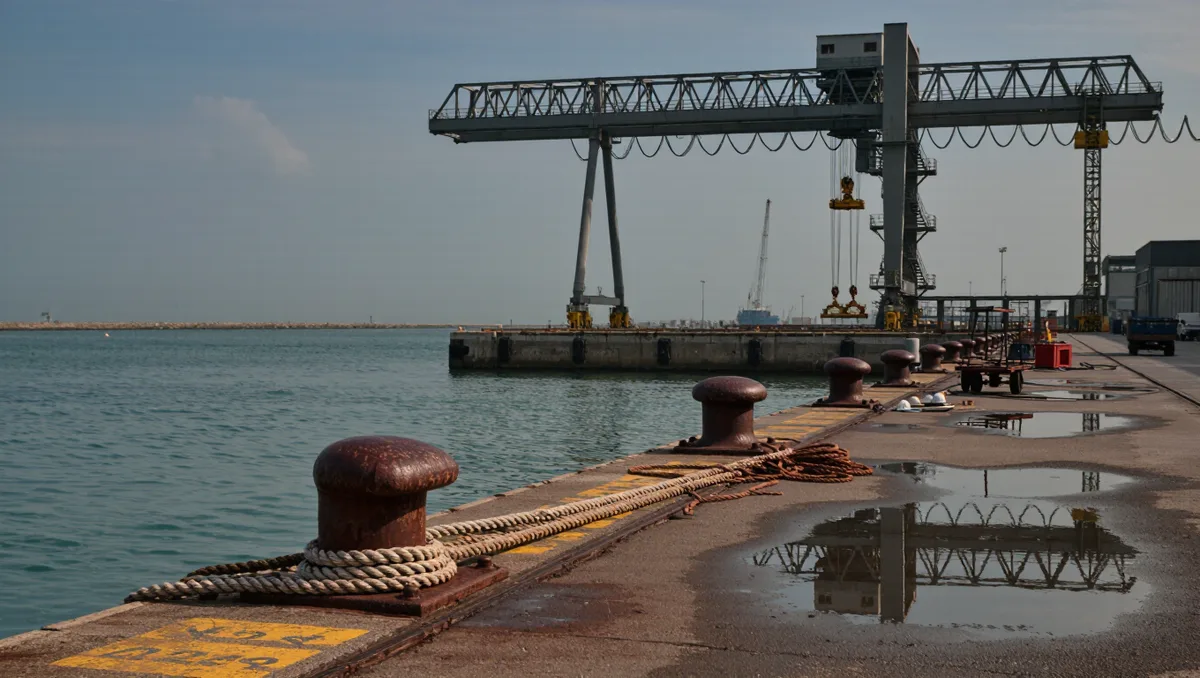
What the work actually is, how people train into it, and where the yards are hiring.

A US Navy warship passes through five documented milestones between first construction and active service, each marked by an official event.
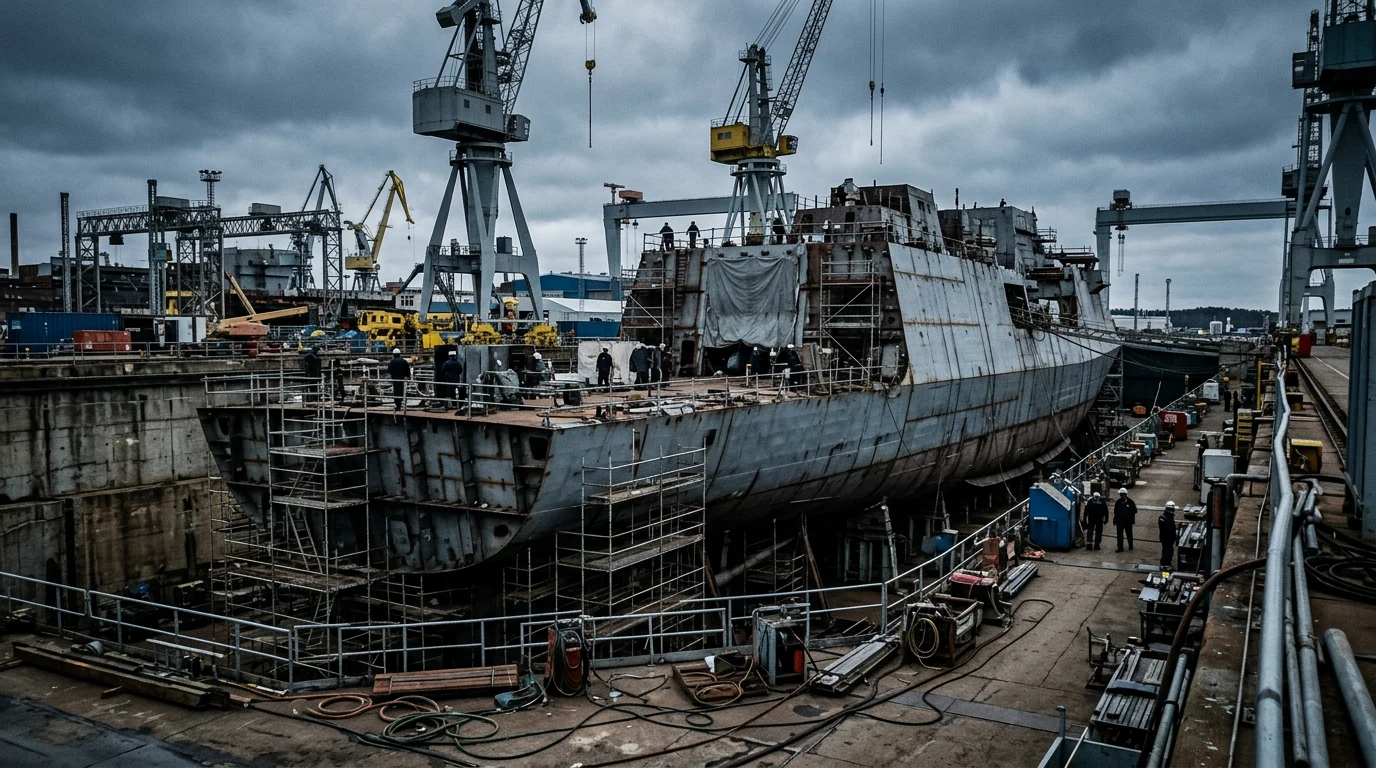
The construction of a U.S. Navy surface combatant or submarine follows a fixed sequence of ceremonies and milestones, each marking a documented stage of the shipbuilding process.