When people picture a navy, they imagine big carriers and destroyers. Yet the most common warship on Earth is far smaller. It is the patrol boat, and it does the daily work of guarding coasts, ports, and fishing grounds.
This guide looks at what patrol boats are, the jobs they do, and why many navies lean on small ships more than ever.
What counts as a patrol boat
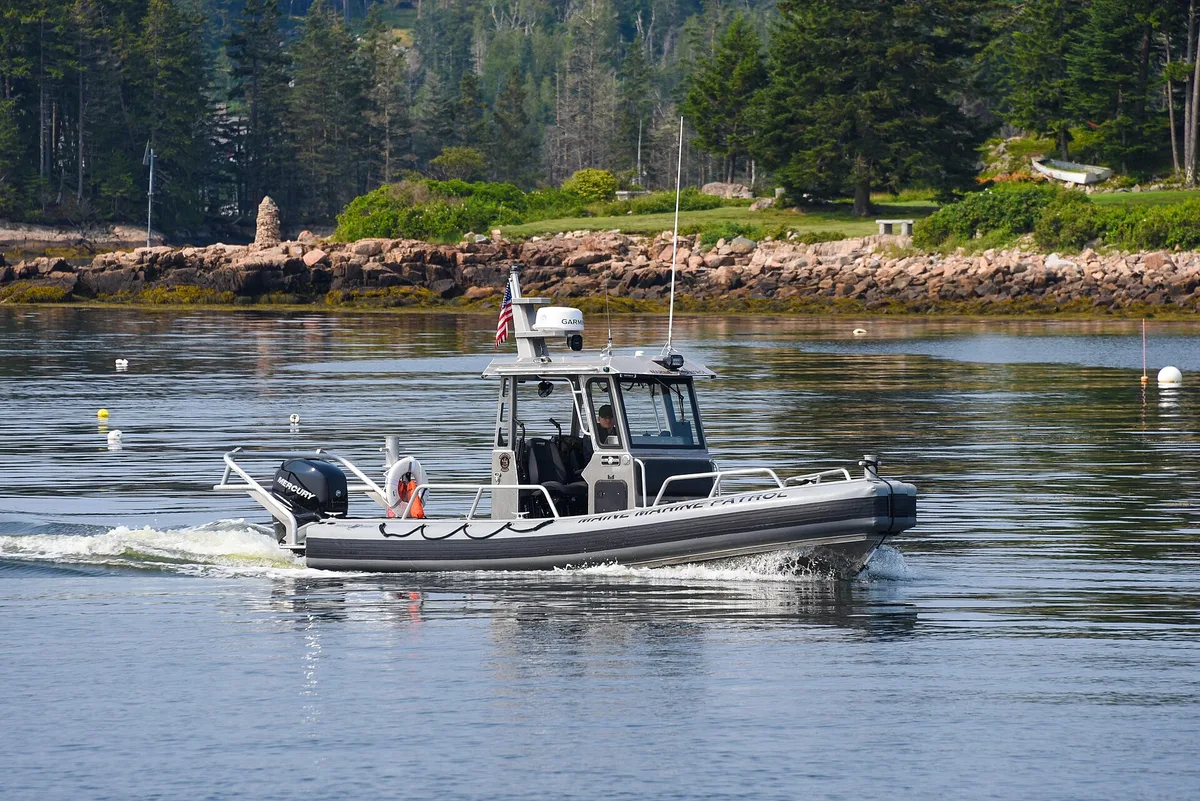
A patrol boat is a relatively small naval vessel built mainly for coastal defence, border security, or law enforcement. Navies, coast guards, police forces, and customs services all operate them. They work at sea, in estuaries, and on rivers. The name can stretch a long way. A patrol vessel may be as large as a corvette or even a frigate, or as small as a yacht or a rigid inflatable boat. Wikipedia's patrol boat article surveys the whole family.
Two broad groups help sort things out. Offshore patrol vessels, or OPVs, are usually the smallest ships in a fleet that are big and seaworthy enough to patrol in the open ocean. Inshore patrol vessels are typically too small for that. They stay in lakes, rivers, or close to the coast.
The jobs they do every day
Patrol boats spend much of their lives watching a country's exclusive economic zone. Their other roles include anti-smuggling work, anti-piracy patrols, fishery patrols, immigration law enforcement, and search and rescue. Their small size and relatively low cost make them one of the most common naval vessels in the world.
For some states, these ships matter far beyond support work. Depending on the size and needs of a nation's forces, patrol boats may be anything from minor coast guard craft to flagships that make up most of a navy's fleet. Some smaller navies are composed of little else. We covered a connected angle in Virginia-Class Attack Submarines: The Navy's Fast-Attack Fleet, As of 2026.
What they carry
Seagoing patrol boats are typically around 30 meters, or 100 feet, long. Most carry a single medium caliber artillery gun as their main armament, plus lighter weapons such as machine guns. Some carry a close-in weapon system. Depending on the role, boats in this class may also have the sensors and fire control systems to use torpedoes, anti-ship missiles, or surface-to-air missiles. The largest patrol vessels and offshore patrol vessels are typically more than 100 meters, or 330 feet, in length, and the largest OPVs might carry a flight deck and a helicopter.
Modern designs are often powered by gas turbine arrangements such as CODAG, and speeds generally sit in the 25 to 30 knot range. In times of crisis or war, these vessels are expected to support the larger ships of a navy.
Small ships with a long record
Small patrol craft have proved themselves before. During both World Wars, all sides built numbers fast by arming motorboats and seagoing fishing trawlers as auxiliary patrol boats. During the Vietnam War, the US Navy ordered 193 aluminum-hulled Patrol Craft, Fast, also known as Swiftboats, and the fiberglass-hulled Patrol Boat, River worked the inland waterways of that conflict.
Conclusion: the comeback makes sense
Big ships get the headlines, but small ships get the job done day after day. A patrol boat is relatively cheap to buy and run, yet it can police a coastline, rescue a sailor, or chase a smuggler. That mix explains why it is one of the most common naval vessels in the world, and why some smaller navies are built almost entirely around it. As more states focus on their own coasts and economic zones, the small-ship fleet looks set to keep growing. For related coverage, see How Naval Replenishment Ships Keep a Fleet Fed at Sea.