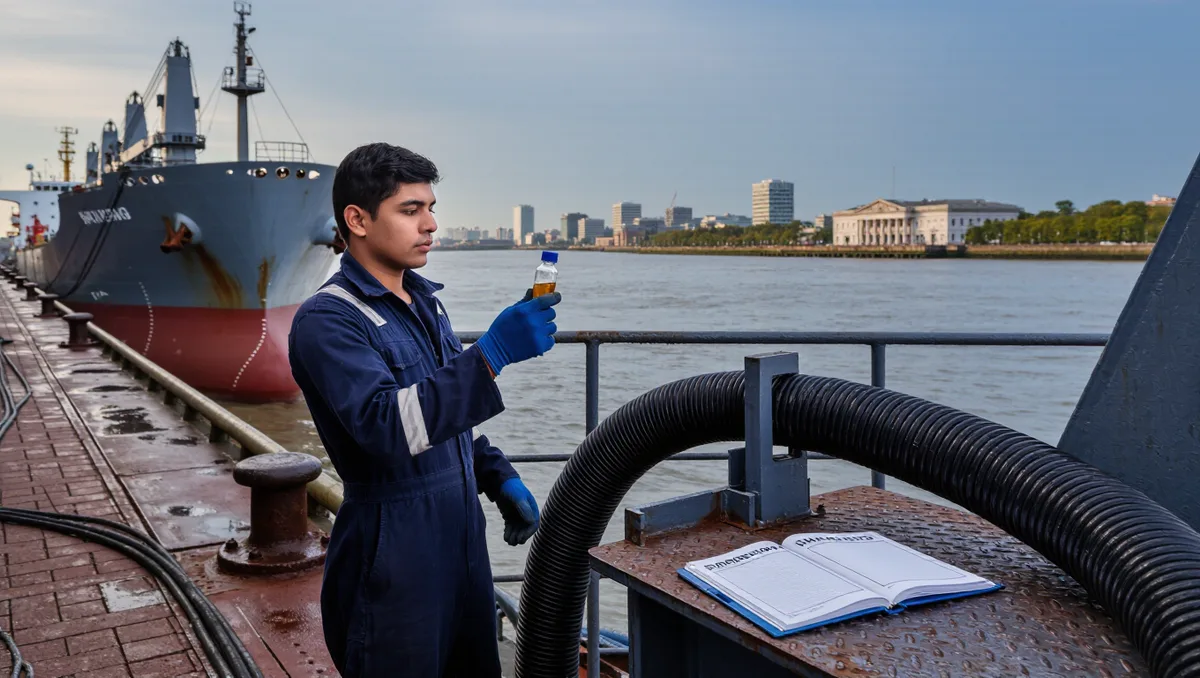
Green Shipping Rules: What Fuel Regulations Mean for Fleets
The IMO's fuel and emissions rules now steer hull design and fuel supply for the world merchant fleet. A guide to MARPOL measures, the 2023 strategy, and the Net-Zero Framework.
The IMO's fuel and emissions rules now steer hull design and fuel supply for the world merchant fleet. A guide to MARPOL measures, the 2023 strategy, and the Net-Zero Framework.

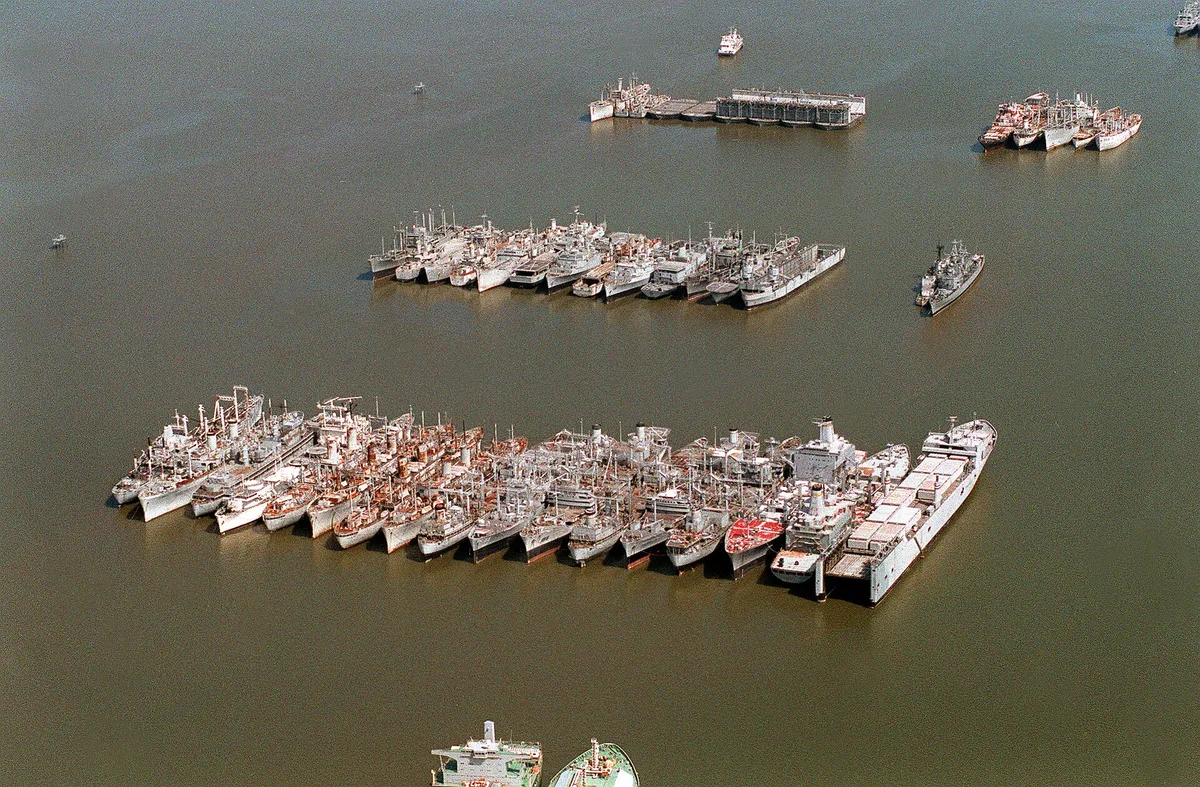
Retired ships do not always go straight to the scrapyard. Reserve fleets keep mothballed hulls preserved for years, ready to be reactivated in a crisis.
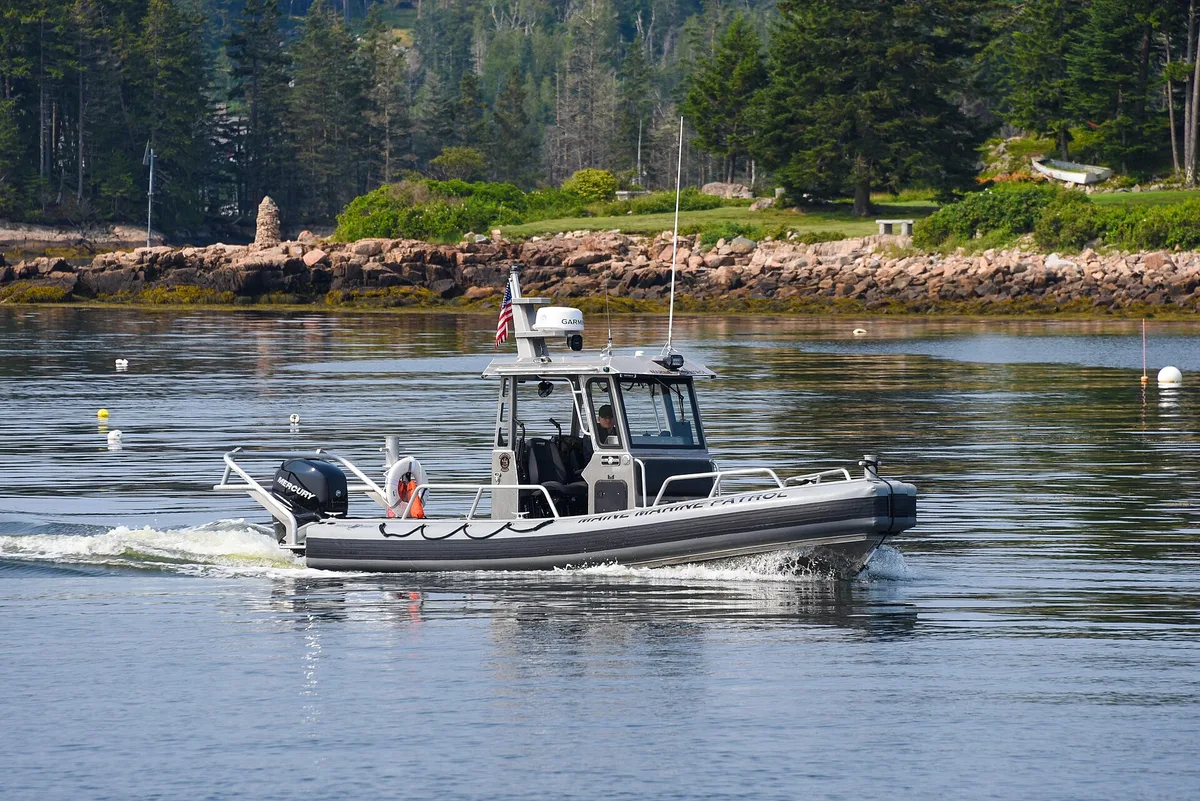
Why the humble patrol boat is the most common warship afloat: the types, the daily coast-guarding jobs, what they carry, and the small-ship comeback.

A plain-English guide to navy ranks: what the insignia on a sleeve mean, how rank sets pay and duty, and why every fleet still runs on a ladder of command.
Three routes lead to the same commission. The differences are cost, time, and when the Navy takes control of a candidate's life.
The Navy commissioned its first Flight III Arleigh Burke-class destroyer at Tampa, Florida, on October 7, 2023.
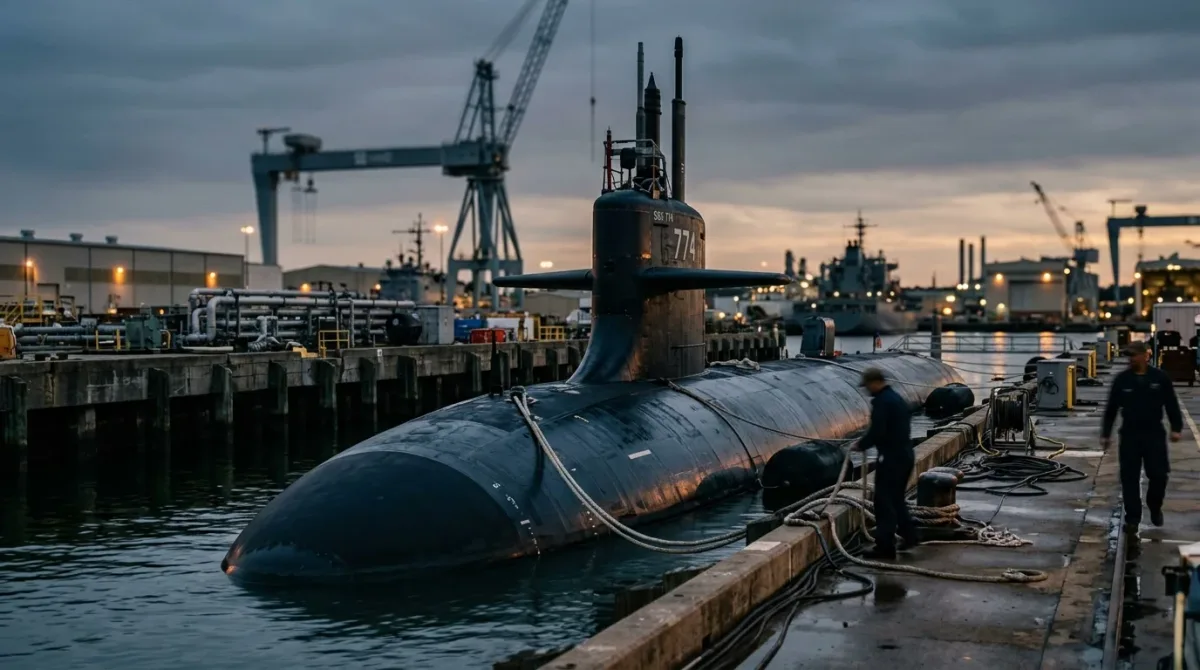
The Virginia-class is a class of nuclear-powered fast-attack submarines built for the U.
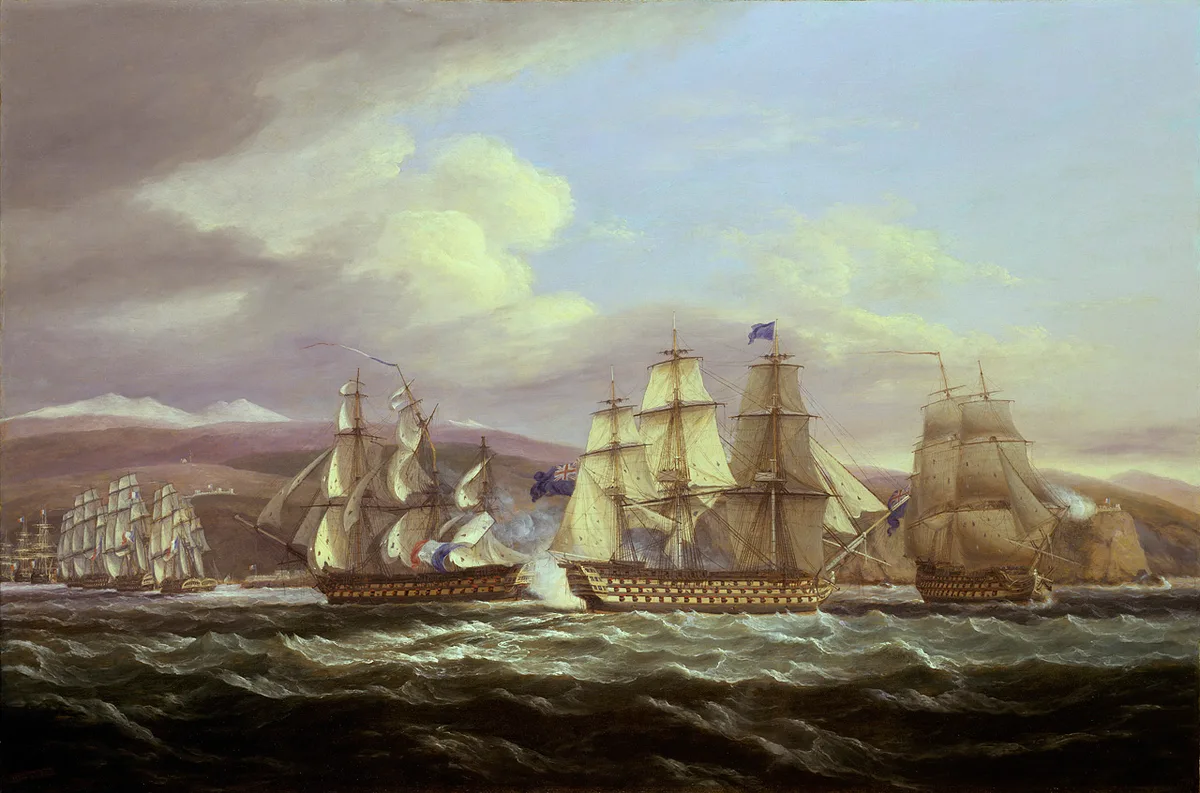
From the Royal Navy's close blockade of France to the World Wars, blockades have shaped conflicts and tested the law of neutrality. Here is how they work and when they succeed.
From interwar tonnage treaties to modern transparency accords, what naval arms control achieved, and why it faded.
What the treaty actually says about territorial waters, exclusive economic zones, and straits used by navies.
From service requests to appropriated shipbuilding dollars: the annual process, in plain English.
The Freedom of Navigation Program is a Department of Defense initiative, in place since 1979, that uses U.
The century-old cabotage law sets three conditions for domestic shipping and has become a fixture in debates over the health of the shipyards the Navy depends on.
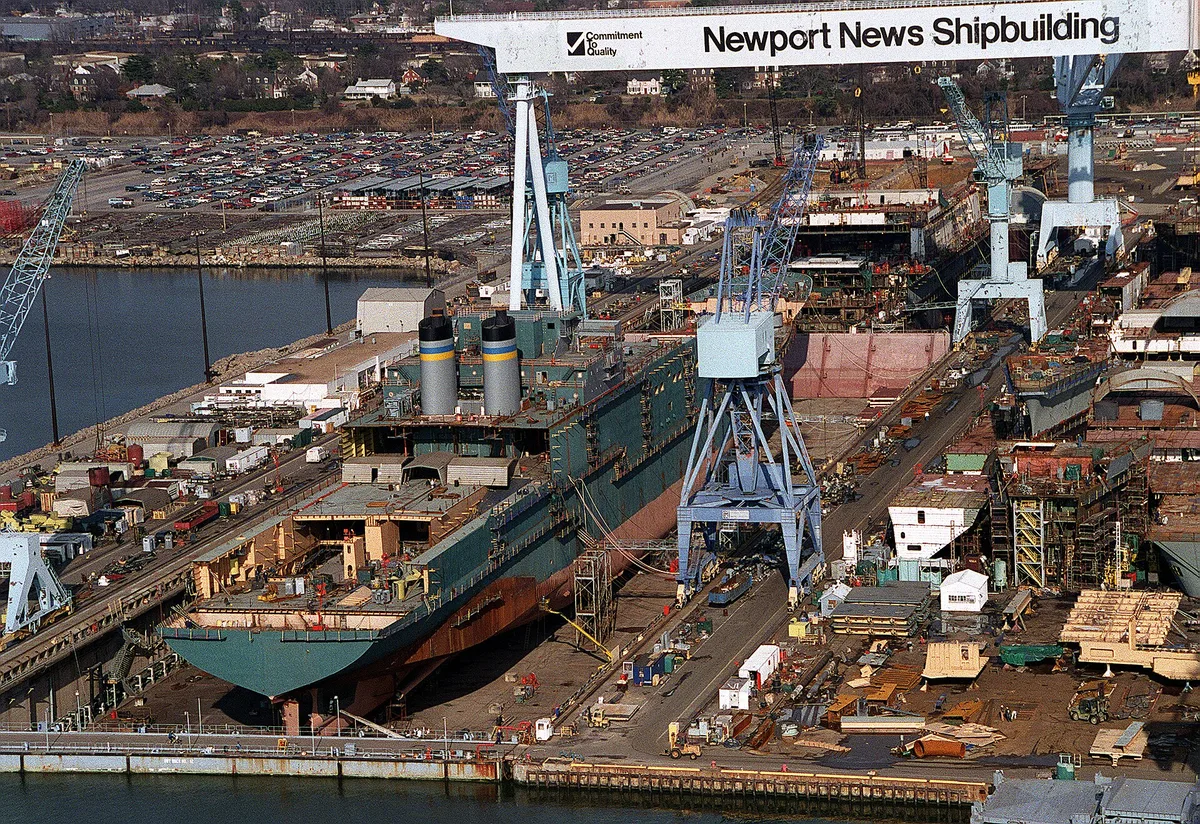
Prefab sections, common hulls and parallel work changed how a warship goes together.
The purchase price is the smallest line in a ship's ledger. Support, upgrades and disposal follow for decades.
Every seam in a steel hull carries load, seals the sea out, and is inspected before a ship ever floats.
What the work actually is, how people train into it, and where the yards are hiring.
Three types of marine cover decide which routes stay open, and which ships stay in port.
The contracts, tugs and engineering behind recovering wrecks, explained from the waterline up.
Civilian crews, commercial ships, and government sealift form the supply line that military operations depend on.
A dated guide to the waters where attacks still happen, what drives them, and the defenses crews and owners now rely on.
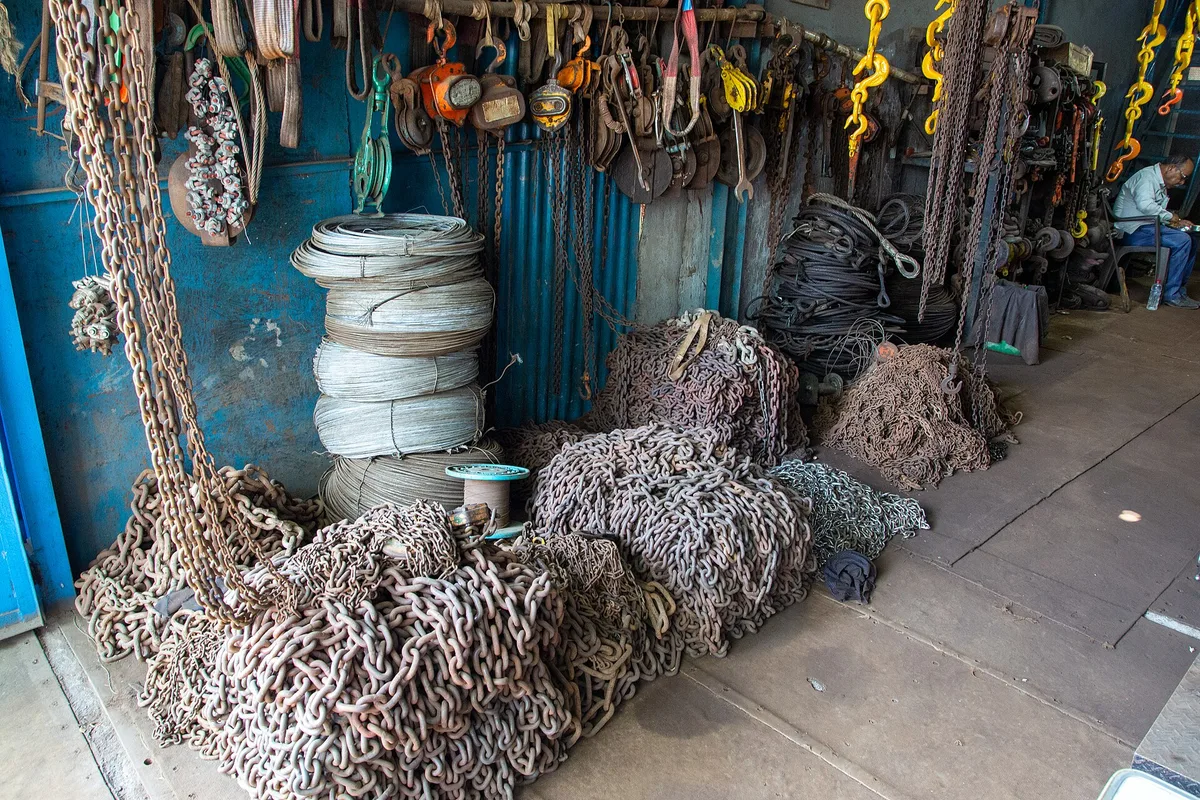
End-of-life tonnage moves through a cash market shaped by scrap steel prices, labor costs, and regulation.
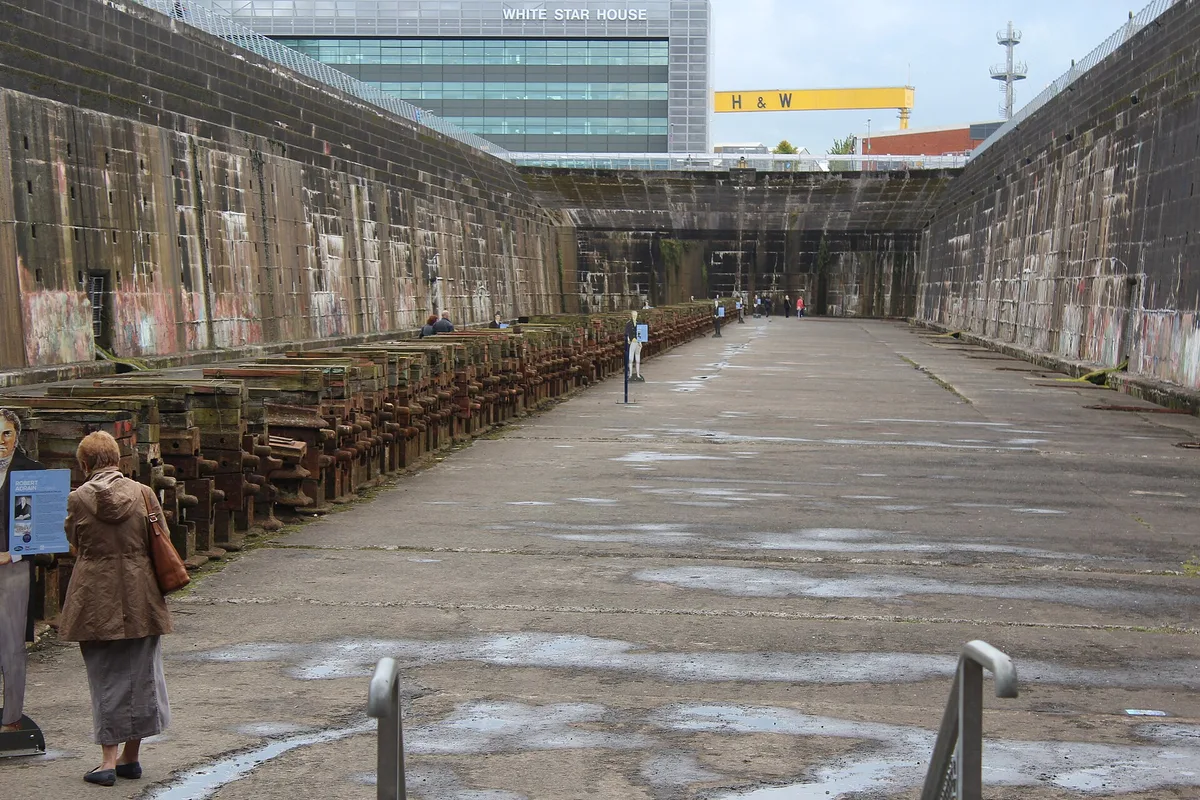
How a ship is lifted clear of the sea, what workers inspect and fix while it sits on blocks, and why the docking cycle shapes both navy budgets and shipyard order books.
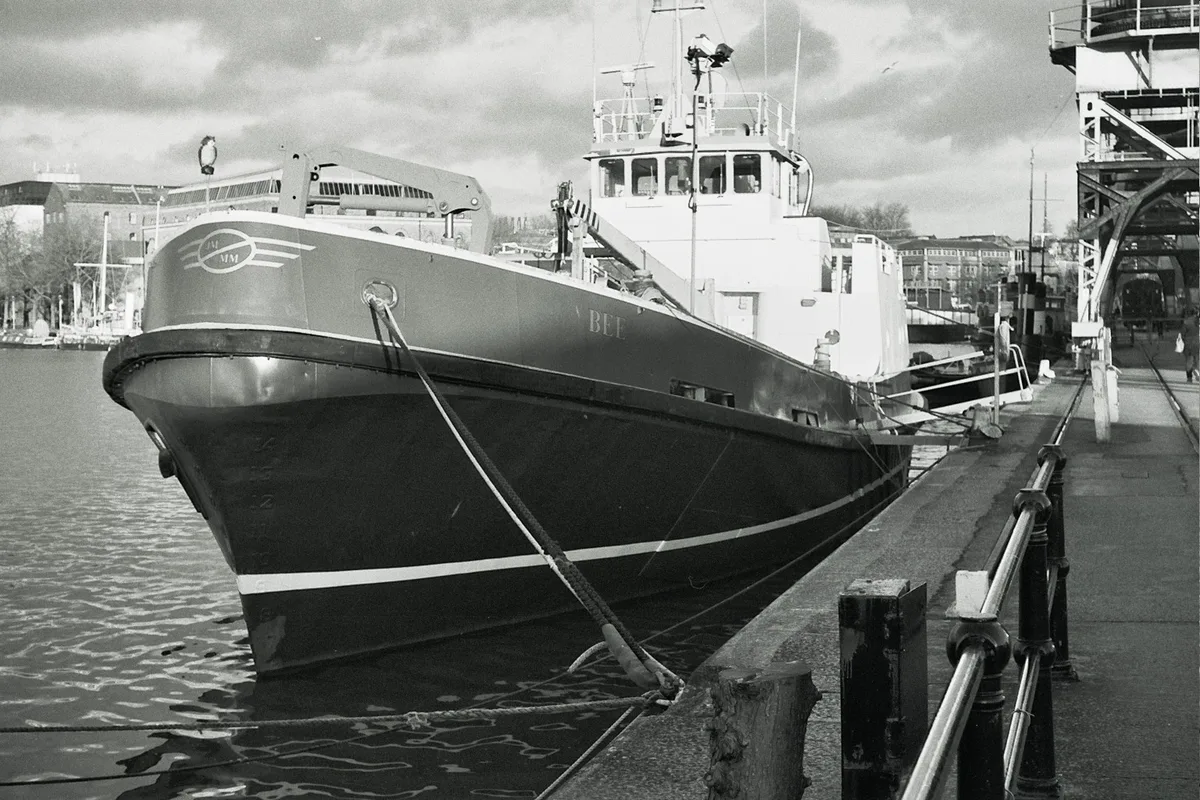
A directory-style guide to the agencies that govern safety, customs, and navigation, and how their duties divide.
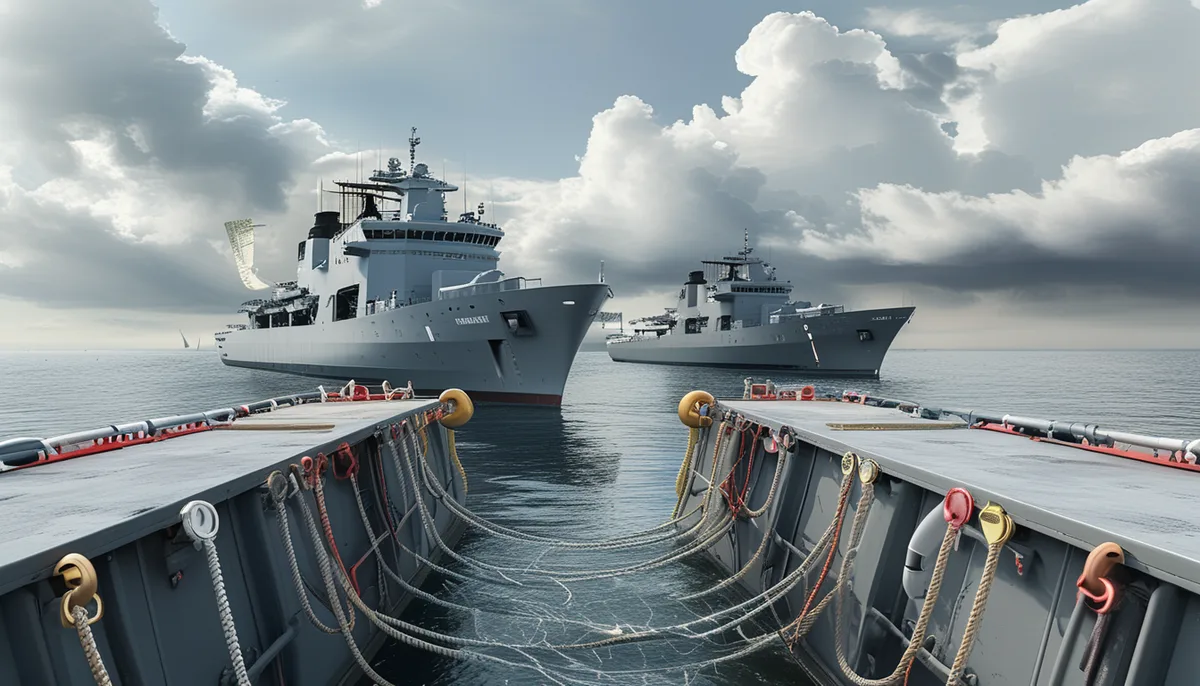
Backlog value, delivery slots, and order-to-delivery timelines say more about a shipbuilder's health than any single contract award.