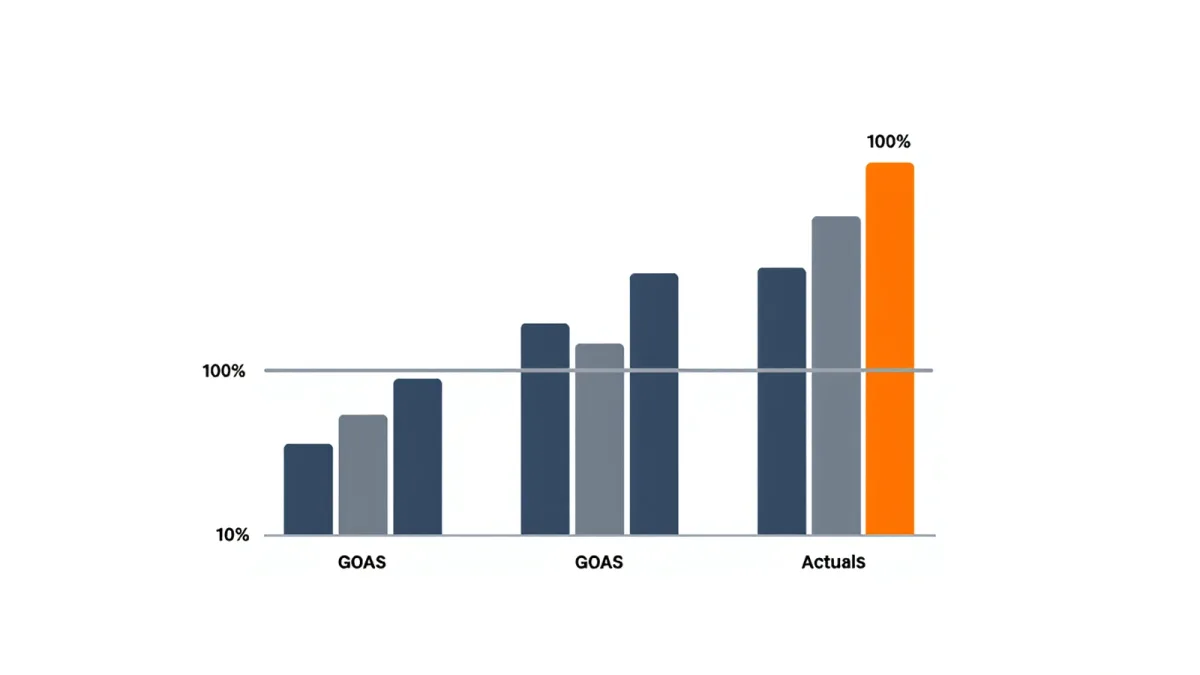
The Navy enlisted 44,096 recruits in fiscal year 2025 against a goal of 40,600, reaching about 108.6 percent of its accession target, according to the Defense Department's accounting of the fiscal year that ended September 30, 2025. The result marked the service's second consecutive year of meeting its goal and followed reporting that the Navy reached its fiscal 2025 number roughly three months before the fiscal year closed. Defense officials described fiscal 2025 as the best recruiting year across the armed forces in 15 years, with the Navy among the services exceeding its target by the widest margin.
How the numbers broke down
The active duty accession figure of 44,096 covered enlisted recruits entered into the fleet during the fiscal year, measured against the 40,600-goal the service set with Congress and the Office of the Secretary of Defense. The Navy's reserve component also finished above target: the Navy Recruiting Reserve Command brought in 5,735 sailors against an enlisted goal of 5,729, according to the Navy's announcement of the command's fiscal 2025 results, its second straight year above goal. Recruiting commands measure results by contractual entries and shipping entries, and the final fiscal accounting reconciles both counts at year's end.
Why the turnaround is significant
The result stands against the recruiting crisis of fiscal 2023, when the Navy missed its active duty enlisted goal by thousands and entered fiscal 2024 with delayed recruit training starts to manage the shortfall. The service rebuilt through expanded recruiting-command staffing, a future sailors preparation course that conditions and qualifies marginal applicants, and adjusted standards within medical and aptitude screens. By fiscal 2025 the preparation pipeline had become a standing feature, and command leadership credited it alongside marketing and enlisted recruiting force growth. The department's ability to fill the force matters directly for fleet manning, since new ships commissioning through the decade require crews before delivery schedules bend.
What drives the goal-setting
Annual accession goals are set against the Navy's end-strength authorization in the defense authorization act and the department's projected attrition. The fiscal 2026 goal, set while the fiscal 2025 result was being tallied, carries the manning requirement for a fleet adding submarines, carriers, and amphibious ships through the 2030s. Defense Department summaries noted that all services expected to exceed their fiscal 2025 goals, a sharp reversal from the shared shortfalls of fiscal 2023 that prompted service-level program changes.
What comes next
The Navy's year-end accounting for fiscal 2026, due after the fiscal year closes, will show whether the service repeated its over-goal performance. Quarterly accession counts appear in Navy Recruiting Command releases and in the department's monthly personnel reports, and the fiscal 2027 goal will be set against the end-strength levels Congress authorizes in the pending defense bills.