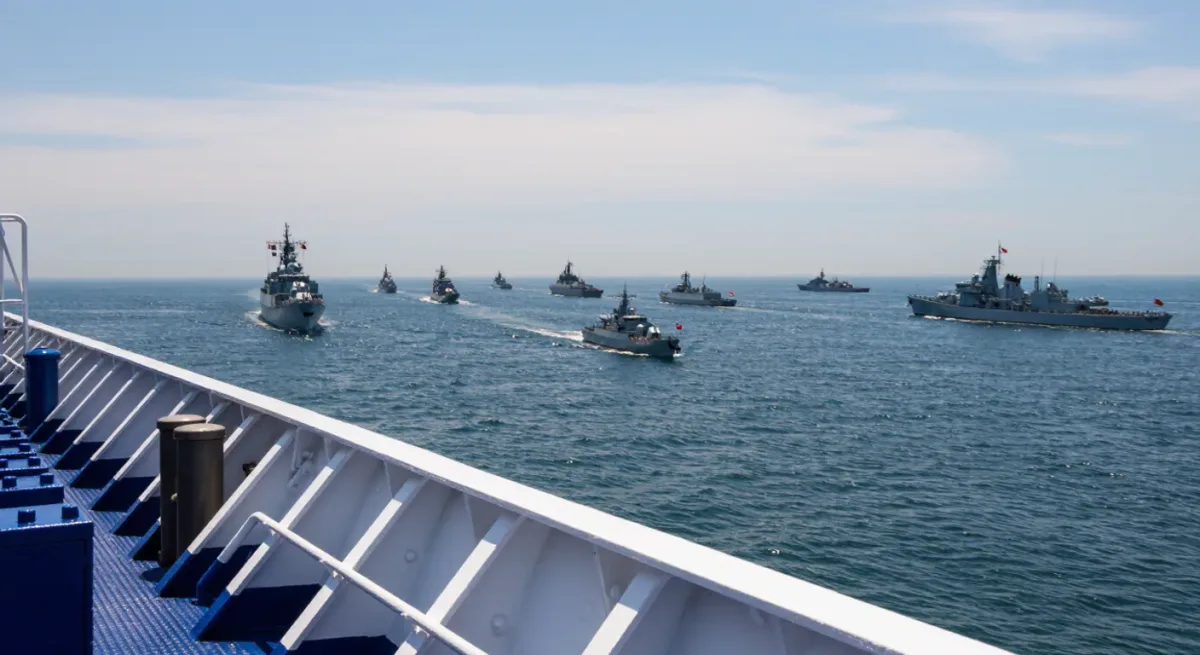
Operation Aspides, the European Union's defensive maritime security operation in the Red Sea area, continued to escort merchant shipping through 2025 after launching on February 19, 2024, under Council Decision (CFSP) 2024/583. By July 2025, commanders of the operation reported that European warships had shot down more than twenty Houthi missiles and drones and destroyed at least two explosive uncrewed surface vessels while protecting commercial traffic, per reporting published in July 2025.
What does Operation Aspides do?
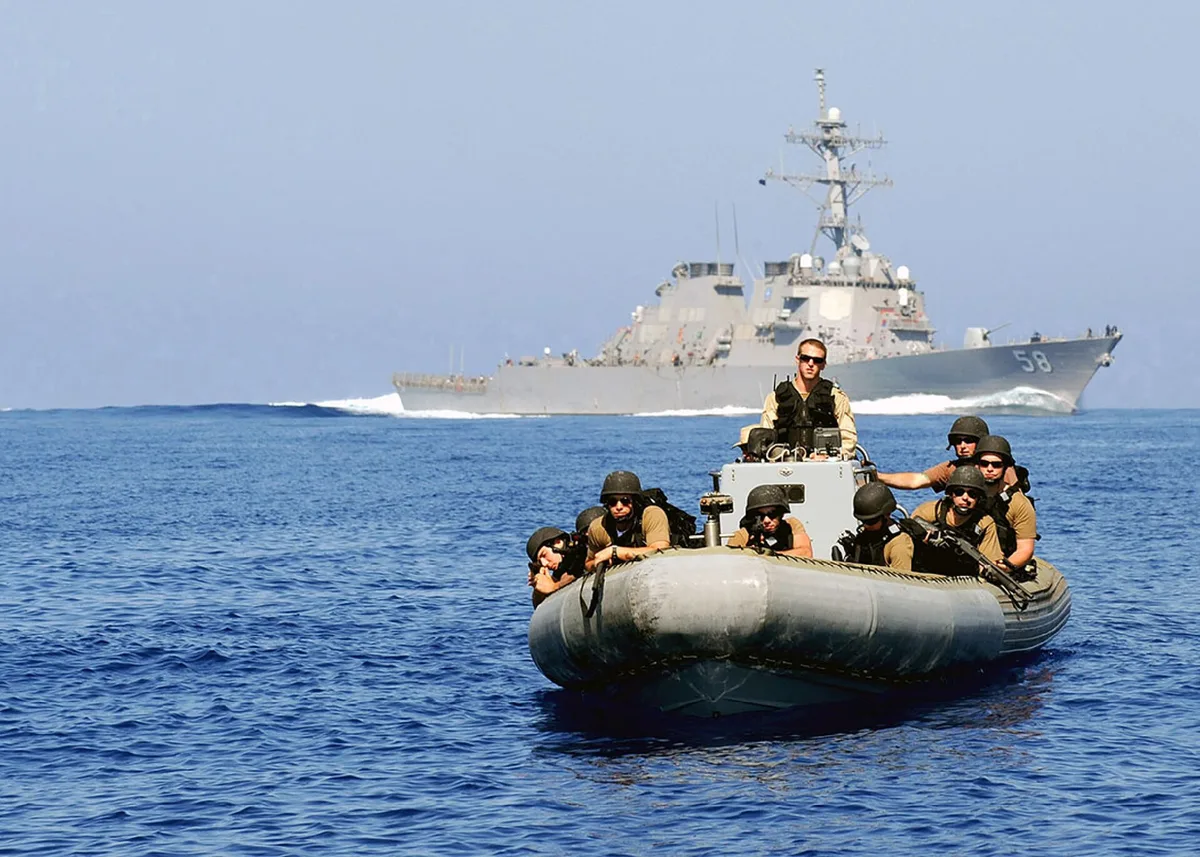
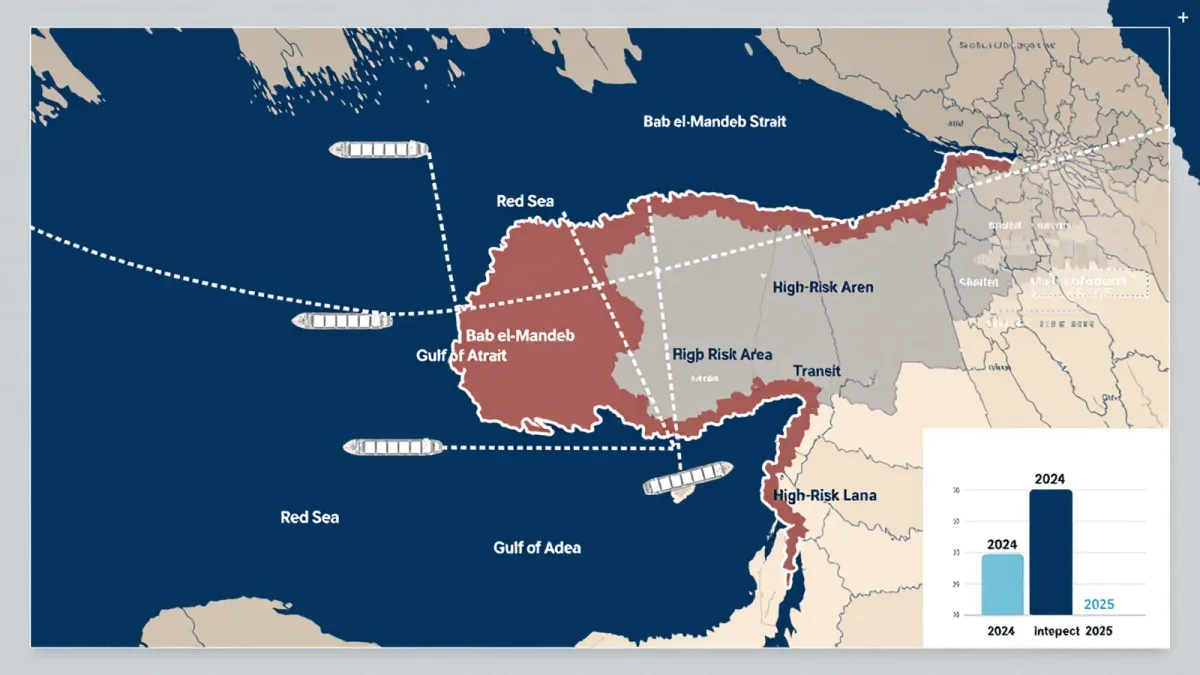
Aspides is a defensive operation under the EU Common Security and Defence Policy, established by Council Decision (CFSP) 2024/583 and launched on February 19, 2024, to protect freedom of navigation in the Red Sea, the Bab el-Mandeb Strait, and the Gulf of Aden, per the Council decision. Its principal mission is close protection of merchant vessels: frigates and destroyers contributed by EU member states, including France, Italy, Germany, and Greece, screen traffic through the high-risk area, respond to warnings, and engage inbound threats. The operation's initial one-year mandate was subsequently extended by the Council, and European ships remained on station through 2025.
What did Aspides forces actually engage?
The engagement record through mid-2025 included intercepts of one-way attack drones, ballistic and cruise missiles, and uncrewed surface craft, per reporting in July 2025 that cited more than twenty drones and missiles shot down and at least two uncrewed surface vessels destroyed. In April 2025, a French Navy frigate destroyed a Houthi drone at close range with its 76-millimeter gun while protecting shipping in the Red Sea, per footage released by the French Navy. Commanders of the operation stated publicly in July 2025 that the force remained too small to protect every merchant vessel transiting the area, a shortfall that left many owners relying on the Cape of Good Hope routing.
How does Aspides fit alongside other naval forces?
Aspides is not the only presence in the corridor. The Combined Maritime Forces, the 47-nation partnership headquartered in Bahrain, operates across roughly 3.2 million square miles of regional waters and its task forces continued counter-smuggling and maritime security patrols through 2025, per the organization's May 2025 statements. Navies outside the EU and CMF frameworks, including China, India, Japan, South Korea, and Russia, have historically provided independent escorts for merchant convoys through the Gulf of Aden, and the Maritime Security Transit Corridor continues to structure group transits of the high-risk area. The resulting picture in 2025 was layered: EU warships under Aspides providing close protection, coalition and independent escorts on convoy routes, and merchant owners making routing decisions informed by the July 2025 sinkings. The division of labor left no single commander responsible for every ship, which is why advisory bodies continued to publish transit guidance rather than guarantee protection.