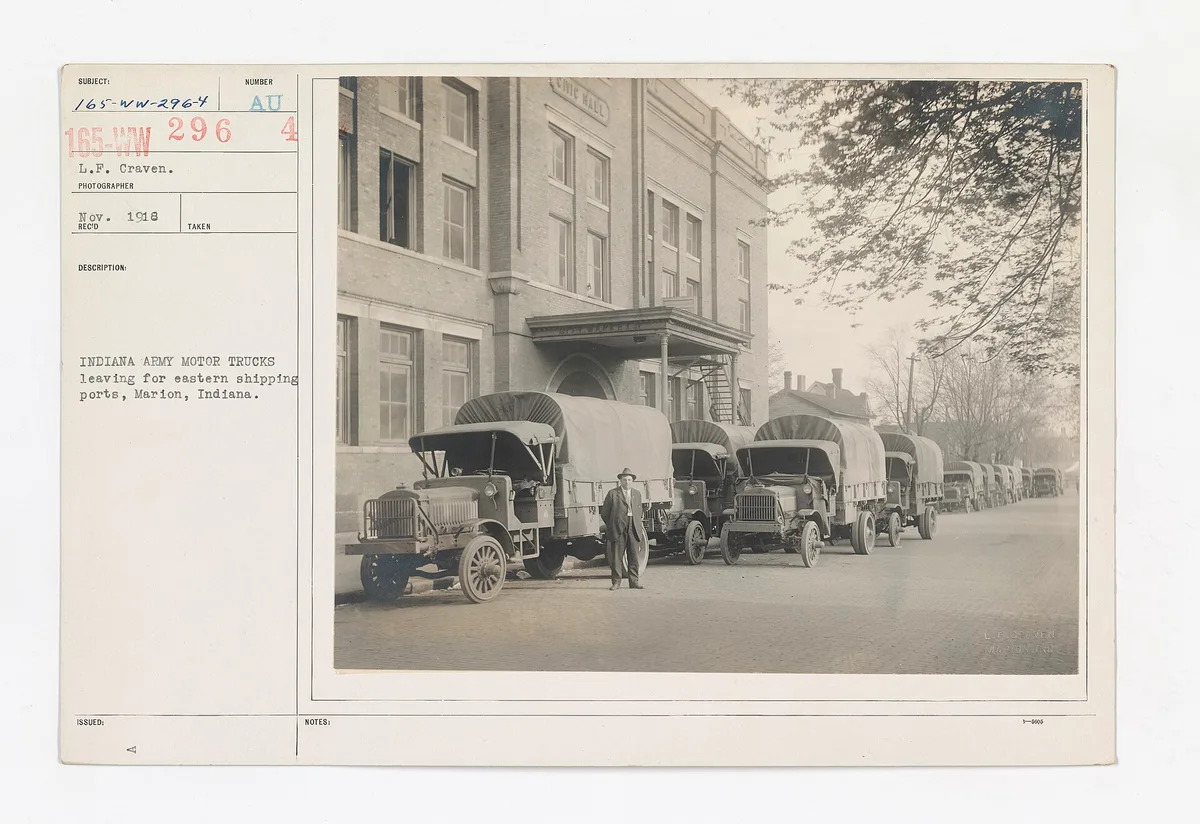
The merchant marine's role in national security is to move the cargo that military operations consume. Fuel, ammunition, vehicles, food, and spare parts travel to a theater of operations largely aboard commercial-type ships. Sailors in uniform can fight a battle, but they cannot fight one for long without civilian-crewed ships bringing supplies across an ocean.
Sealift is the term for this movement of cargo by sea. It matters because oceans are the only practical route for moving heavy military cargo in bulk. Aircraft can carry people and urgent items quickly, but a ship can carry far more, for far longer distances, at a fraction of the cost per ton. That is why planners treat merchant marine sealift as a foundation of military logistics rather than an add-on.
The word itself is older than the mission. According to the Cambridge Dictionary, a merchant is a person or business engaged in trade, especially in wholesale or import activity. The Wikipedia entry on merchants traces the term through Middle English and Anglo-Norman back to the Latin for "to trade," and notes that the phrase "merchant navy" describes a nation's civilian shipping fleet. The modern national-security version of that old trading role is a fleet of cargo ships and civilian crews that can be called on when defense needs them.
What does the merchant marine actually do?
The merchant marine is the civilian shipping workforce and fleet of a country. Its peacetime job is commerce: containers, cars, grain, oil, and gas move on schedules set by customers. Its wartime and crisis job is different. Government-chartered or government-owned cargo ships, crewed by merchant mariners, carry the equipment and supplies that a deployed force needs.
Two kinds of ships do this work. Commercial ships sailing their normal trade routes carry most peacetime cargo, and in a crisis they can be chartered to carry military cargo too. Government-owned sealift ships sit between commercial service and military use, crewed by civilians but managed under defense arrangements, ready to load military cargo on short notice.
The crews matter as much as the ships. Merchant mariners are civilians, but they hold professional licenses and stand watches like any deck or engine officer. In a sustained overseas operation, the uniformed services cannot supply their own tonnage at scale. Civilian crews are the labor force that keeps the supply line running.
Why can't the military just use its own ships?
It can, but not for everything. Navies build warships optimized for combat: sensors, weapons, armor, and speed. A warship's cargo capacity is small, because every ton of cargo space competes with weapons and fuel for the ship's own use. Building enough government ships to move an entire army's equipment would cost more than most legislatures will fund, and those ships would sit idle most of the time.
The practical answer is a mixed fleet. The government owns a core of sealift ships sized for the first surge of a crisis. Commercial shipping, chartered as needed, carries the follow-on flow. This division keeps peacetime costs down while preserving a guaranteed minimum capacity. The trade-off is that commercial ships and crews are only committed when activated, so their availability depends on charters, contracts, and crewing levels maintained in advance.
How does a merchant ship get from peacetime trade to military mission?
The path follows a documented sequence, and the details vary by country. In general terms:
- In peacetime, commercial ships trade freely, and government sealift ships carry peacetime cargo or sit in reduced operating status.
- When a crisis begins, the government activates charters or contracts, and ships are assigned to defense movement control.
- Ships are loaded at commercial or military ports, often with military loading teams supervising how vehicles and containers are stowed.
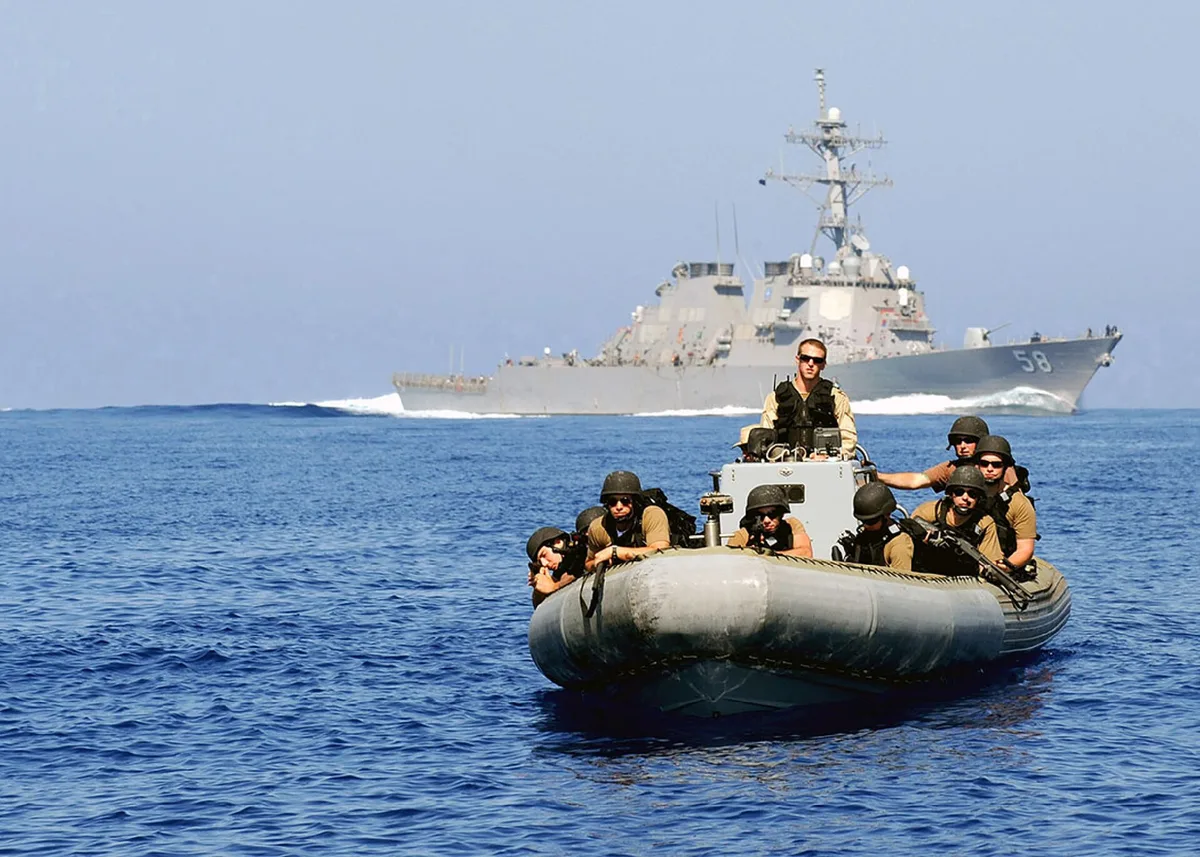
- Civilian crews sail the ships to the theater, typically under naval escort when the route faces threats such as mines or attack.
- On arrival, cargo is discharged and handed to military logistics units, and the ships return for another load or resume commercial service.
Every step depends on people who are not in uniform: terminal workers, chartering clerks, and above all the licensed mariners who sail the ships. That dependence is why crew availability is treated as a national-security issue in its own right.
What are the risks to a sealift supply line?
Sealift is slow and visible. Ships follow predictable routes between fixed ports, which makes them exposed to the same threats commercial shipping already faces. Recent coverage on this site has tracked those threats closely, including Operation Aspides, the EU's Red Sea escort mission, and the Houthi attacks that sank two bulk carriers in the southern Red Sea in July 2025. Those events involved commercial ships, and they illustrate the environment a military sealift line would have to cross. Readers following this should also see Houthi Attacks Sank Two Bulk Carriers in the Southern Red Sea in July 2025.
Mines, missiles, drones, and piracy all shape how sealift is planned. Escort by warships, rerouting, and hardened defenses are the standard responses. The broader pattern of risk to commercial shipping is covered in Piracy Today: Where the Risk Sits and How Shipping Responds.
What this means for policy
Our analysis of the public record points to a simple chain of dependence. A deployment depends on cargo. The cargo depends on ships. The ships depend on civilian crews. If any link thins, through an aging fleet, a shrinking licensed workforce, or fewer commercial ships under national flag, the sealift capacity behind military plans thins with it. This is why legislatures and defense ministries argue over sealift budgets, crew incentive programs, and shipbuilding lines in the same breath as combat ships. The programs are separate, but the capability is one.
The policy debate also connects to the wider fleet picture. Naval Pages tracks shipbuilding programs in detail, including the Navy's FY2026 budget decisions on unmanned surface vessels, and readers can follow the full shipbuilding and policy sections for how these programs develop. Sealift rarely makes headlines the way a new warship does, but it sits upstream of every deployment those headlines describe.
The takeaway
The merchant marine is the civilian half of military logistics. Commercial ships and government sealift vessels, crewed by licensed mariners, carry the tonnage that makes an overseas operation possible. The evidence for the role is structural rather than statistical: no modern military has moved a large deployed force across an ocean without it. What remains uncertain in any given year is the state of the fleet and the workforce behind it, and that is where readers should watch budgets, crewing rules, and shipbuilding decisions for the real signal.