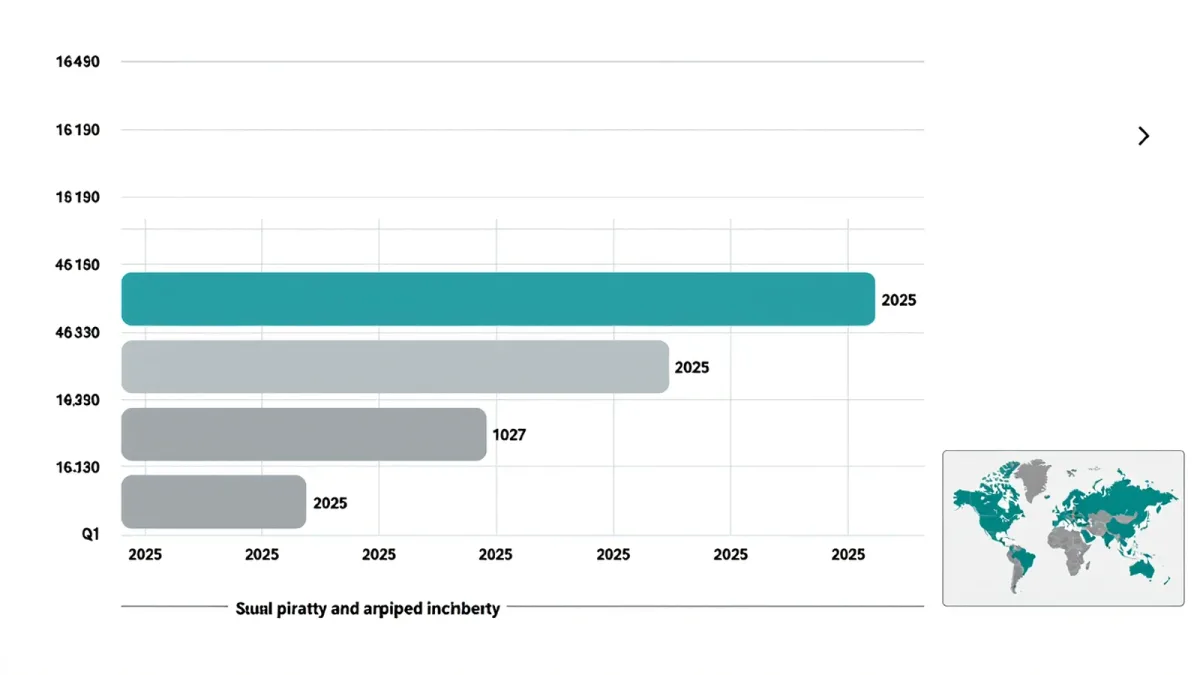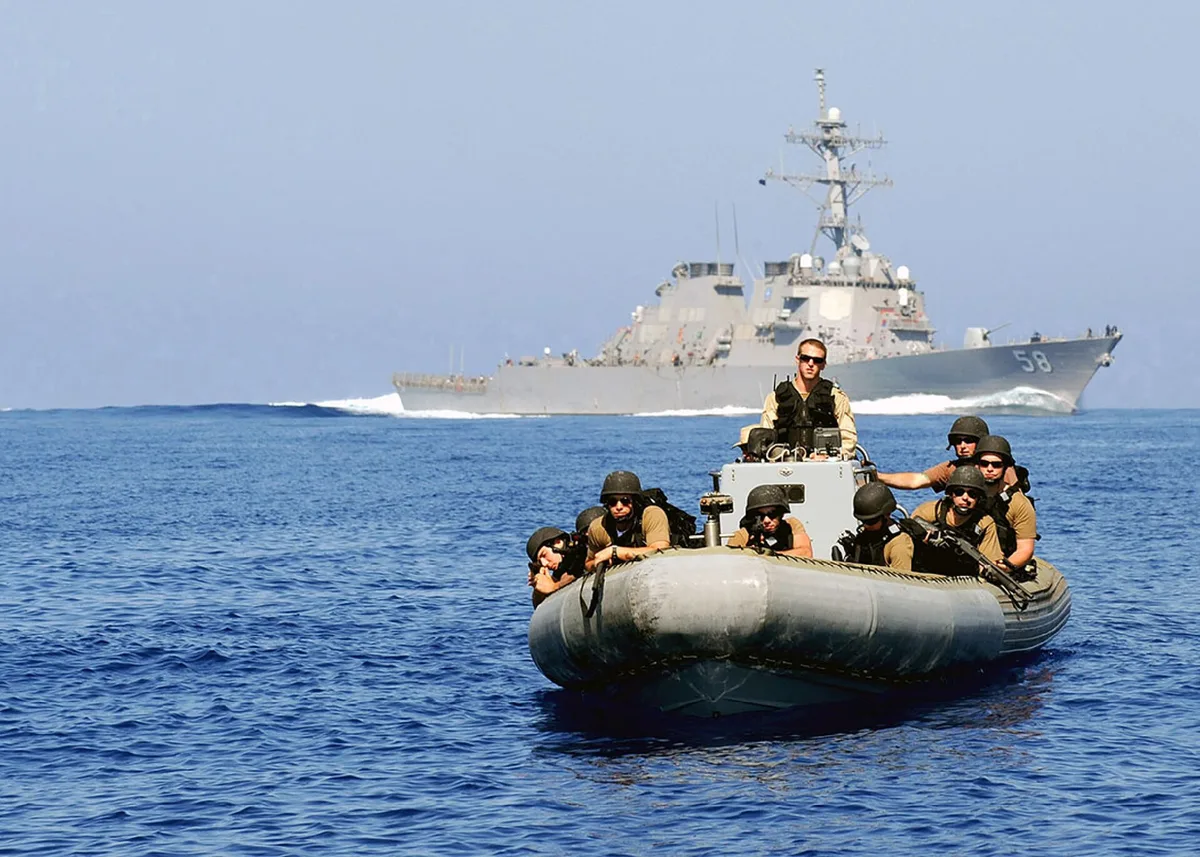
Maritime piracy remains a live commercial threat in the 2020s, concentrated in a handful of waters: the Somali coast and the Gulf of Aden, the Strait of Malacca and the Singapore Strait, and the waters between the Red Sea and the Indian Ocean. According to Wikipedia's piracy entry, estimated worldwide losses from seaborne piracy reached US$25 billion in 2023, up from US$16 billion in 2004.
The risk matters to more than shipowners. When a transit becomes dangerous, insurers price it, crews are briefed, and cargo schedules slip. A decision made in a regional hotspot reaches a household through the price of goods on a store shelf. This guide sets out where attacks happen, why those waters attract them, and what the shipping industry does in response, with the state of knowledge noted as of the sources cited. Readers following this should also see Operation Aspides: How the EU's Red Sea Escort Mission Reached Mid-2025.
What counts as piracy under the law?
Piracy is an act of robbery or criminal violence carried out by ship- or boat-borne attackers against another vessel or a coastal area, usually to steal cargo or take hostages. According to Encyclopaedia Britannica, piracy under international law is a violent act committed for private ends, without authorization from any state, and outside the normal jurisdiction of any single country. That last point matters in practice: attacks in international waters are hard to prosecute, because no one state clearly owns the case.
Two exclusions are worth noting. Theft committed by a crew member on their own vessel is not piracy. Privateering is not piracy either, because a privateer holds a government commission. Britannica notes that public vessels of any state have long been permitted to seize a pirate ship, bring it to port, try the crew regardless of nationality, and punish those found guilty.
Which waters carry the highest piracy risk?
The same geographic pattern repeats across centuries. Narrow channels that funnel shipping into predictable routes create opportunity for attackers. Wikipedia's entry lists historic examples that still read as a modern risk map: the Strait of Malacca, the Gulf of Aden, the waters off the Somali coast, and the Strait of Malacca and Singapore approaches. Modern pirates in these waters are often armed with automatic firearms and sometimes explosive weapons.
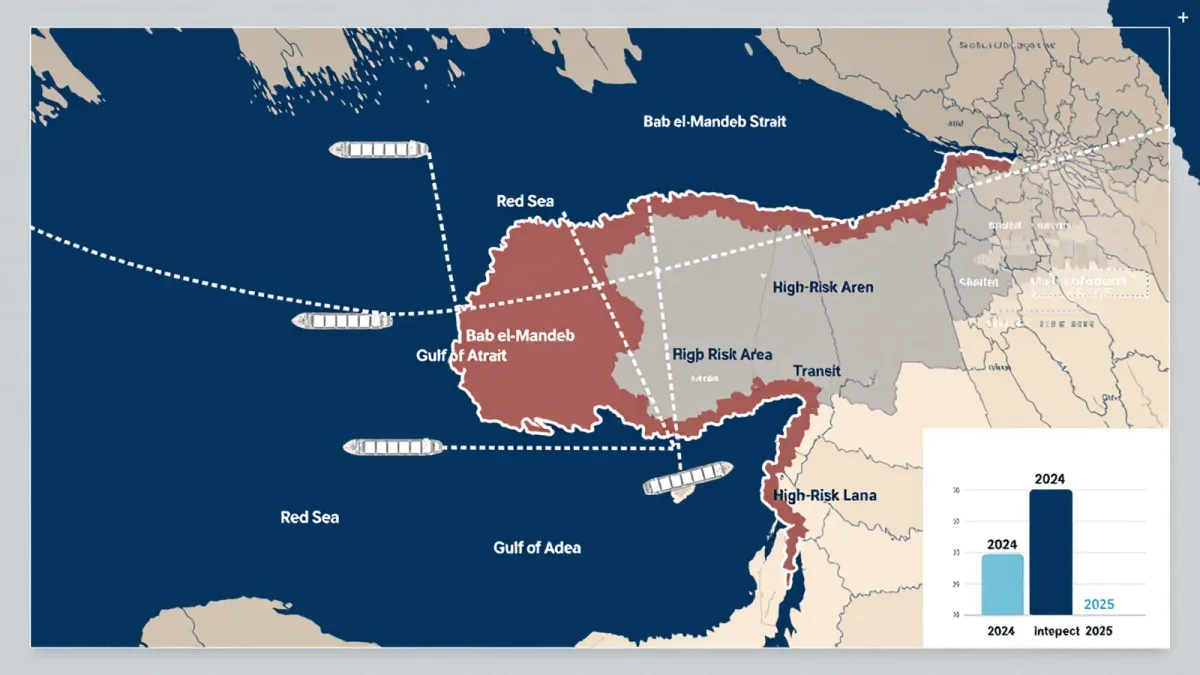
Off Somalia, the pattern has persisted in a changed form. As Naval Pages reported on the 2025 incident record, dhow hijackings kept Somali piracy active through 2025 as global incidents rose, even after the large-scale hostage seizures of earlier years faded. The Red Sea has also seen a distinct threat: attacks on commercial shipping there have included state-linked armed action rather than classic piracy, which is why the two are tracked separately. In the Strait of Malacca and Southeast Asian waters, Britannica records that piracy re-emerged in the late 20th century, often tied to criminal organizations involved in smuggling, and sometimes operating with the protection of officials in small ports who shared in the profits. We covered a connected angle in Dhow Hijackings Kept Somali Piracy Active Through 2025 as Global Incidents Rose.
Why do attacks still succeed?
The core vulnerability is crew size. Wikipedia notes that attackers using small motorboats exploit the limited crews of modern cargo and transport vessels. A large container ship or bulk carrier may cross an ocean with a watch team of a few people, low freeboard amidships, and a slow turn. A skiff that closes fast can reach the hull before a merchant crew can react.
Jurisdiction is the second half of the problem. Attacks often occur in international waters, where the pursuit, arrest, and trial of suspects require cooperation among navies and legal systems. Britannica's account of the 2008-09 surge off Somalia notes that it led to forcible intervention by warships of several navies, and that the events pushed news media and governments to revisit the jurisdiction problems that had also shaped anti-piracy efforts in the 18th century.
How does the shipping industry respond?
Industry countermeasures fall into three broad groups, each documented in the sourced record.
- Physical defense aboard the ship. Wikipedia describes private vessels using armed security guards, high-pressure water cannons, and sound cannons to repel boarders. Armed teams remain one of the most direct deterrents on the highest-risk routes.
- Detection and avoidance. The same source notes the use of radar to spot potential threats early. Early detection gives a crew time to change course, raise speed, and alert authorities before a skiff closes the distance.
- Naval presence and escorts. Nations have used naval forces to repel and pursue pirates, per Wikipedia's account. Regional escort operations continue in other threat environments; Naval Pages has followed the European Union's Operation Aspides escort mission in the Red Sea as a current example of how navies shield commercial traffic.
What this means for crews and owners
For a ship operator, the practical sequence is straightforward. Assess the route against current regional risk. Harden the ship where the assessment warrants it, through barriers, lighting, and detection. Decide on contracted security based on the water being crossed. Report every incident and near-miss, because the shared incident record is what keeps the risk map current for the next transit.
For readers following the wider picture, the piracy story sits inside a larger maritime-security agenda that also covers cable sabotage, drone threats, and contested straits. Naval Pages maintains a running Maritime News section for dated, attributed coverage of these incidents, and a broader naval section for the fleet and policy context behind them.
Where the picture is still uncertain
The evidence establishes the geography, the drivers, and the standard countermeasures. It does not establish a precise current attack count for every region, and loss estimates such as the US$25 billion figure are modeled estimates attributed to their compilers, not audited totals. Regional risk shifts with local politics, enforcement effort, and monsoon seasons, so any transit decision should rest on the latest incident reporting for the specific route, not on a general guide. What the record supports is this: piracy persists where chokepoints concentrate traffic and enforcement is thin, and it recedes where armed defense, early detection, and naval presence combine.