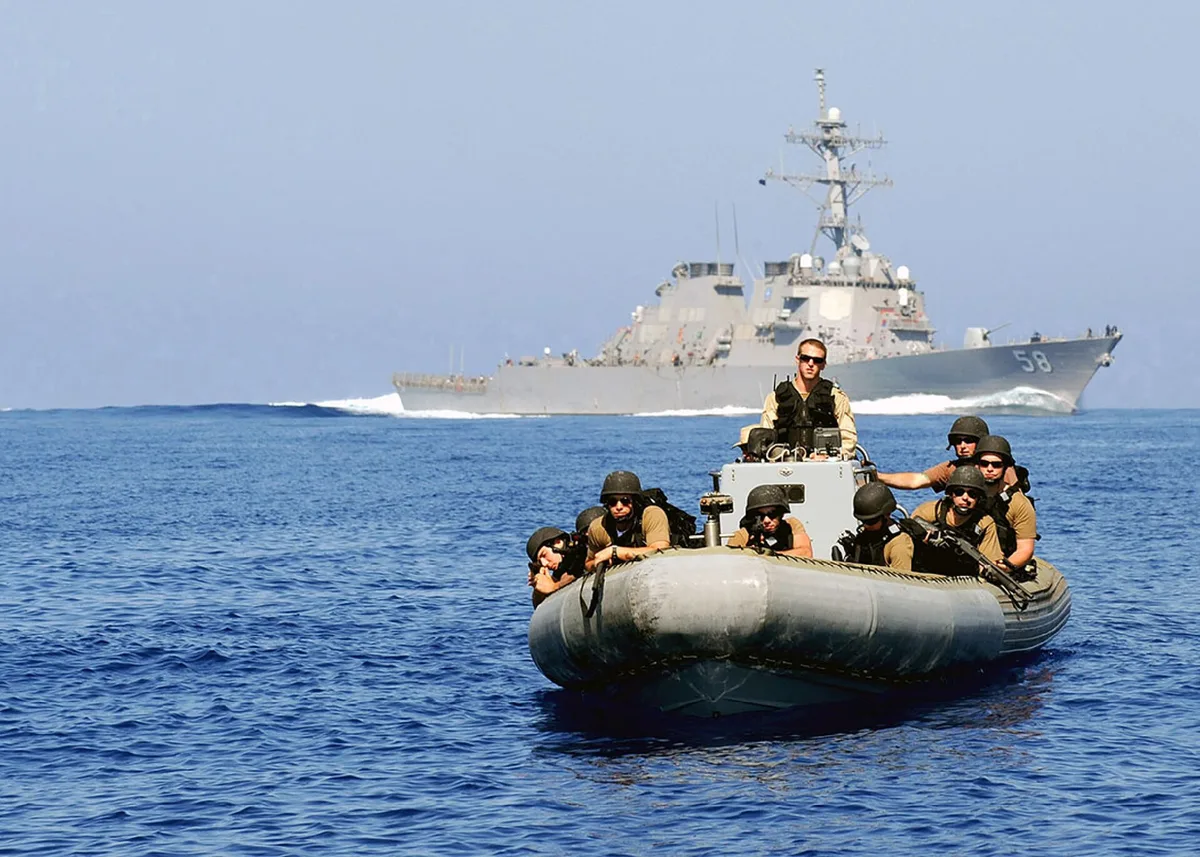
The guided-missile cruiser USS Gettysburg (CG-64), a Ticonderoga-class cruiser, mistakenly shot down an F/A-18F Super Hornet from the USS Harry S. Truman Carrier Strike Group over the Red Sea on December 21, 2024, and the Navy released the findings of its investigation in December 2025, per Navy statements on the strike group investigations. Both crew members ejected safely; one sustained minor injuries.
What happened on December 21, 2024?
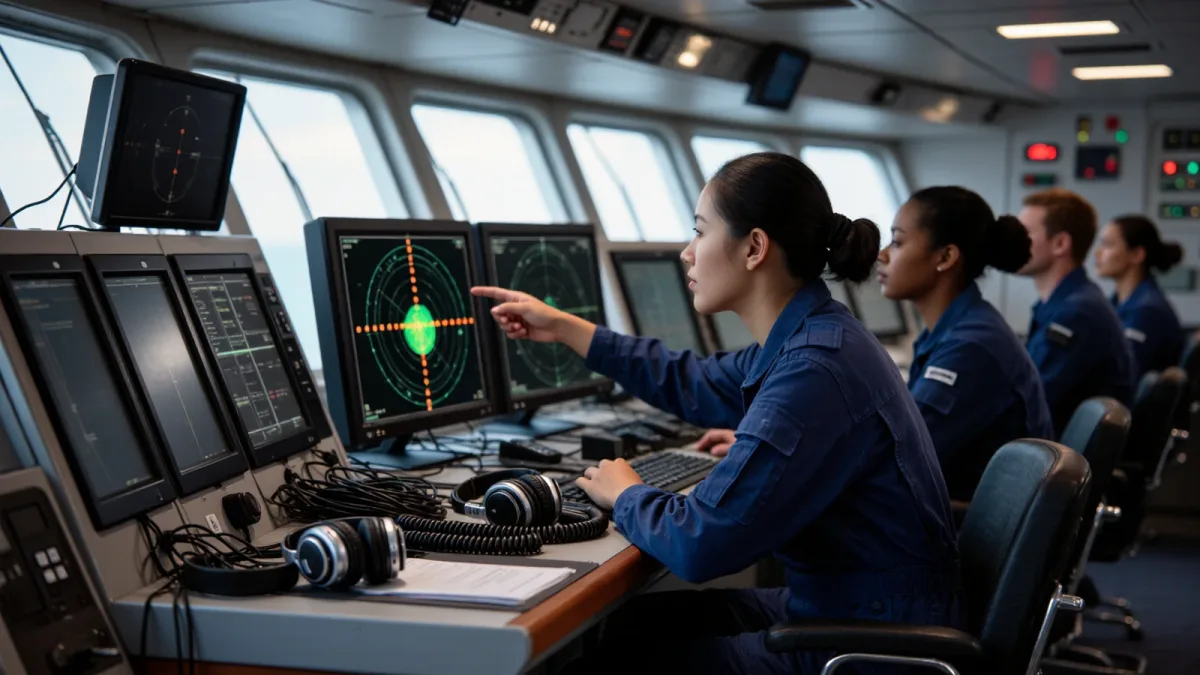
The Super Hornet was operating over the Red Sea in support of strike group air defense when Gettysburg, screening the Truman, engaged and shot it down during an active Houthi attack period, per Navy accounts. The two-seat F/A-18F crew ejected and was recovered; one aviator suffered minor injuries. Navy accounts of the released investigation describe the engagement as unfolding in roughly five minutes of compressed, high-tempo air defense action, with the aircraft misidentified as a threat during a period of repeated drone and missile attacks on the strike group. A second Super Hornet operating nearby was nearly engaged as well, per reporting on the released findings.
What did the Navy conclude and change?
The Navy released the Truman strike group investigation findings in December 2025, per the Navy's press release, concluding a review that examined identification procedures, airspace coordination, and rules of engagement during combat operations in the Red Sea. The incident occurred during one of the most intense air defense campaigns in the Navy's recent history, in which surface ships expended interceptors at rates not seen in decades. The findings fed ongoing work on identification friend-or-foe procedures and airspace deconfliction among ships and aircraft defending merchant traffic, per the released Navy statements.
Why does interceptor tempo make identification harder?
The Red Sea campaign imposed a tempo of engagements without recent precedent: by January 2025, reporting put Navy expenditures at more than 200 missiles against nearly 400 Houthi drones and missiles since October 2023, per that reporting. Crews stood air defense watches for months at a time against contacts that could be commercial aircraft, friendly aircraft, harmless drones, or attacking munitions, and engagement windows were measured in seconds. The December 21, 2024 shootdown occurred inside exactly such a window, per the released findings, when a cruiser watch misread the identity of strike group aircraft during an attack period. The December 2025 release of the investigation therefore carried significance beyond accountability: it documented, in unusual detail, how identification and deconfliction procedures performed under sustained combat conditions, per the Navy's release.