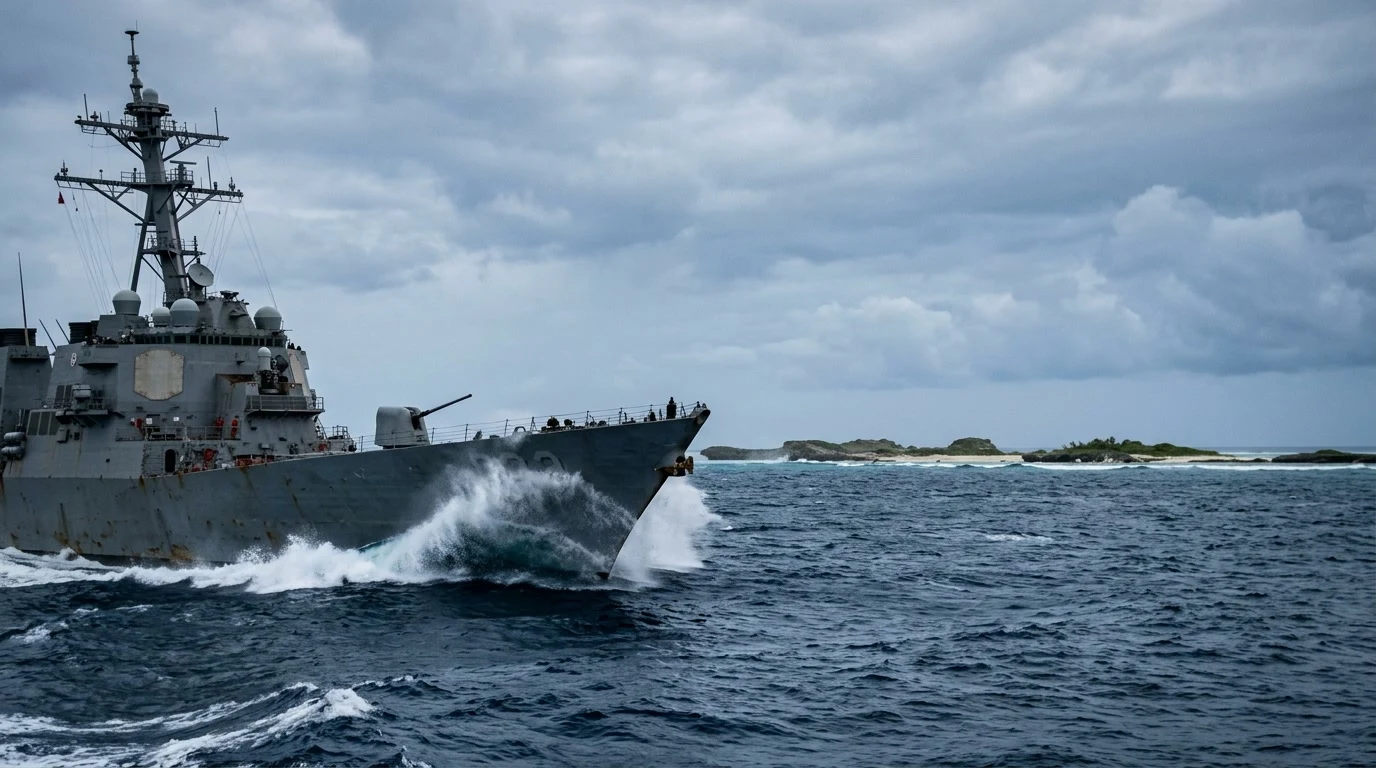
The U.S. Navy investigates a collision by opening parallel investigations within days of the event: an administrative investigation conducted under the Judge Advocate General's Manual (JAGMAN), a safety investigation to capture causes without blame assignment, and, when foreign vessels or deaths are involved, inquiries by the Coast Guard and the National Transportation Safety Board. The two 2017 Pacific Fleet collisions, USS Fitzgerald (DDG-62), a Flight I Arleigh Burke-class destroyer, with the merchant vessel ACX Crystal on June 17, 2017, and USS John S. McCain (DDG-56), also an Arleigh Burke-class destroyer, with the merchant vessel Alnic MC on August 21, 2017, demonstrated the machinery in public detail, with reports and congressional testimony released through late 2017 and 2018.
This primer describes process and published precedent; naval-pages.com publishes information, not legal advice.
What investigations open after a collision?
The first hours determine which authorities engage. A collision in navigable waters is a marine casualty, which triggers Coast Guard jurisdiction and, under treaty and statute, coordination with the flag state of the other vessel. The Navy's own tracks then open in parallel.
- JAGMAN administrative investigation: convened by the appropriate commander, it establishes facts for administrative action and litigation support; the governing instruction is the Manual of the Judge Advocate General, issued as Secretary of the Navy instruction.
- Safety investigation: conducted under the Navy Safety and Occupational Health Program, it is protected from public release and exists to capture unsafe conditions quickly; testimony taken in it cannot be used in disciplinary proceedings.
- Coast Guard marine casualty investigation: leads when a foreign commercial vessel is involved or U.S. waters are affected, with authority over the merchant ship's side of the event.
- NTSB investigation: the board investigates major marine casualties independently, and it issued reports on both 2017 destroyer collisions in 2018.
In cases of exceptional severity the Chief of Naval Operations can direct a broader body above the local investigation. After the 2017 collisions, Admiral Philip Davidson led a Strategic Readiness Review ordered by the Chief of Naval Operations in August 2017, examining fleet-wide readiness rather than a single hull.
What does the JAGMAN investigation actually do?
A JAGMAN investigation is a formal fact-finding proceeding conducted by a designated officer or board, usually with legal counsel advising, that collects testimony, documents, and physical evidence such as voyage data recorder downloads, radar plots, and damage photographs. The investigating body then reaches findings of fact, opinions on causation, and recommendations. Its product is an administrative record: it informs command decisions on discipline, letters of caution, fitness reports, claims under the Federal Tort Claims framework, and any proceedings before foreign authorities. The instruction prescribes timelines, typically requiring the report within weeks, an appointing authority's endorsement, and a review chain. Public release is selective; in the 2017 cases, the Navy released redacted investigation summaries in press conferences by the Chief of Naval Operations in November 2017 and later published more complete redacted reports after media litigation under the Freedom of Information Act.
How does the safety investigation differ from the administrative one?
The separation is deliberate. The safety track, built on the Navy Safety and Occupational Health Program and hazard reporting structures, protects witness statements from use against the speakers so that crews describe errors candidly. Investigators from the Naval Safety Command examine human factors, training records, fatigue, and equipment state, and their findings flow into corrective programs rather than into punishment. The administrative track, by contrast, is designed to support decisions about people and money, so it uses ordinary evidence standards and can be released. The two teams interview many of the same witnesses but keep their products apart, and defense counsel in disciplinary cases see the administrative file, not the safety one. Commentary on the 2017 cases, including the released Strategic Readiness Review, noted that this division, while protective, shaped how much of the causal story reached the public.
What role did the Coast Guard and NTSB play in 2017?
Both 2017 collisions involved commercial vessels, ACX Crystal under Philippine-linked commercial operation and Alnic MC registered in Liberia, so the marine casualty side ran through international and U.S. maritime processes. The NTSB, which has authority over major marine casualties in U.S. waters and involving U.S. vessels, published its Marine Accident Reports: the Fitzgerald report in 2018 found that the destroyer's bridge and combat information center teams failed to see the merchant ship in time, and the John S. McCain report, also 2018, traced the collision to a loss of steering control after a console transfer coupled with insufficient seamanship and training. The NTSB's findings, drawn from voyage data recorders and simulations, are public in full and became reference points for the Navy's own remediation, including restored bridge training standards announced through 2018.
What typically comes out of a collision investigation?
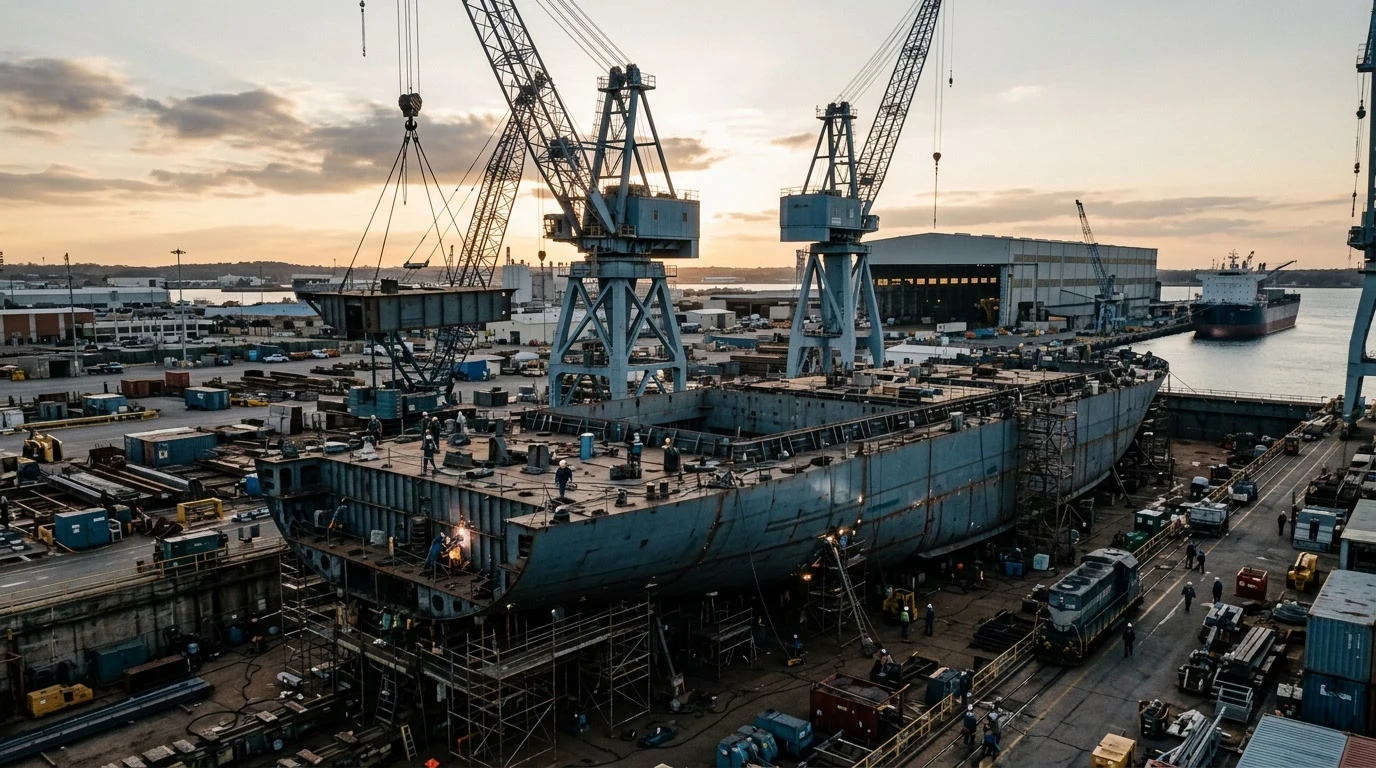
Outcomes follow the evidence across four channels. Administratively, findings support actions against individuals, from non-punitive letters through relief for cause, decided by the chain of command rather than the investigators themselves. Operationally, recommendations produce fleet-wide directives, and the 2017 cases produced restored qualifications standards, changes to surface warfare training pipelines, and the reestablishment of instruction on basic seamanship across the surface fleet. Materially, findings drive class-wide fixes; both 2017 destroyers required hull repair at major shipyards, with John S. McCain receiving a rebuilt bow section before returning to service. Claims-wise, the record supports settlement of maritime claims with the commercial parties under applicable admiralty law. The investigative bodies themselves do not impose penalties; they produce the record on which others act.
How much of the record becomes public?
It varies with the severity and with demand. JAGMAN reports are not routinely published, but high-profile cases have been released in redacted form: the November 2017 summary briefings by the Chief of Naval Operations, followed in 2018 by release of redacted investigation documents, and the fully public NTSB reports. Safety investigations remain protected by design, and the Strategic Readiness Review from August 2017 was released in summary form with classified annexes withheld. Congress received classified briefings in parallel, and Senate Armed Services Committee and House oversight hearings in fall 2017 and 2018 placed much of the accountability record on the public transcript, which remains the fullest public account of how the investigations connected to personnel decisions.