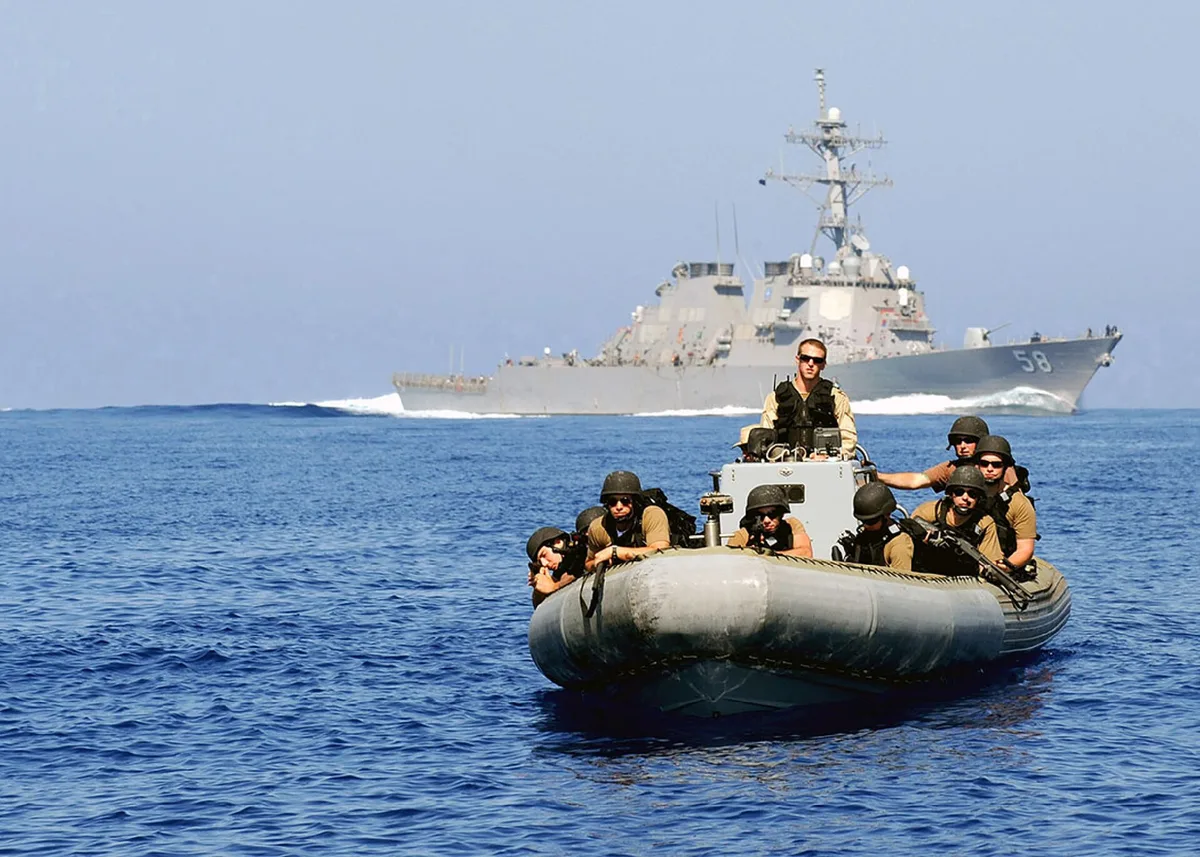
NATO launched Baltic Sentry in January 2025, an enhanced surveillance and patrol mission to protect critical undersea infrastructure in the Baltic Sea after a series of cable cuts, per NATO's January 2025 announcement. The mission pairs frigates, maritime patrol aircraft, and naval drones to monitor shipping and deter anchor-dragging incidents that damaged multiple data and power cables between November 2024 and January 2025.
What prompted Baltic Sentry?
Seven cuts to subsea cables connecting Baltic nations were recorded between November 2024 and January 2025, per analyses of the Baltic incidents published in 2025. The most damaging single case was the Eagle S, an oil tanker linked to Russia's so-called shadow fleet, which dragged its anchor across the Estlink 2 power cable between Finland and Estonia in December 2024 and was seized by Finnish authorities. In January 2025, Latvian authorities investigated damage to an undersea telecoms cable attributed to an external factor at depth, and on February 21, 2025, the Finnish operator Cinia reported damage to a data cable between Germany and Finland east of Gotland, with sabotage suspected.
How does the mission work?
Baltic Sentry assigns allied frigates to patrol areas across the Baltic, supported by maritime patrol aircraft and a growing complement of naval drones, per NATO's announcement. The concept is to shorten the chain between detection of suspicious anchoring or loitering and an armed response, so that a patrol ship is on scene within minutes rather than hours. Baltic states have also begun seizing suspect vessels for investigation, a step Finland took with the Eagle S in December 2024 and Sweden applied to a Maltese-flagged ship connected to another cable breach. Together these measures mark the first standing allied military mission devoted to protecting subsea infrastructure in the Baltic.
What happens to vessels suspected in cable cuts?
The Baltic response has combined patrols with legal process. Finnish authorities seized the Eagle S in December 2024 and opened an investigation into the anchor damage that cut the Estlink 2 link, per Finnish announcements reported in January 2025. Sweden boarded a Maltese-flagged vessel in connection with a separate cable breach in the same period, per reporting on the Baltic incidents, and Latvian investigators examined damage to a telecoms cable in January 2025. Each seizure turns a patrol encounter into an evidence-gathering operation, since anchor chains, seabed tracks, and automatic identification system records can establish or refute deliberate dragging. NATO's Baltic Sentry announcement in January 2025 explicitly paired the military mission with this law-enforcement dimension, per the announcement, on the reasoning that deterrence requires both a warship overhead and a credible prosecution afterward.