U.S. military sealift policy assigns the bulk of combat equipment movement to the sea: the Department of Defense moves the overwhelming share of deployment tonnage by ship, using the government-owned surge fleet, the civilian-crewed Military Sealift Command (MSC), and contracted commercial vessels under preparedness programs. The U.S. Merchant Marine, a fleet of privately owned commercial ships and their civilian crews, is the backbone of that system, and federal law designates it, in the Merchant Marine Act of 1936, as the country's fourth arm of defense. The chronic policy problem, documented in Government Accountability Office reporting through the 2020s, is that the commercial fleet and the mariner workforce able to crew surge shipping have both contracted for decades.
This is a policy explainer, not legal guidance; naval-pages.com publishes information, not legal advice.
What are the pieces of the sealift system?
Sealift is a layered structure in which government and industry each hold defined roles. The elements officials cite in budget testimony and GAO reports are the following.
- Military Sealift Command: the Navy component that operates government-owned ships for combat logistics, prepositioning, and surge sealift, crewed largely by federal civil service mariners, headquartered in Norfolk, Virginia.
- The Ready Reserve Force (RRF): a fleet of more than 40 government-owned ships maintained by the Maritime Administration (MARAD) for surge activation, with declared readiness of 4, 5, or 10 days depending on status, managed through ship management contractors.
- The National Defense Reserve Fleet: the wider MARAD reserve fleet at sites including Suisun Bay, California, and the James River in Virginia, from which RRF vessels are drawn.
- Voluntary Intermodal Sealift Agreement (VISA) and the Sealift Readiness Program: arrangements that commit commercial operators to provide capacity and crews in a national emergency in exchange for peacetime DoD business.
- Maritime Security Program (MSP): annual stipends, set by statute at $3.1 million per ship, that keep dozens of commercially viable U.S.-flag vessels and their crews in the mobilization base.
What does MSC actually do in peacetime?
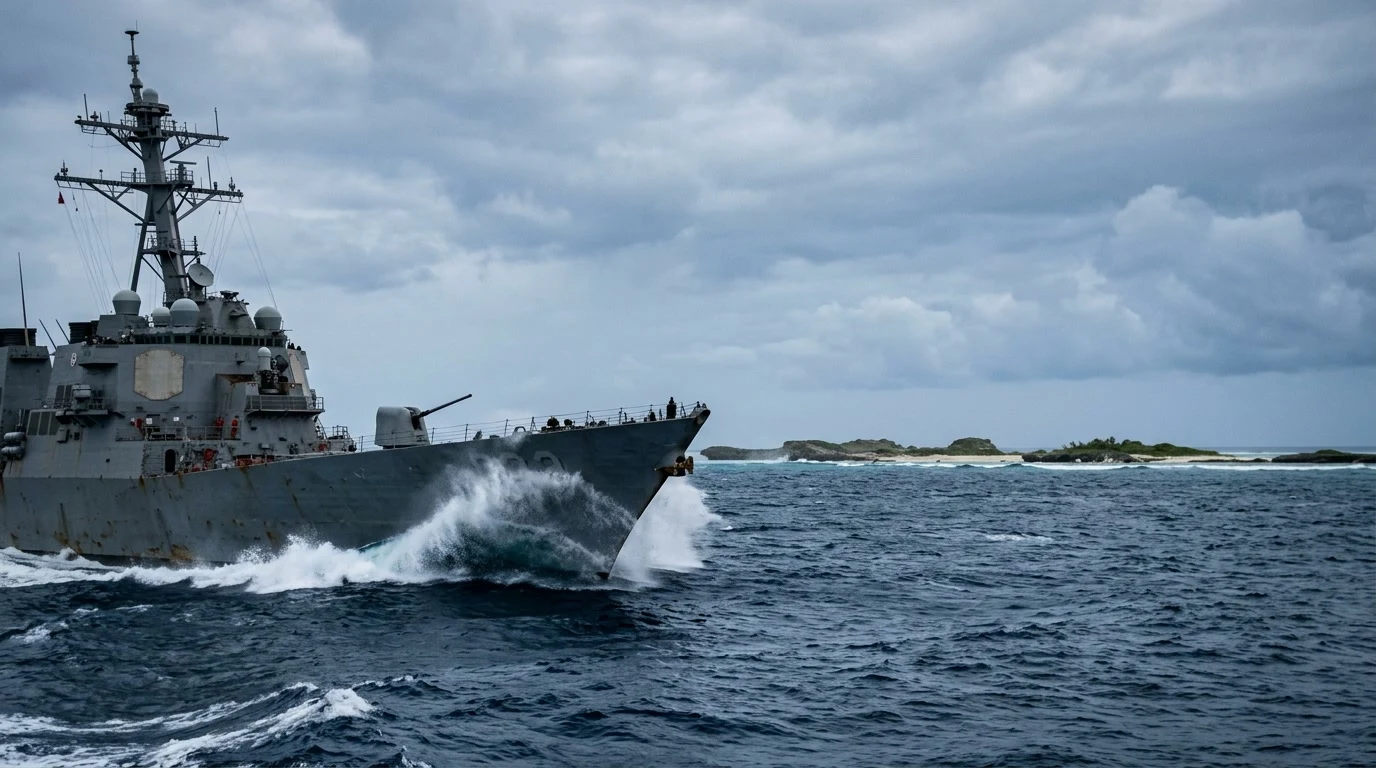
MSC is the standing connection between the commercial maritime world and the Navy. Its civil service mariners replenish warships underway through the fleet oilers and dry cargo ships of the naval fleet, run prepositioning squadrons loaded with Army and Air Force equipment at forward anchorages, conduct oceanographic and special mission work for the Navy's research arms, and move defense cargo commercially contracted worldwide. Because MSC crews are civilians, MSC ships can deliver to ports and in circumstances where uniformed manning would complicate operations, and the Navy's combat logistics force is what lets carrier and expeditionary strike groups stay at sea. During the 2021 Afghanistan withdrawal and subsequent contingency operations, MSC and contracted shipping carried the bulk of the cargo, and MSC's ships supported the humanitarian and logistics missions in Ukraine-related security assistance shipments through 2022 and 2023, according to department statements.
Why does mariner supply constrain readiness?
Ships without crews are steel, not capability. GAO has reported since 2019 that the pool of credentialed U.S. mariners is insufficient to sustain a prolonged surge: the workforce analysis GAO published in 2019 identified a shortfall on the order of 1,800 mariners to sustain a mobilization beyond a few months, because RRF activation and commercial commitments would draw from the same limited labor pool. The pipeline depends on state maritime academies, the U.S. Merchant Marine Academy at Kings Point, and union training schools, all of which produce roughly the number of graduates the commercial industry absorbs in normal times. Retention problems compound the arithmetic, since mariners leave for shore-based work at predictable rates. Policy responses have included expanded incentive pay studies, recruitment initiatives announced by MARAD and the Navy, and proposals in successive NDAA drafts to fund mariner training capacity; the shortfall remains uncorrected in public reporting as of 2025.
How fast can the sealift force surge?
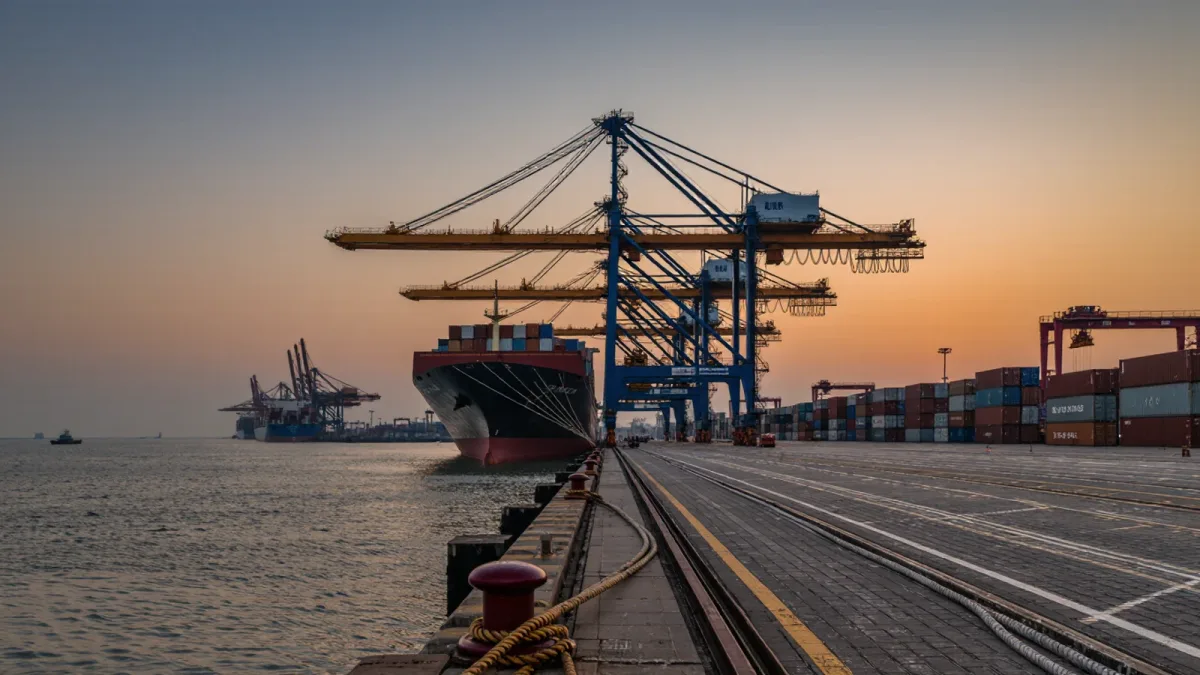
Readiness is measured in days, and the numbers are public in MARAD and DoD testimony. RRF ships carry activation windows of 4, 5, or 10 days, with a defined percentage required to meet their readiness standards in annual reporting; MARAD's status reports to Congress have generally shown compliance in the mid-90 percent range in the 2020s, with shortfalls concentrated in the oldest hulls. The deeper constraint is speed at scale: the Strategic Seaport network of Army-managed commercial terminals at ports including Beaumont and Corpus Christi, Texas, sets the rate at which divisions can be loaded, and joint exercises exercise that flow annually. Mobilization planning assumes the first months of a major conflict would move equipment by prepositioned and surge shipping while the commercial fleet reflags capacity into the defense lane under VISA, with sealift capacity shortfalls acknowledged in DoD's own mobility studies, including the Mobility Capabilities Requirements Study and subsequent testimony citing a need for greater government-owned surge capacity.
What policy debates shape the merchant marine now?
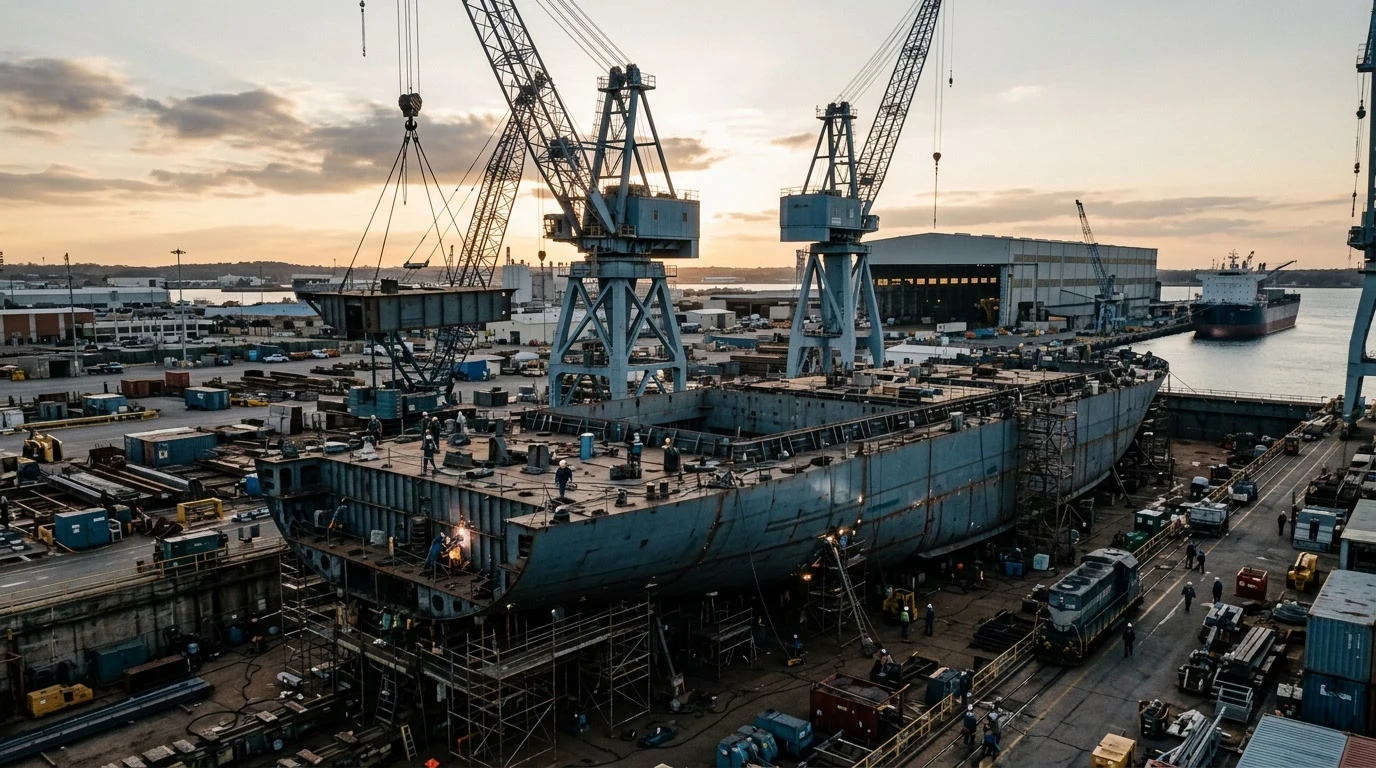
Three debates recur in the 2020s Congress. First, cargo preference law, which requires a share of government-sponsored cargo to move on U.S.-flag ships, is periodically adjusted to support the flag fleet's commercial base; proponents call the statutes essential, critics call them costly. Second, the Maritime Security Program's fleet size and stipend level are revisited regularly, with MARAD and industry testimony describing the program as the thin line keeping intermodal capability and mariner jobs in the U. S.-flag fleet. Third, shipbuilding capacity, distinct from sealift but linked, since a U.S.-flag fleet needs a U.S. shipyard base to regenerate; MARAD's own reporting shows the U.S. commercial shipbuilding base at a small fraction of its historical scale, and 2024-2025 White House and congressional initiatives on maritime industrial policy have addressed the gap directly. None of these debates has produced a settled long-term blueprint as of mid-2026; they remain live in each NDAA and appropriations cycle.