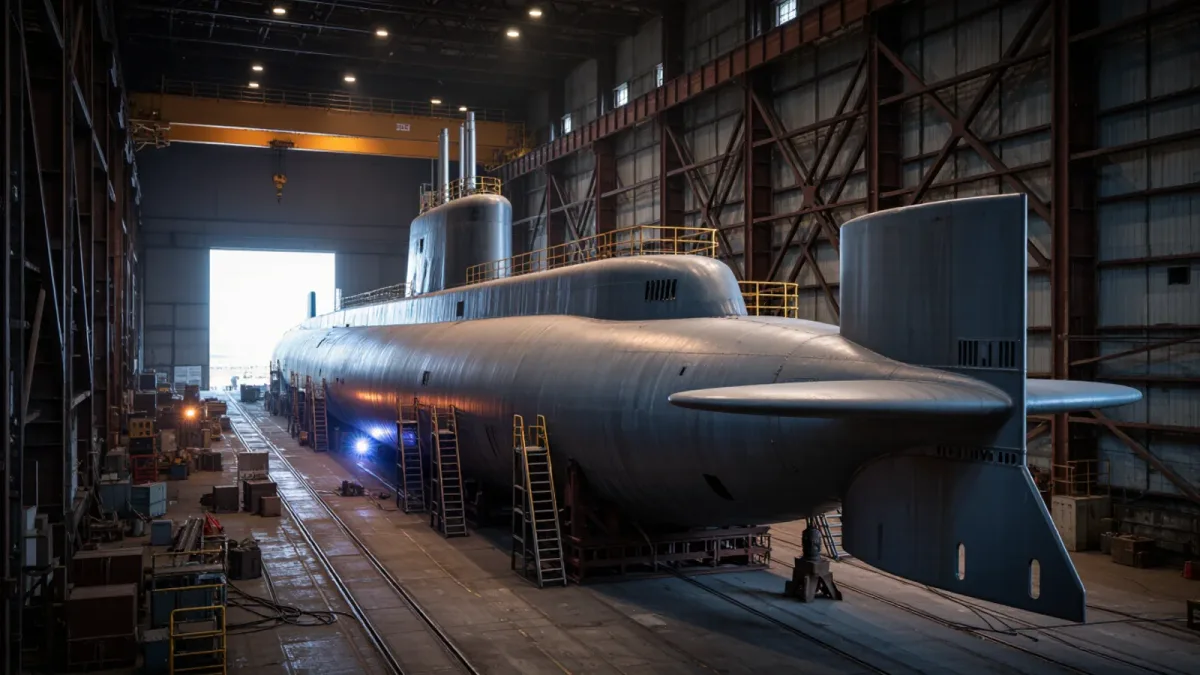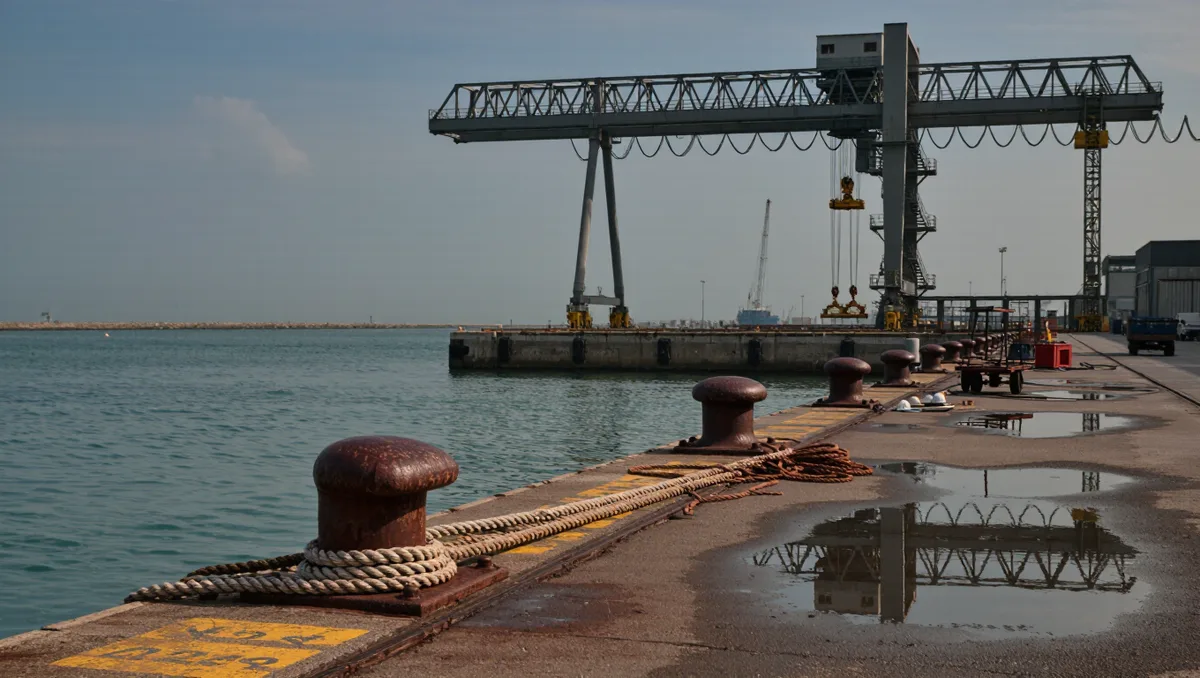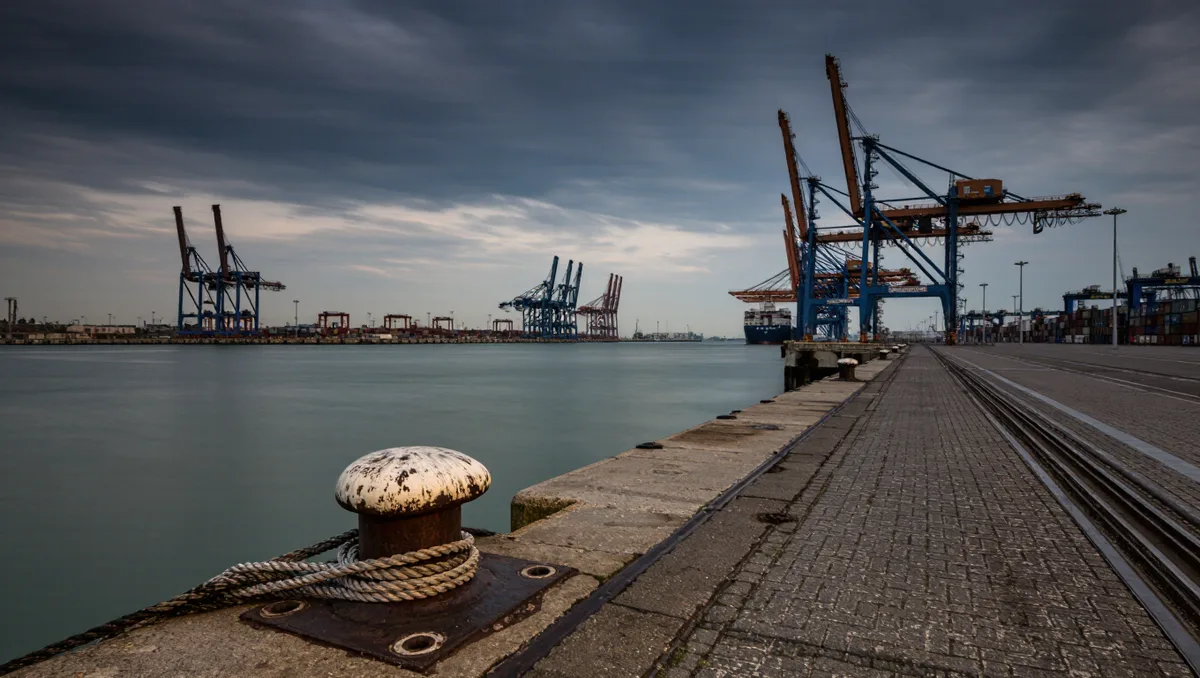
The Navy operates four public shipyards: Portsmouth Naval Shipyard in Kittery, Maine; Norfolk Naval Shipyard in Portsmouth, Virginia; Puget Sound Naval Shipyard in Bremerton, Washington; and Pearl Harbor Naval Shipyard in Hawaii. All four are government-owned facilities managed by the Naval Sea Systems Command, and all four specialize in overhauling and modernizing the Navy's nuclear-powered fleet — a mission private yards do not perform under Navy policy. Since the late 2010s, the four yards have been the subject of the Shipyard Infrastructure Optimization Program, or SIOP, a roughly 20-year effort to replace dry docks, industrial equipment, and utilities that in several cases date back a century or more, with an initial investment estimate of about $21 billion that Navy testimony in 2024 and 2025 indicated had risen further.
Which ships does each yard maintain?
Each yard holds a defined share of the nuclear fleet, according to Navy facility descriptions published through 2025. Portsmouth Naval Shipyard, on an island in the Piscataqua River across from Portsmouth, New Hampshire, overhauls attack submarines, principally Los Angeles-class and Virginia-class boats serving the Atlantic fleet. Norfolk Naval Shipyard, on the Elizabeth River in Virginia, is the oldest Navy shipyard, with ship repair activity on its site dating to the 1700s; it services both nuclear-powered aircraft carriers and submarines assigned to the Atlantic coast. Puget Sound Naval Shipyard in Washington handles Pacific fleet carriers and attack submarines, performs carrier and cruiser inactivation work, and historically converted four Ohio-class hulls to guided-missile submarines. Pearl Harbor Naval Shipyard, adjacent to Joint Base Pearl Harbor-Hickam, maintains the attack submarines of the Pacific fleet. The geographic split matters: two yards on each coast keep nuclear-powered ships close to their homeports during maintenance periods.
Why do nuclear ships only go to public yards?
Navy policy reserves nuclear shipwork for the public yards, and the reason is regulatory rather than merely traditional. Nuclear-powered vessels are maintained under Naval Reactors' standards, requiring cleared facilities, trained government and contractor nuclear workforce, and secured radiological controls that the public yards have operated for decades. Statements and testimony from NAVSEA through 2025 describe the four yards as the only facilities performing defueling, refueling, and nuclear overhauls of carriers and submarines. Private shipyards handle non-nuclear work — surface combatant repairs, amphibious ship availabilities, and much new construction — which is why discussions of fleet maintenance capacity always divide into two separate industrial bases. This division is central to understanding backlogs: a delay at one of the four public yards cannot simply be shifted to a private yard down the coast, because the private base cannot legally or technically accept the nuclear workload.
What is the Shipyard Infrastructure Optimization Program?
SIOP, launched by the Navy in the late 2010s, is the department's plan to rebuild the public shipyard industrial plant over roughly two decades. According to Navy documents and testimony through 2025, the program addresses three categories: dry docks, capital equipment, and facilities and utilities. Many of the dry docks predate World War II or were built during it; several are more than a hundred years old, and Navy assessments found them too small for modern carriers or deteriorated below reliability standards. The program's published approach consolidates and replaces dry docks, modernizes machine shops and utilities, and reorganizes workflow inside the yards to reduce the time ships spend alongside rather than in work status. The Navy's initial public estimate in 2019 placed the cost at about $21 billion over 20 years; testimony in 2024 and 2025 described growth in that estimate by billions of dollars, driven by construction cost inflation and expanded scope, and annual budget requests since have carried SIOP lines in the hundreds of millions to low billions per year.
What condition are the yards in?
The Navy's own assessments, cited in Government Accountability Office reporting between 2020 and 2024, describe aged and congested facilities: dry dock availability constraints that bottleneck submarine and carrier schedules, utilities requiring replacement, and industrial buildings operating beyond their design lives. GAO reporting in this period also documented the operational consequence — maintenance periods that start late, run long, or both, producing accumulated delays measured in hundreds of days per year across the fleet. At the same time, workload is rising: the Columbia-class program will add submarine maintenance demand late in the 2020s, and the Navy has described the yards as needing to absorb that work without extending existing delays. SIOP's timeline, as published in Navy materials through 2025, runs into the 2040s, with the largest dry dock projects — particularly at Norfolk and Puget Sound — sequenced across the coming decades.
How large are the yards as workforces?
The four shipyards are among the largest industrial employers in their regions, collectively employing tens of thousands of federal civilian workers, according to Navy workforce statements published through 2025. Norfolk, the largest, employs on the order of ten thousand or more; Portsmouth, Puget Sound, and Pearl Harbor each employ several thousand to over ten thousand depending on hiring cycles. The Navy has described hiring and retention as a second front alongside infrastructure: trades such as welding, machining, electrical work, and rigging require years of qualification, and nuclear work adds security clearances and radiological training. Testimony through 2025 described hiring authorities, pay flexibility, and investments in training pipelines as part of the same effort as SIOP, because new dry docks and equipment do not produce maintenance without a qualified workforce to operate them.
How do the public yards compare with private shipyards?
The two bases do different work under different rules. Public yards are government facilities with government workforces; they exist to maintain the nuclear fleet and perform work no private yard can accept. Private yards — on both coasts and the Gulf — compete for non-nuclear fleet repairs under contracts managed by NAVSEA, and also build new ships. Navy and GAO statements through 2025 describe the fleet as dependent on both simultaneously: private capacity absorbs surface ship availabilities that public yards cannot take, while the public yards carry the carrier and submarine load. When either base is overloaded, delays migrate across the fleet, which is why Navy maintenance initiatives in the mid-2020s addressed both bases at once — SIOP for the public yards, and contracting and schedule reforms for the private side.
What comes next for the four yards?
As of Navy budget materials published in 2025, SIOP projects were proceeding in phases: dry dock replacements and upgrades in design or construction at multiple yards, equipment modernization funded year to year, and facility consolidation plans sequenced over the following two decades. The measure of success the Navy has stated is schedule performance — maintenance completed on time, ships returned to the fleet when planned — and GAO's successive reports provide the public yardstick for whether that improves. For readers tracking the program, the dated indicators to watch are annual SIOP budget lines, dry dock project completions announced by NAVSEA, and the maintenance completion statistics in each year's GAO and Navy readiness reporting.