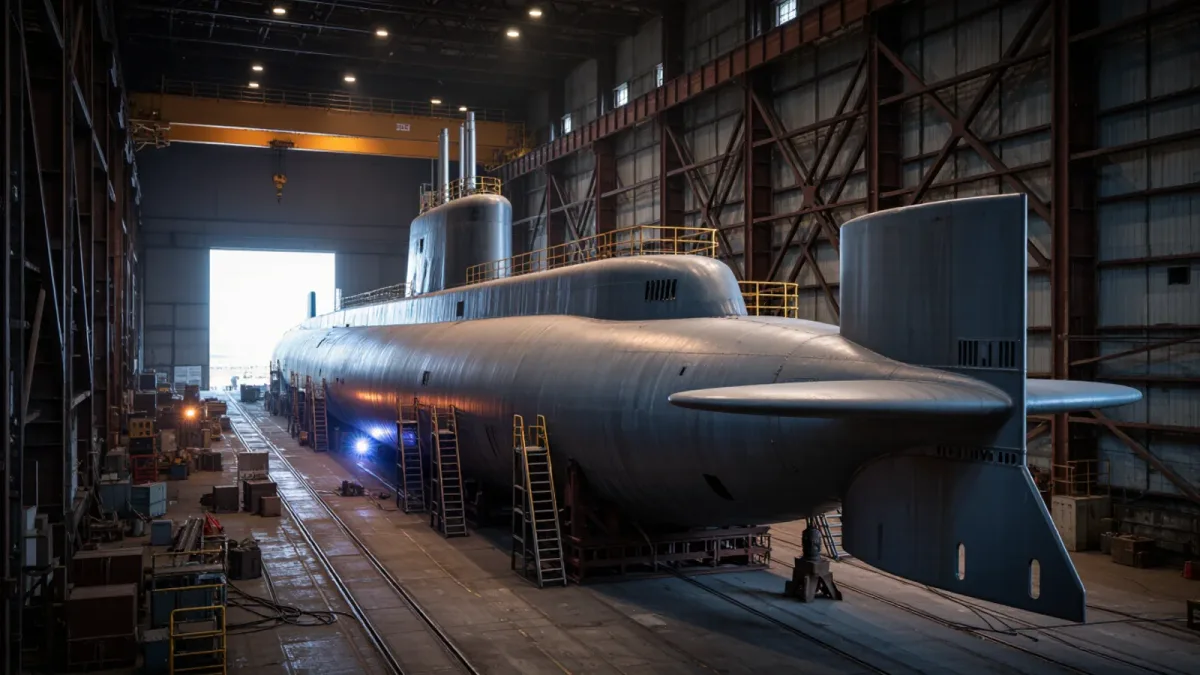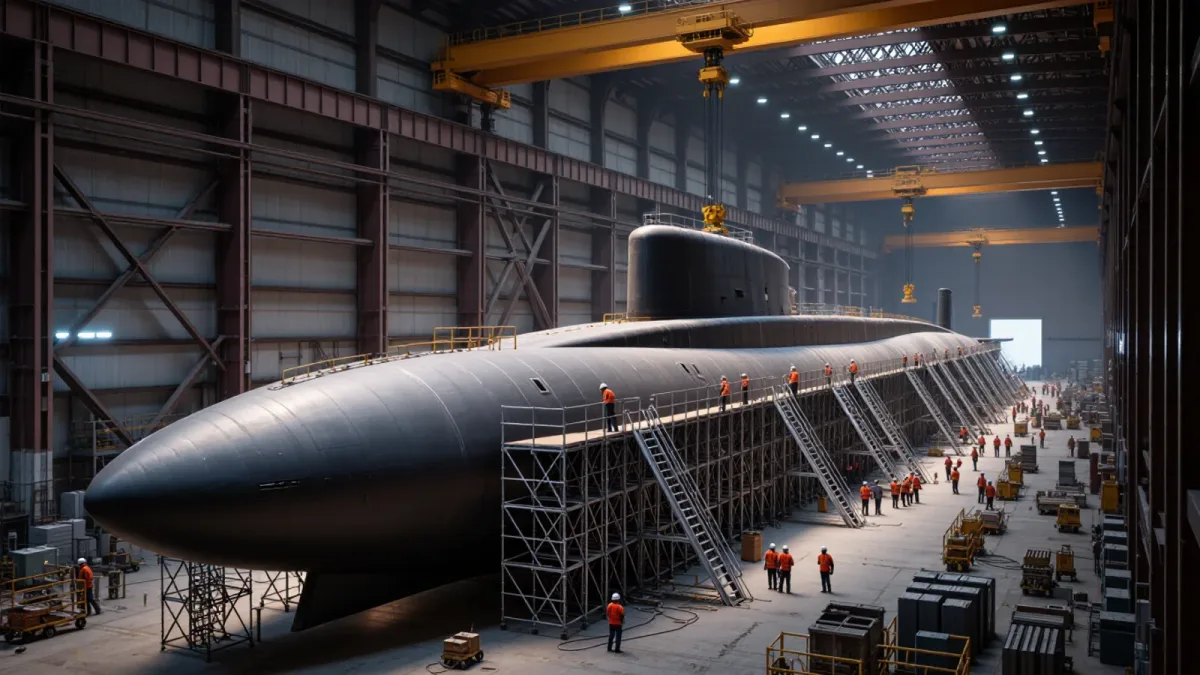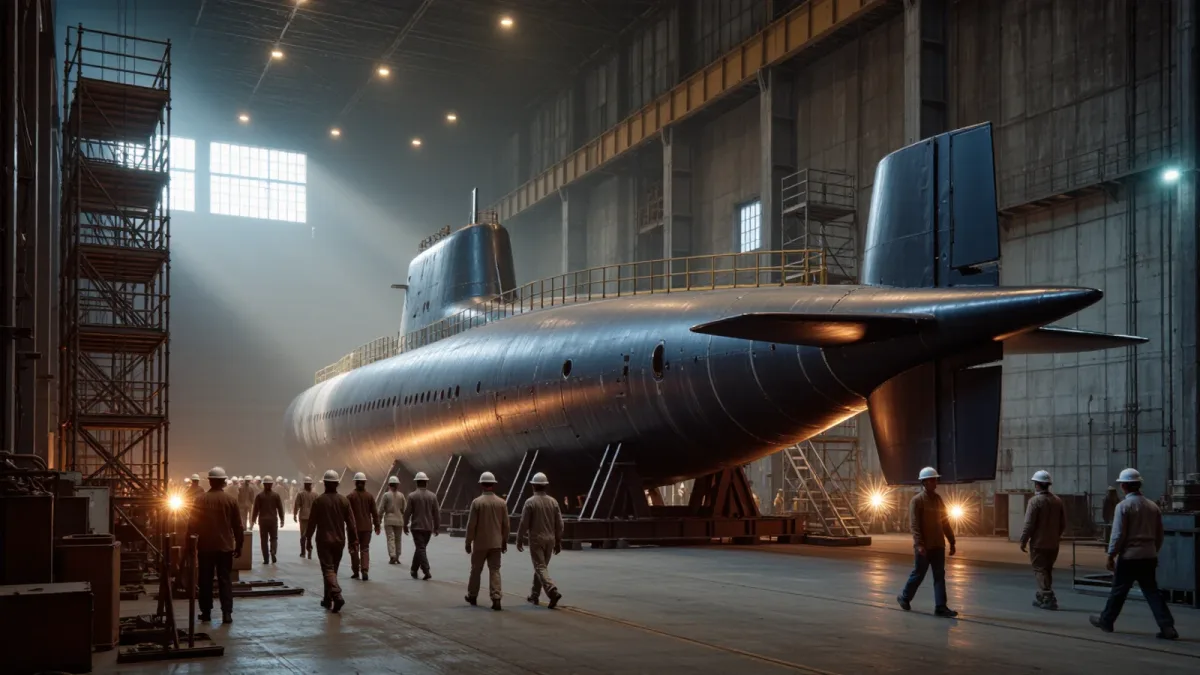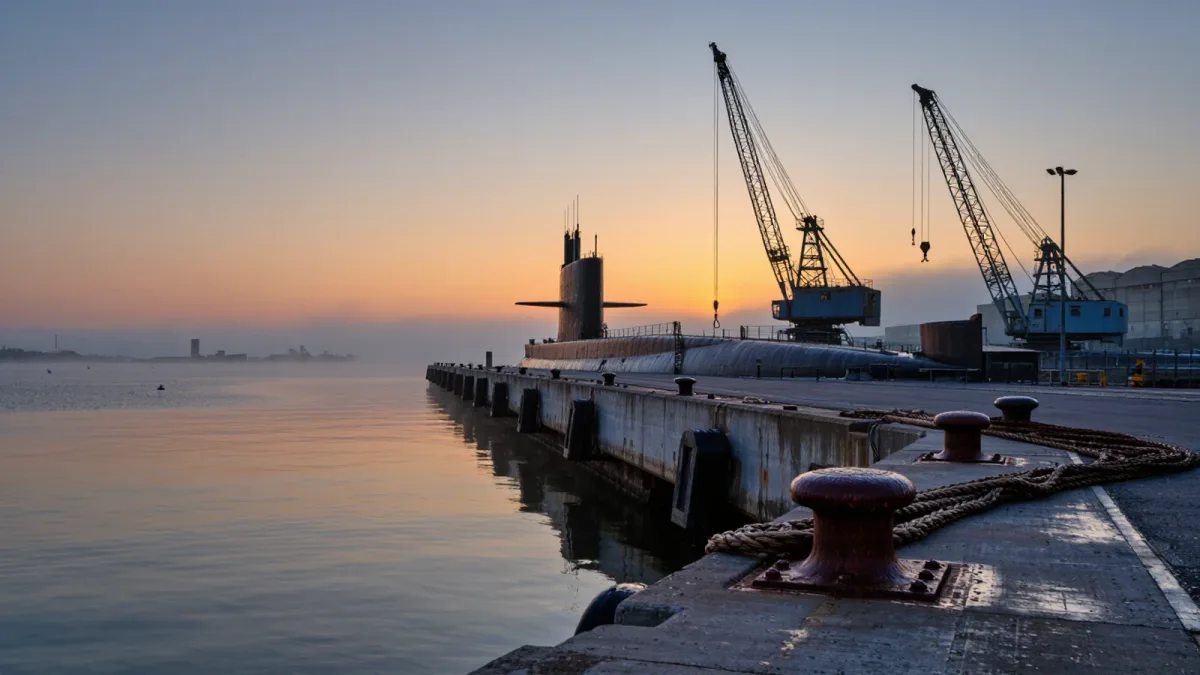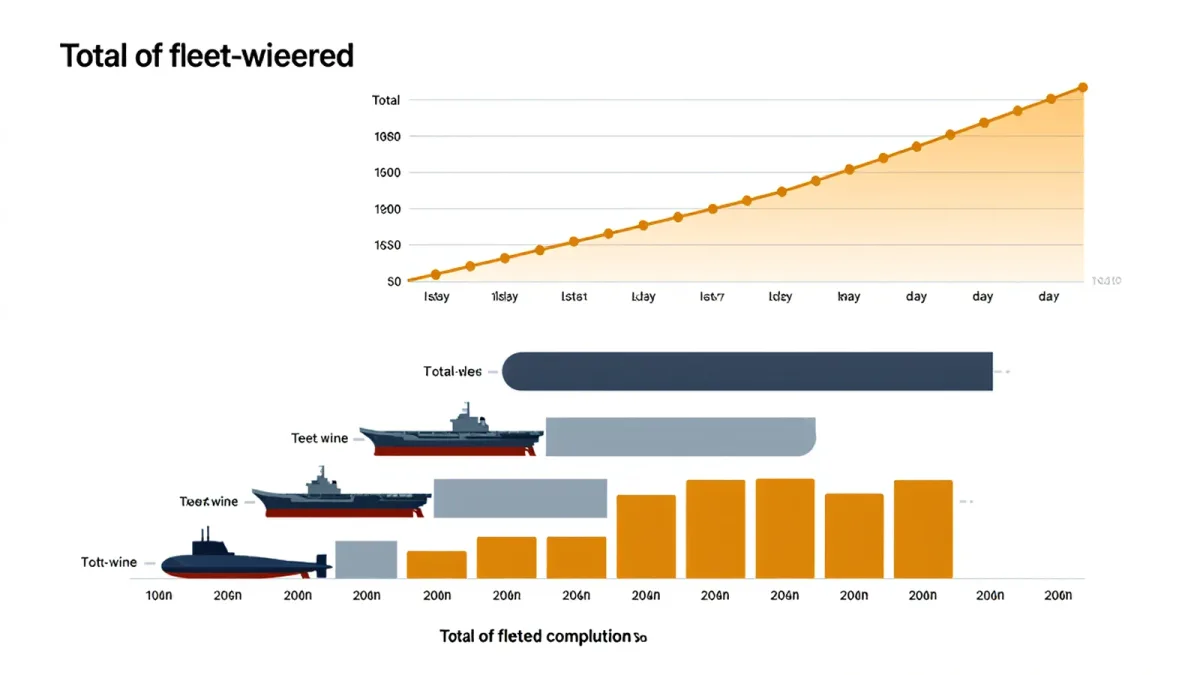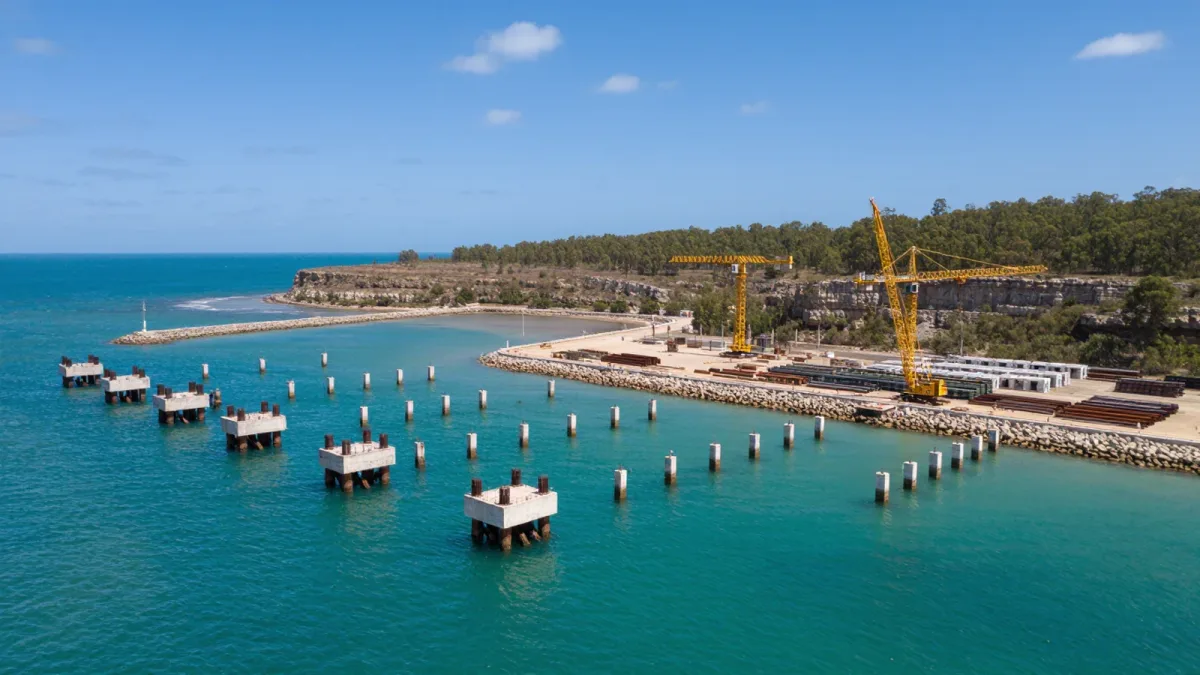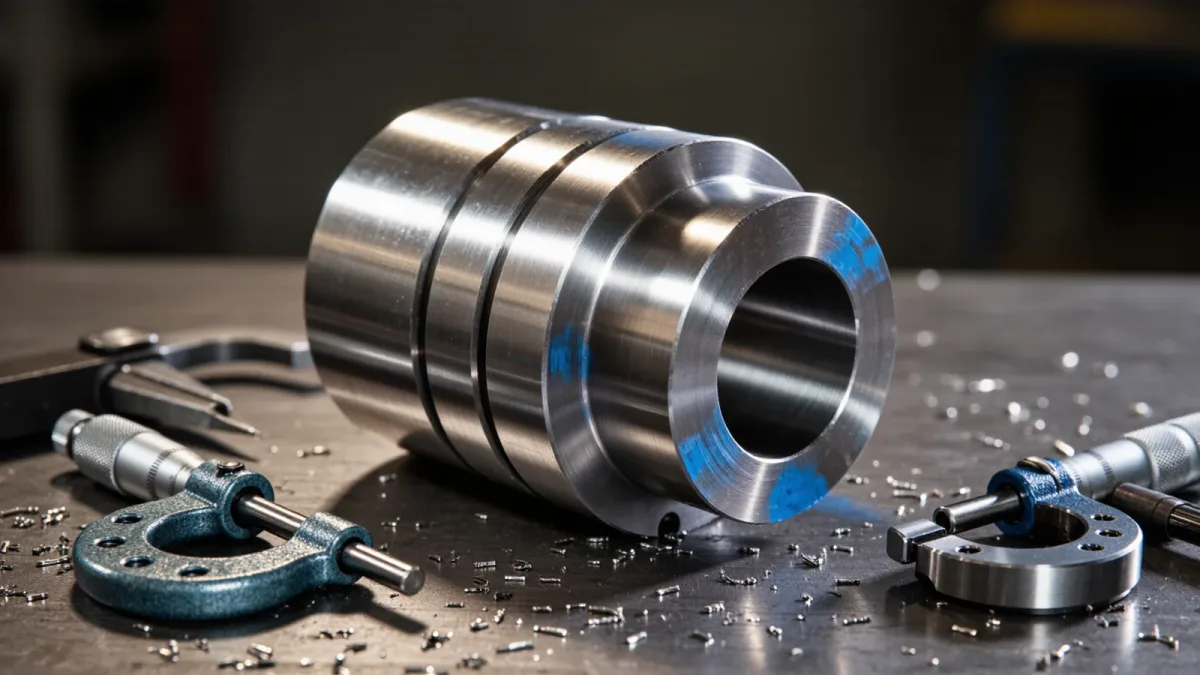
Submarine industrial base investment is the Navy's program of direct spending on the suppliers, facilities, and workforce that build and maintain nuclear submarines — the layer beneath the prime builders General Dynamics Electric Boat and Huntington Ingalls Industries' Newport News Shipbuilding. According to Navy statements and budget materials published through 2025, the service directed more than $2 billion into the submarine industrial base across fiscal years 2023 and 2024, and supplemental appropriations enacted in April 2024 added roughly $3 billion more, including funding tied to the AUKUS partnership. The purpose is singular: to hold the Columbia-class rate of one boat per year and the Virginia-class rate of two boats per year at the same time, a combined tempo the industrial base has never sustained.
Why does the Navy invest directly in suppliers?
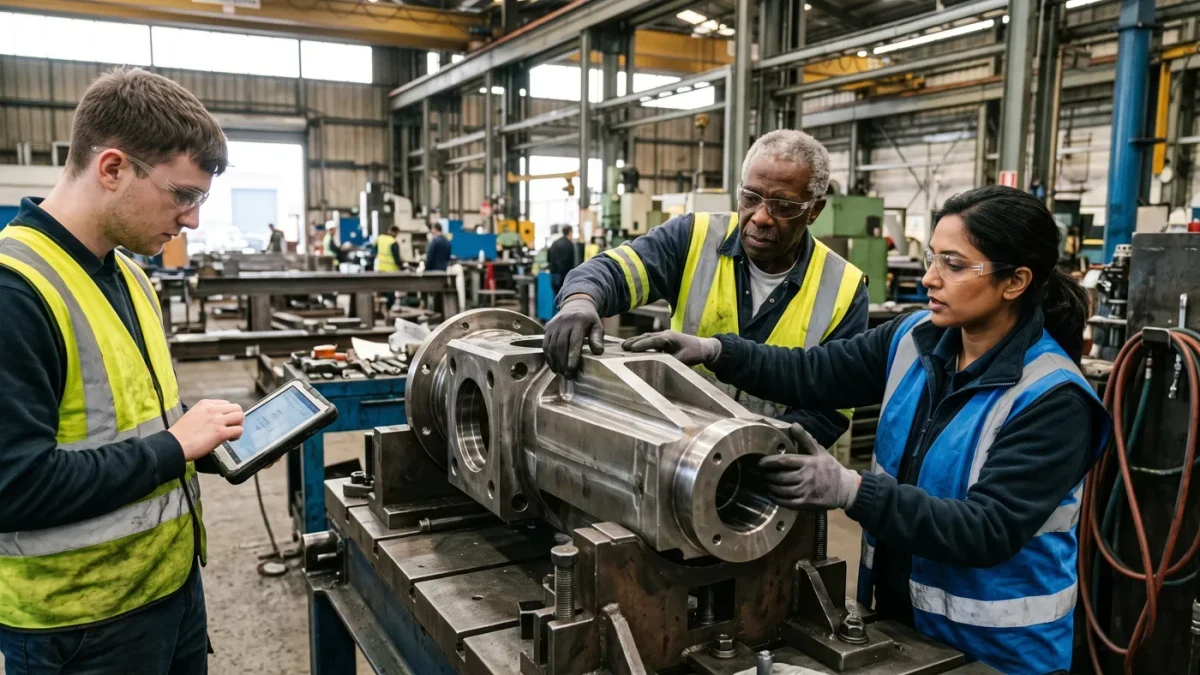
Submarine construction depends on a supplier network that market forces alone cannot sustain, per the Navy's testimony through 2024 and 2025. Nuclear submarines require naval nuclear reactor components, large forgings, specialized valves, piping, and electronics from suppliers that in some cases have one or two qualified sources in the country. Many of these firms are small and mid-sized businesses whose submarine work is one line among several, and decades of variable order volume had left some of them with capacity, equipment, or workforce shortfalls. Rather than waiting for the prime contractors to solve those gaps contract by contract, the Navy began awarding funds directly to suppliers — through the primes in many cases, but with the government defining the investment — to expand facilities, buy machine tools, and qualify additional sources. Navy testimony in 2023 described this as buying production capacity before it is needed, on the argument that a supplier stood up in 2024 is what makes a hull deliverable in 2028.
How much money is involved, and where does it go?
The figures in the public record through 2025 run as follows. Navy budget materials and statements described more than $2 billion invested across fiscal 2023 and 2024, drawn from annual appropriations and prior authorities. The supplemental appropriations act signed in April 2024 added roughly $3 billion for the submarine industrial base, a portion of which was tied to AUKUS implementation, according to White House and Navy summaries of the act. The Navy's subsequent budget requests continued annual industrial base funding lines. The money goes to named categories that Navy statements have repeated: supplier facility expansion and equipment purchases, additional or second-source qualification for critical components, workforce development including training pipelines and retention incentives at yards and suppliers, and infrastructure at the two building yards themselves. The recipients number in the hundreds — Navy statements through 2025 described a supplier network of hundreds of companies across dozens of states.
What does AUKUS have to do with it?
Everything, per the pathway announced in March 2023. Under the AUKUS arrangement, Australia committed contributions to U.S. submarine industrial capacity, and the April 2024 supplemental carried the first tranche of AUKUS-related investment funding. The logic is arithmetic: the pathway's schedule depends on the U.S. submarine force and production rates remaining strong enough to support the planned sale of Virginia-class boats to Australia in the 2030s, which in turn depends on the industrial base producing at or above two Virginia-class boats per year while Columbia construction runs. Navy and congressional statements through 2025 treated AUKUS funding and domestic industrial base funding as one problem: the same forgings, the same reactor components, and the same qualified machinists must cover Navy requirements, AUKUS commitments, and submarine maintenance simultaneously. Congressional oversight of how Australian contributions were spent continued through the 2025 appropriations cycle.
Is the investment working?
The honest answer in the public record through 2025 is that it is too early to declare, and the indicators are mixed. Navy statements in 2024 and 2025 cited progress: more suppliers qualified, facility expansions completed, and hiring gains at Electric Boat and Newport News, with both yards adding thousands of workers in the early 2020s. But the same period's Government Accountability Office reporting and Navy testimony acknowledged that production of Virginia-class boats remained below the two-per-year goal and that the Columbia-class schedule had compressed. Navy officials described the production goal as a ramp achieved over years rather than a switch; oversight reports responded that the ramp's feasibility had not been demonstrated and recommended the Navy show the capacity math before committing to schedules that depend on it. Both statements can be read in the budget documents of the period, and they remain the standing terms of the debate.
Who are the key players?
The industrial base has a hierarchy, per Navy and industry materials through 2025. At the top sit the two nuclear shipbuilders: General Dynamics Electric Boat, with yards in Groton, Connecticut, and Quonset Point, Rhode Island, and Huntington Ingalls Industries' Newport News Shipbuilding in Virginia, which share work on every Columbia and Virginia hull. Naval Reactors — the federal agency within the Department of Energy complex that oversees naval nuclear propulsion — controls the reactor component chain, including specialized suppliers of fuel and reactor plant equipment. Below that sit the major subsystem suppliers for propulsion, weapons handling, and sonar, and below them the hundreds of small and mid-sized firms producing forgings, castings, valves, and components. The Navy's investment program touches every layer, but the statements through 2025 emphasized the lower tiers, where a single failed supplier can idle an entire build line.
What limits the base most?
Three constraints recur in testimony through 2025. Workforce: submarine construction requires tens of thousands of skilled tradespeople, and both yards and suppliers described hiring goals measured in thousands per year, in competition with other industries and with the national shipyard repair base. Facilities: supplier plants need expanded floor space, new machine tools, and in some cases security infrastructure before output can rise, and construction of those facilities takes years. Component chains: a small set of critical items — large forgings and naval nuclear components chief among them — set the pace for the whole program, which is why second-source qualification appears repeatedly in the Navy's investment categories. None of these is solved by a single appropriation, which is why the Navy has characterized the effort as sustained investment across the 2020s and 2030s.
What should observers watch?
Four dated indicators track the program's health. The annual budget request's submarine industrial base line, which shows whether funding is sustained or cyclical. The Virginia-class delivery count in each year's Navy reporting, against the two-per-year goal. Columbia-class schedule statements, since compression there signals the same capacity limits. And the Government Accountability Office's successive industrial base assessments, which provide the independent measurement of supplier health and production rates. As of the 2025 documents, the program's premise — that sustained early investment converts into production tempo by the late 2020s — remained the central, unproven claim of U.S. submarine shipbuilding.