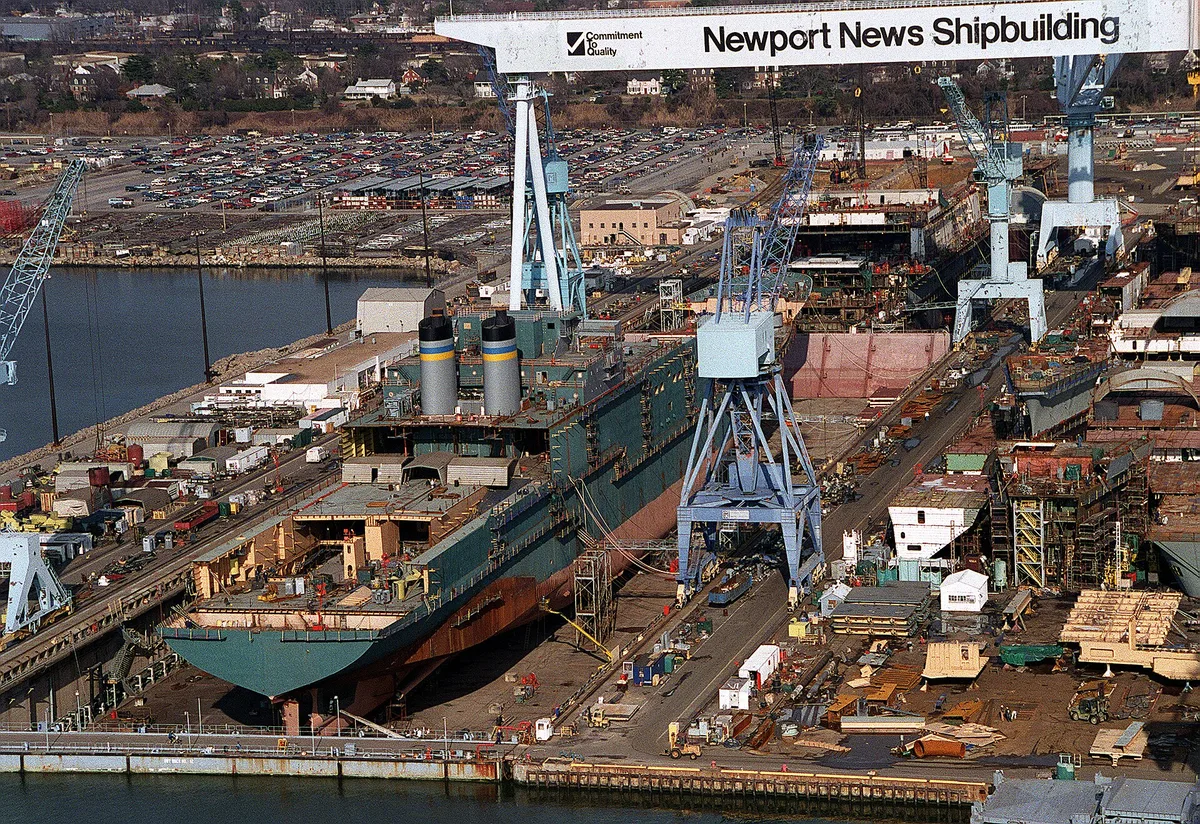
The ship lifecycle cost is the total bill for a vessel from the day steel is cut to the day it is scrapped or sold. The purchase price is only the first entry in that ledger. Over a working life that can run for decades, support, fuel, crew, repairs, upgrades and disposal usually add up to far more than the original contract.
This is why procurement officials talk about "through-life" cost rather than sticker price. A hull that looks cheap at contract signing can become expensive in service. A hull that looks expensive up front can turn out to be the better deal once decades of upkeep are counted.
This explainer walks through the stages of that ledger. It stays general on purpose: every class and every owner's account books differ, so the honest answer is about structure and incentives, not a single multiplier.
What does ship lifecycle cost actually include?
Lifecycle cost is usually divided into a handful of stages. Each one has its own budget, its own owner and its own way of going wrong.
- Acquisition: design, construction, initial equipment, and the first set of spares and documentation.
- Operation: fuel, crew wages, training, insurance, port fees and day-to-day consumables.
- Maintenance: scheduled dockings, unscheduled repairs, and the industrial capacity needed to perform both.
- Modernization: mid-life upgrades to sensors, weapons, machinery and, increasingly, software.
- Disposal: decommissioning, recycling or sale, including environmental cleanup.
The pattern that repeats across navies and merchant fleets is simple: the later stages are the big ones. A ship is a long-lived asset with a full-time crew assigned, which means payroll and upkeep keep running whether or not anyone is watching the budget line. As the encyclopedia entry on ships notes, ships can remain at sea for longer periods than boats and are expected to stay in service for years at a stretch, which is exactly what makes the through-life bill so large (Wikipedia, "Ship").
Why does the purchase price mislead buyers?
The contract price is the number everyone sees. It appears in press releases, in headlines and in legislative hearings. The decades of support that follow appear in quieter budget lines, spread across many years and many offices.
That asymmetry shapes behavior. A buyer optimizing for the visible number will favor the lowest construction bid. A buyer optimizing for the whole ledger will ask harder questions: How often does this design need to dock? Are spare parts common with other ships in the fleet, or unique to this class? Does the builder commit to support the class for its full service life, or does that responsibility end at delivery?
None of these questions changes the launch-day photograph. All of them change the thirty-year bill.
What drives support costs in service?
Three drivers dominate the in-service years, and none of them is the hull itself.
Machinery and systems. Engines, generators, gearboxes and cooling plants wear with use. The more complex and the more unique a ship's equipment, the harder and costlier it is to keep running. A class that shares parts with sister ships and fleet standards costs less to support than one-of-a-kind machinery.
Availability of work. A ship cannot be repaired without a yard, a dry dock and skilled trades. When maintenance capacity is tight, schedules slip and costs rise. The gap between planned upkeep and the industrial capacity to perform it is a recurring theme in naval maintenance, and it is covered in detail in Naval Pages' guide to how ship availabilities work and why they fall behind. We covered a connected angle in The Navy's Repair Backlog: How Ship Availabilities Work and Why They Fall Behind.
Crew. People are a running cost that never pauses. Training, retention and the size of the complement needed to operate the ship all feed the ledger year after year.
What does this mean for upgrade decisions?
Modernization is where lifecycle accounting gets uncomfortable. A hull built for one mission set will face different threats, sensors and software over its service life. Upgrading keeps the ship relevant, but each upgrade touches wiring, cooling, weight and space, and each one costs more than the last because the ship gets harder to modify as systems pile up.
Buyers who plan for this from the design stage leave room: spare space, spare weight margin, spare power. Buyers who do not discover mid-life that the ship has no room left for what it needs. The difference is invisible at delivery and decisive at the fifteen-year mark.
Practical steps for reading any program announcement follow from this. When a new class is announced, the useful questions are not about speed or weapons alone. They are about support commitments, commonality with the rest of the fleet, upgrade margin, and who pays for disposal. Programs such as the Navy's next-generation surface combatants are being shaped by exactly these questions, as explained in the DDG(X) program guide.
How does disposal add to the bill?
End of life is not free. A retired warship must be stripped of hazardous materials, fuel and sensitive equipment before it can be recycled or sunk as a reef. Merchant ships sold for recycling face their own environmental and regulatory obligations, which fall on the owner to manage properly.
Disposal is the stage most often forgotten in early budgeting, because it lies decades away and belongs to a future office. But the cost is real, and designs that make recycling easier, for example by limiting hazardous materials used in construction, reduce it.
How should a reader weigh lifecycle cost claims?
Our analysis of how these debates play out in public comes down to one habit: ask what the number excludes. A quoted program cost may cover construction only, or construction plus first-generation spares, or a full through-life estimate. Comparisons between programs that use different accounting are meaningless, and yet they happen constantly in public discussion.
A few checks help. Look for the stated service life behind any lifecycle figure, because a thirty-year estimate and a fifty-year estimate are not comparable. Look for whether fuel and crew are included, since they can dominate operation. And look for whether the estimate comes from the builder, the buyer or an independent auditor, because each has different incentives.
None of this requires a spreadsheet to appreciate. It requires remembering that a ship is not a purchase. It is a commitment, paid out over a working life that begins at the shipyard and ends at the recycling yard, and covered from keel to scrap by the stages laid out above. Readers who want the earlier stages in detail can start with the primer on how a Navy ship moves from keel laying to commissioning, and the broader shipbuilding section tracks the industrial side of these programs as they develop. Readers following this should also see Primer: How a Navy Ship Moves From Keel to Commissioning.