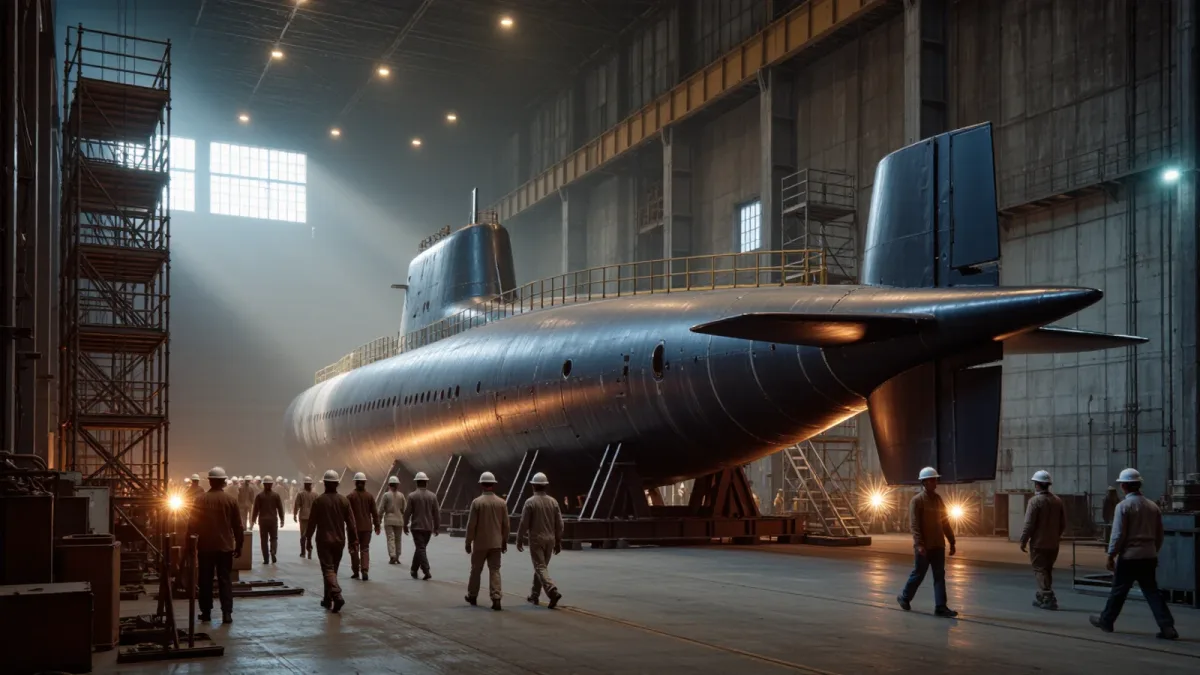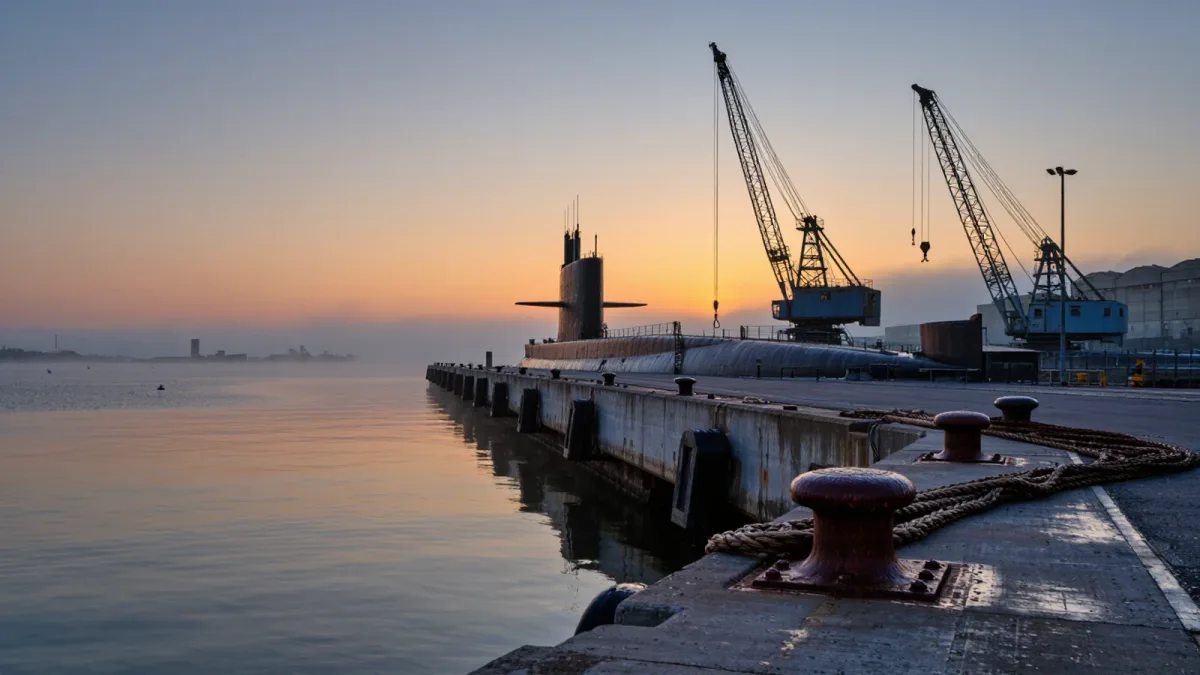
SSN(X) is the U.S. Navy's program for a next-generation attack submarine intended to follow the Virginia class, with requirements calling for a boat that is faster, acoustically quieter, and armed with a substantially larger torpedo and payload capacity than current hulls. As of Navy planning documents and congressional testimony published through 2025, the program remained in the pre-design stage: no contract for design completion or construction had been awarded, and the first procurement was projected for the 2030s. The program sits alongside the Columbia-class ballistic missile submarine and the Virginia-class production line in the Navy's submarine accounts, and its timing is deliberately sequenced after Columbia construction is established.
What does the Navy want SSN(X) to do?
According to Navy statements and Congressional Research Service reports published through 2025, the stated requirements fall into four areas. The boat is to be faster than a Virginia-class submarine, extending its ability to position and to reposition in contested waters. It is to be quieter, preserving the acoustic advantage as rival navies improve their own detection. It is to carry more torpedoes than the Virginia class, which carries 37 in its baseline configuration; the Navy has described SSN(X) torpedo capacity in excess of 50. And it is to serve as a payload host — operating large undersea vehicles, delivering strike weapons, and supporting special operations — reflecting the multi-mission role attack submarines have taken on since the Cold War. Navy officials have also described improved sensors and combat system growth margins as requirements, so the boat can accept new systems across a multi-decade service life.
Where does the design stand?
As of documents published through 2025, SSN(X) had not reached a contracted design. The Navy funded early concept studies and technology development in its budget requests of the early and mid-2020s, and testimony in those years described the program as maturing technologies before committing to a design baseline. Congressional Research Service reports through 2025 noted that requirements discussions were ongoing and that the Navy had not publicly fixed displacement, reactor plant, or propulsion details. That is standard for a program in this phase, but oversight reports — including the Government Accountability Office's annual weapons assessments in 2023, 2024, and 2025 — pointedly noted the pattern in which the Navy had previously begun construction on immature submarine designs, and recommended that key technologies be demonstrated before SSN(X) construction decisions. The Navy has stated that design work will build on both the Columbia and Virginia designs rather than starting from a clean sheet.
When will SSN(X) be built?
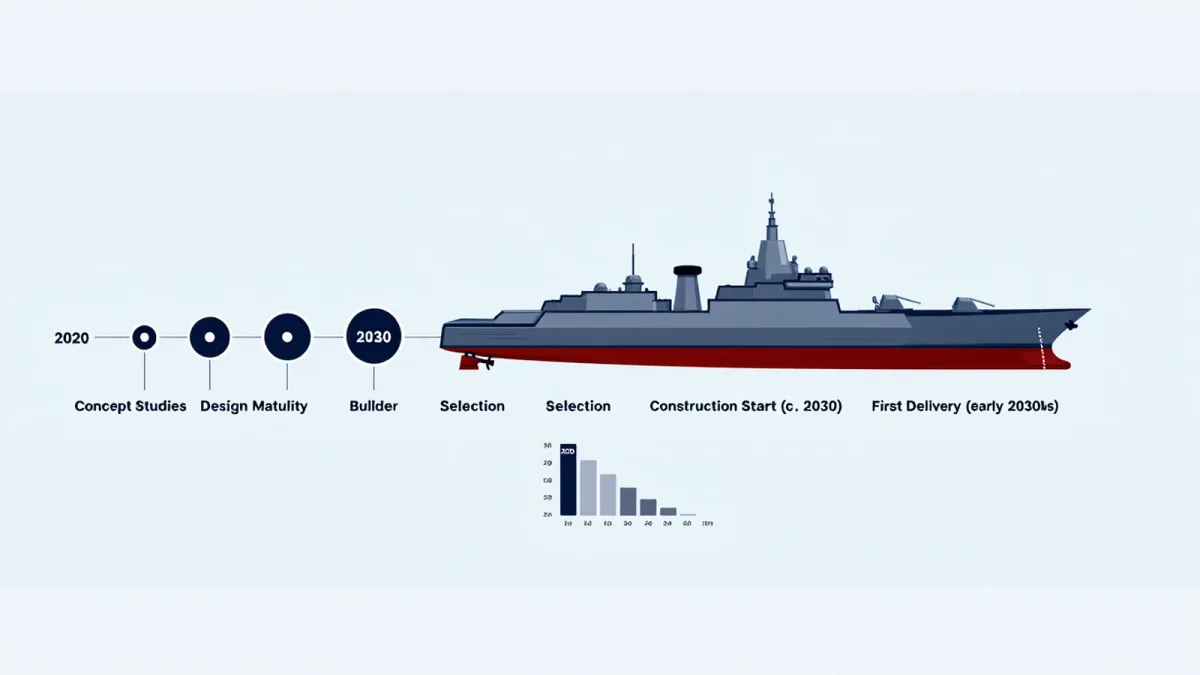
The Navy's planning documents published in the mid-2020s placed the first SSN(X) procurement in the 2030s, following the establishment of the Columbia-class build rate. The exact year moved across successive shipbuilding plans, and congressional researchers noted in reports through 2025 that the transition from Virginia-class production to SSN(X) remained one of the most consequential scheduling decisions in the Navy's long-range plan. The planned sequence, as described in Navy testimony, keeps Virginia-class production running at two boats per year through the late 2020s, overlaps the first Columbia deliveries, and then introduces SSN(X) as a next block in the 2030s. Navy officials have also discussed hybrid approaches in congressional hearings — combining Virginia-class systems with Columbia-class technology — as a way to control the risk of an all-new design.
How much will SSN(X) cost?
No contracted cost exists, and published figures are projections. Congressional Budget Office analyses of Navy shipbuilding plans, published periodically through 2025, projected SSN(X) unit costs substantially above Virginia-class boats, reflecting the larger hull, greater power output, and new technologies; CRS reports through 2025 carried comparable characterizations. The Navy's own budget documents of the mid-2020s carried research and development funding for the program, with construction funding lines to appear in future requests once design matures. Because the program is a decade or more from contracted construction as of the 2025 documents, any single unit-cost figure circulating publicly should be read as an analyst projection, not an acquisition baseline — a distinction both CBO and CRS state explicitly in their reports.
How does SSN(X) interact with Columbia and Virginia?
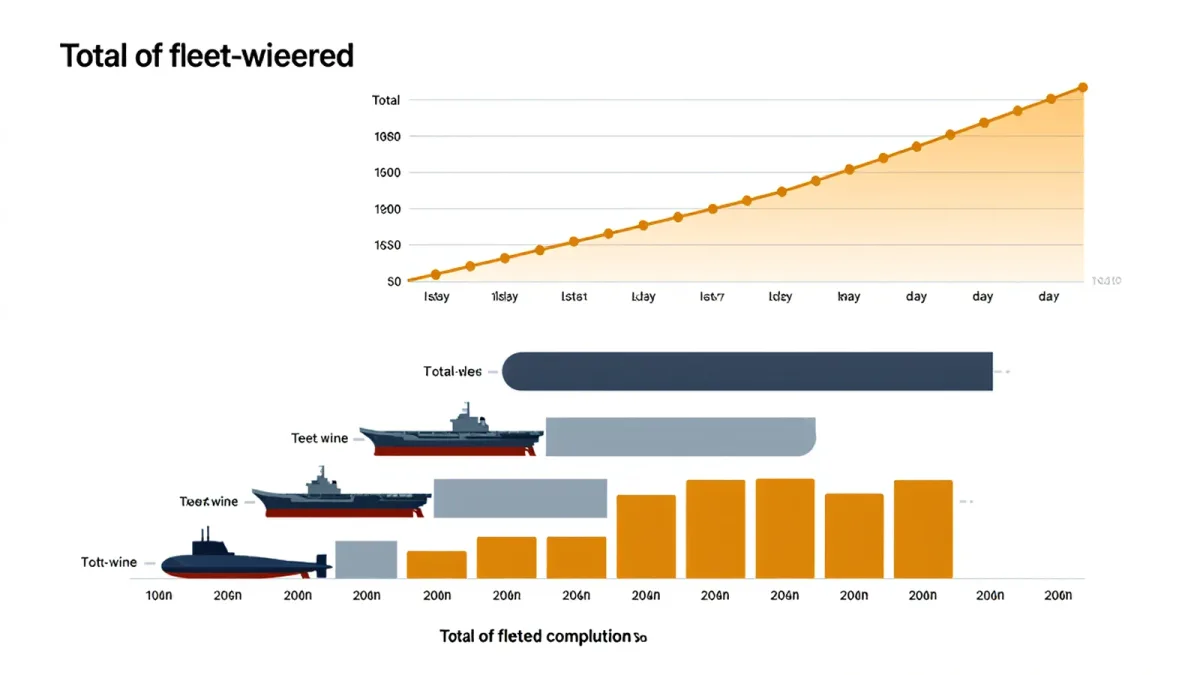
The three programs share industrial capacity, and the sequencing reflects that. Columbia-class construction absorbs Electric Boat's growth capacity in the late 2020s; Virginia-class production at two boats per year sustains both the Navy's attack submarine force and, under the AUKUS pathway announced in March 2023, the future transfer of Virginia-class hulls to Australia. SSN(X) enters after that tempo is established. Navy testimony through 2025 described the deliberate pacing as protecting the Columbia schedule, which the service has called its top priority, and as giving technology development time to mature before design decisions. The same statements acknowledged the trade-off: the attack submarine force plan assumes Virginia-class production continues long enough to bridge to SSN(X), and any slip in either program would compress the industrial base further.
What are the main risks?
Oversight bodies have named three. Design maturity: the GAO's weapons assessments through 2025 repeatedly cautioned against starting construction before key technologies — notably propulsion, quieting, and combat system integration — are demonstrated. Cost: both GAO and CBO projections put SSN(X) among the most expensive attack submarines ever attempted, and cost growth would compete with Columbia and Virginia funding within the same budget accounts. Industrial capacity: the submarine industrial base supporting Columbia and Virginia production is the same base that would build SSN(X), and Navy statements through 2025 described ongoing investment in suppliers as a precondition for any new construction start. These risks are why the program's near-term reality, as of the 2025 documents, is study funding rather than steel cutting.
What should observers watch?
Three dated markers will indicate the program's trajectory. First, the Navy's annual long-range shipbuilding plans, which state the projected first procurement year; movement across successive editions signals schedule pressure. Second, technology development decisions reported in budget justification documents, which show which systems are maturing toward the design. Third, the Virginia-class and Columbia production performance reported each year, since SSN(X)'s start depends on those lines holding their rates. Until a design contract is announced, published claims about SSN(X) specifics beyond the Navy's stated requirements remain projections rather than program facts.