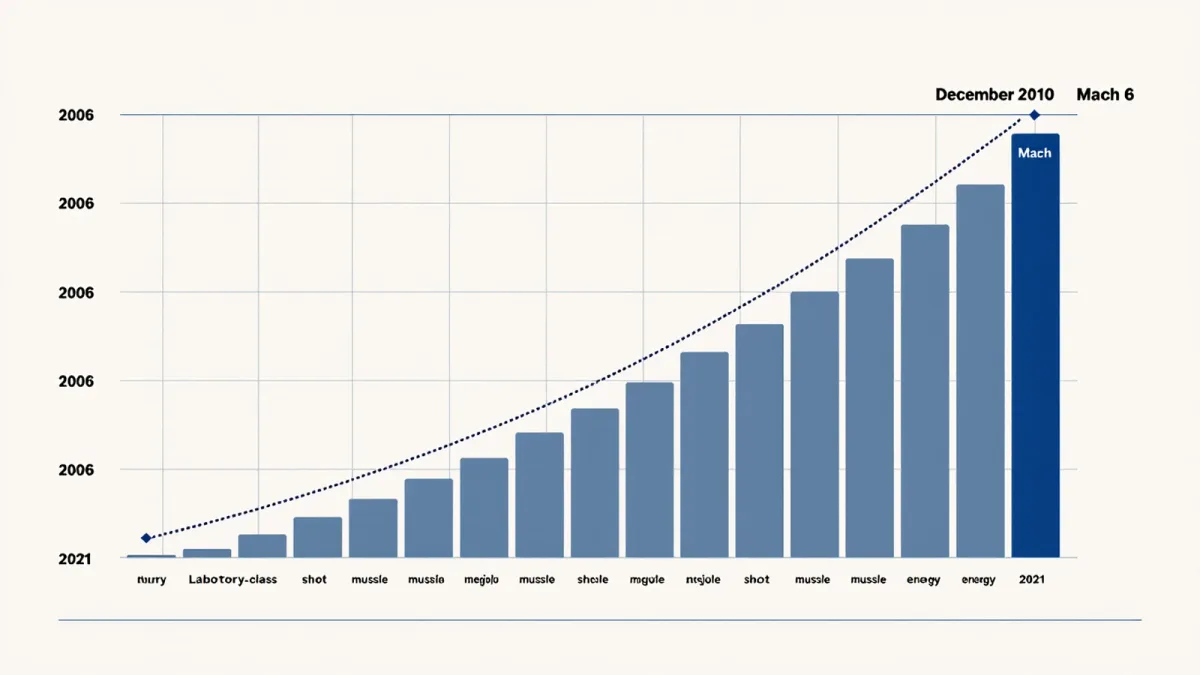
The electromagnetic railgun promised Mach 6 projectiles at projectile-only cost, reached full-scale tests at Dahlgren, and was quietly shelved as hypersonic missiles took its budget.
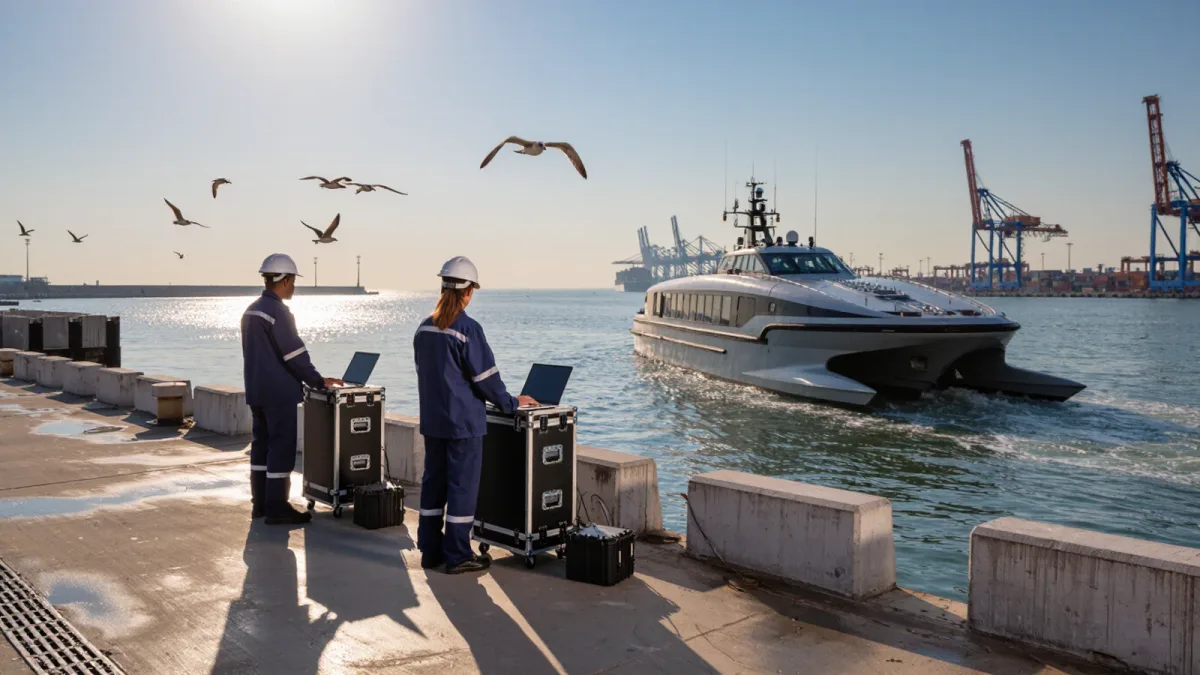
From a diesel trimaran that once sailed itself from Hawaii to California to missile-firing Ghost Fleet hulls, unmanned surface vessels have moved from DARPA experiment to fleet program in a decade.
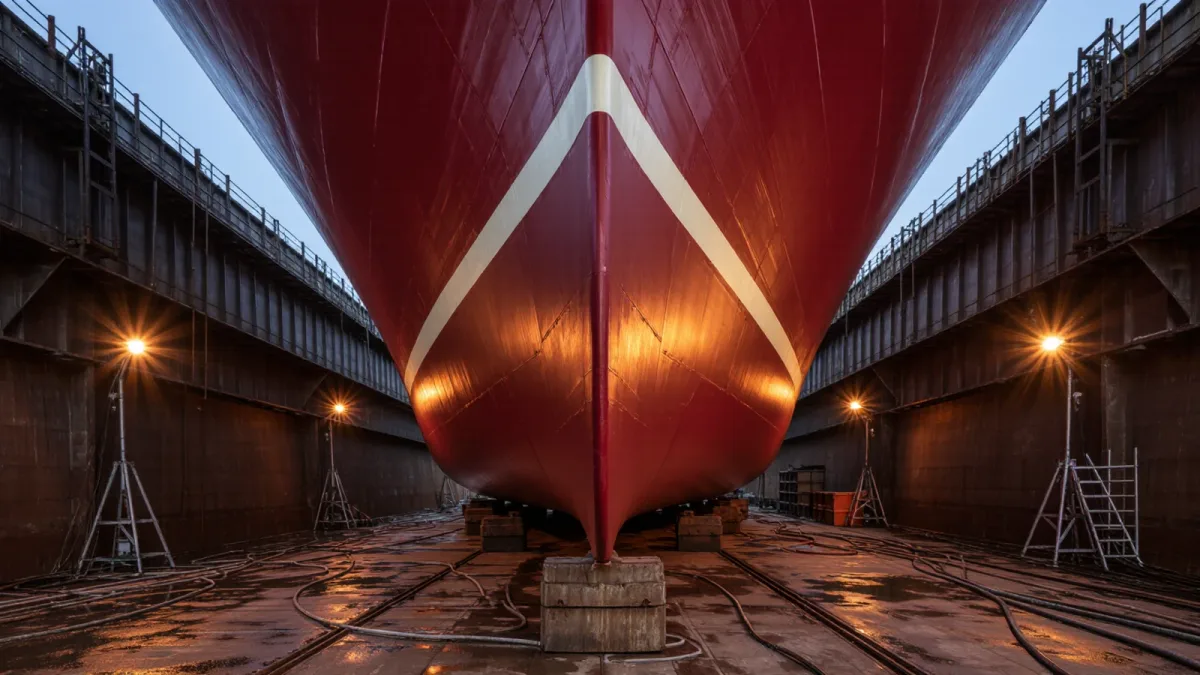
Barnacles and slime cost navies measurable speed and fuel; the answer is a layered regime of antifouling paints, foul-release silicones, and disciplined dry-dock cycles.
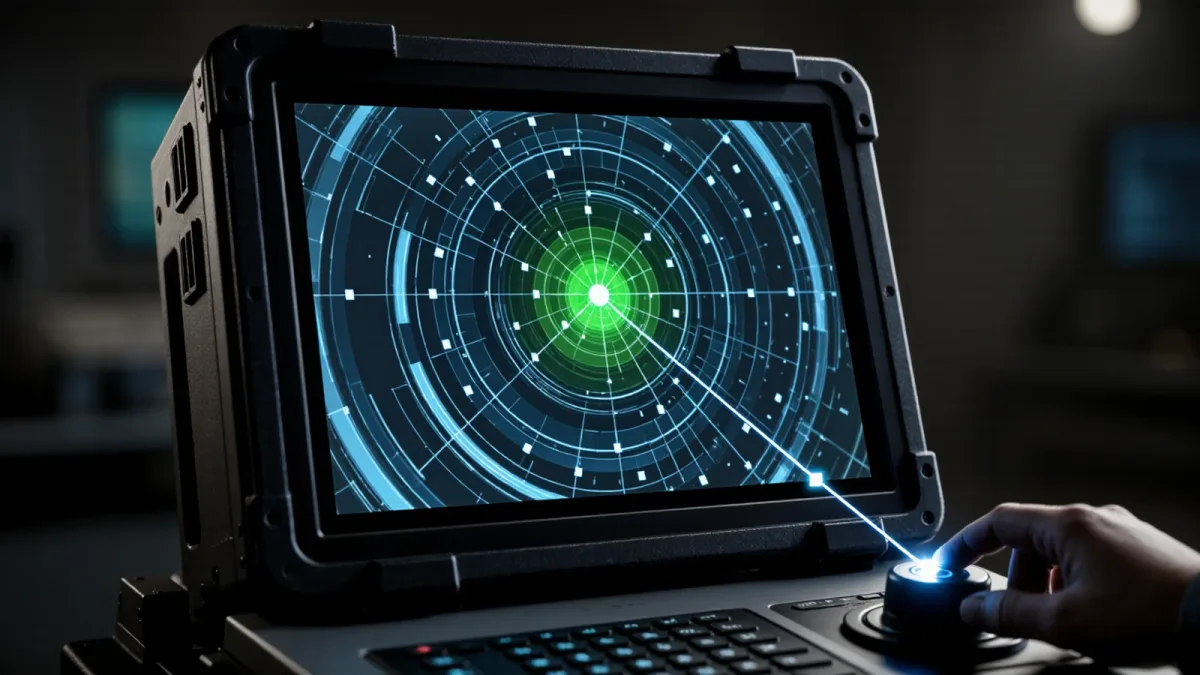
CEC merges the radar tracks of an entire force into one fire-control-quality picture, and with NIFC-CA it lets a destroyer engage an over-the-horizon target it never saw itself.
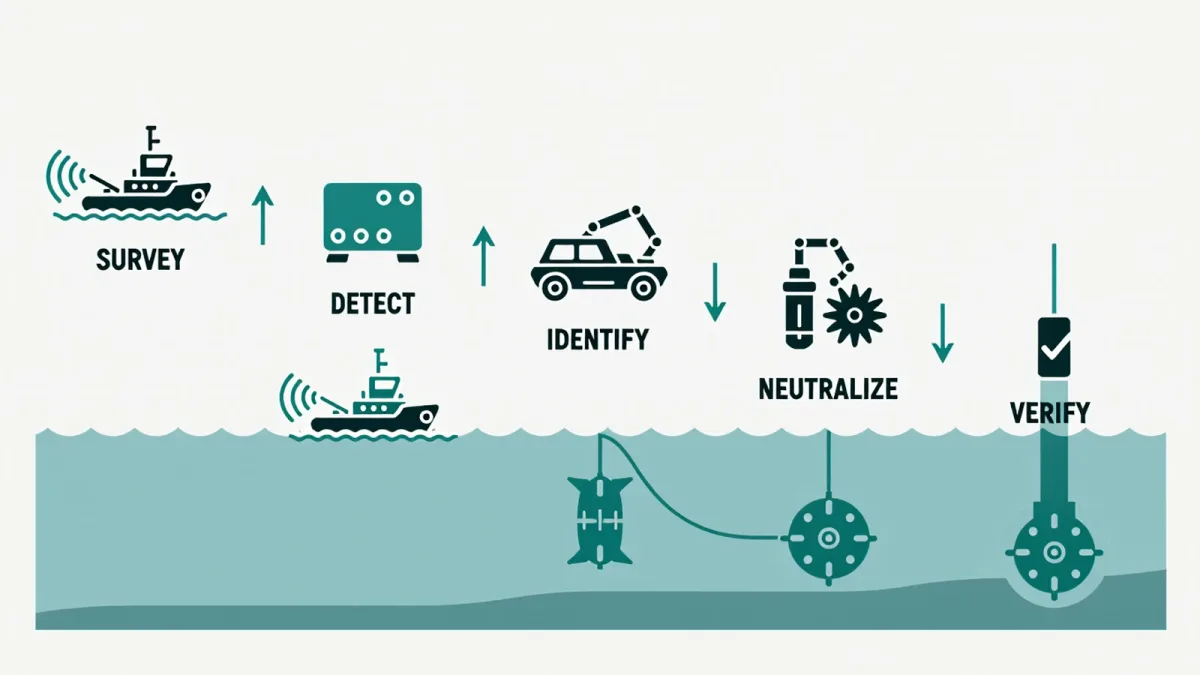
Countering sea mines once meant manned ships sweeping exposed water; the U.S. Navy now hunts them with sonar-carrying underwater vehicles and neutralizes them from helicopters.
Five decades after its first flight, Tomahawk remains the U.S. Navy's long-range land-attack standard, now upgraded as Block V with new seeker options and growing export demand.