Naval covers combatant vessels system by system: hull form, propulsion, sonar and radar fit, missiles, guns and combat management software. Entries compare classes on published figures and mark disputed numbers as disputed. Written for officers, engineers, defense analysts and readers wanting warships explained well beyond the silhouette.
Warship and submarine classes broken down by hull, propulsion, sensors and armament, with displacement, range and combat figures given their sources.
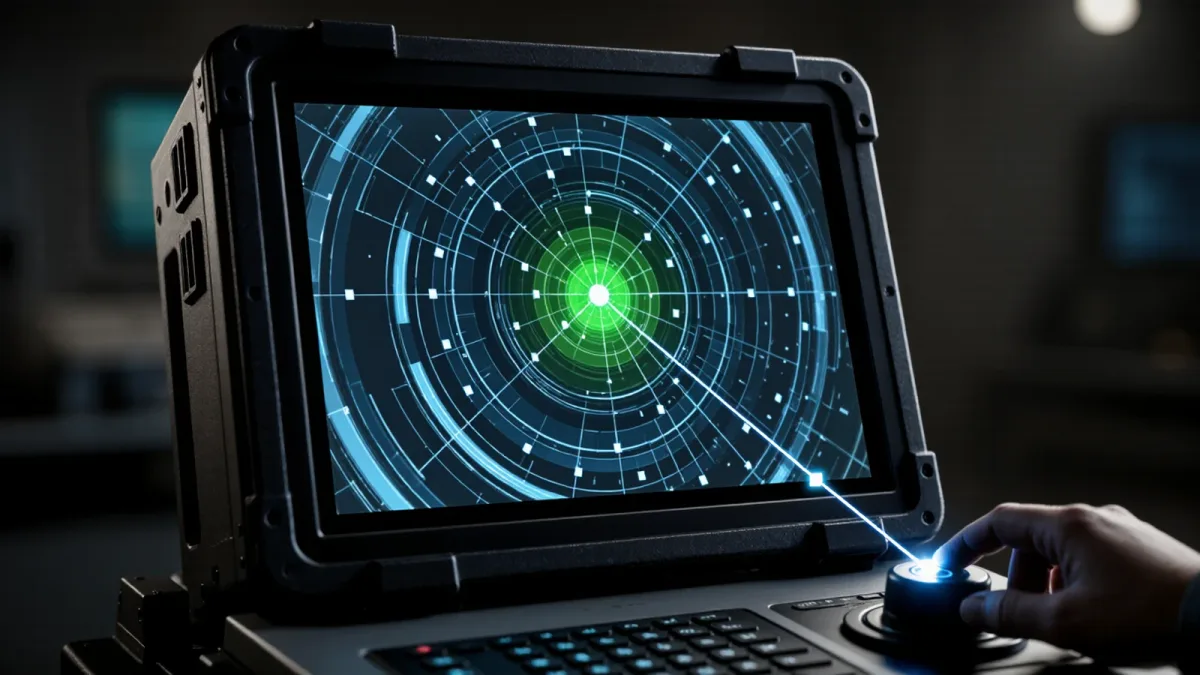
CEC merges the radar tracks of an entire force into one fire-control-quality picture, and with NIFC-CA it lets a destroyer engage an over-the-horizon target it never saw itself.
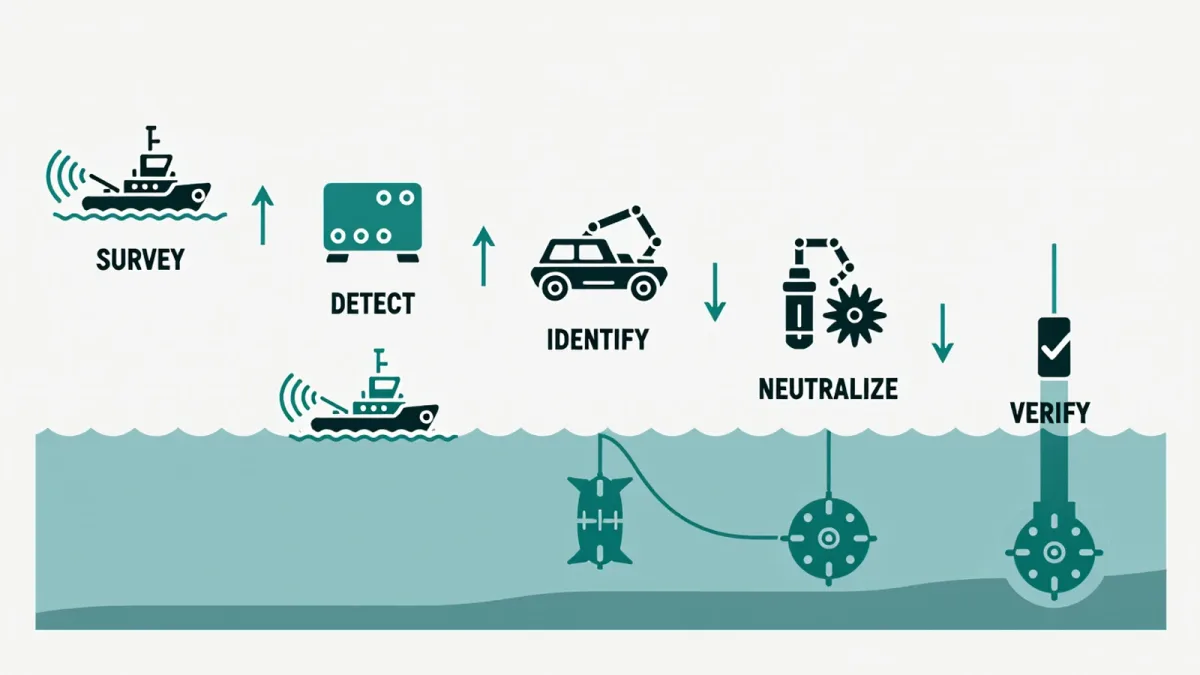
Countering sea mines once meant manned ships sweeping exposed water; the U.S. Navy now hunts them with sonar-carrying underwater vehicles and neutralizes them from helicopters.
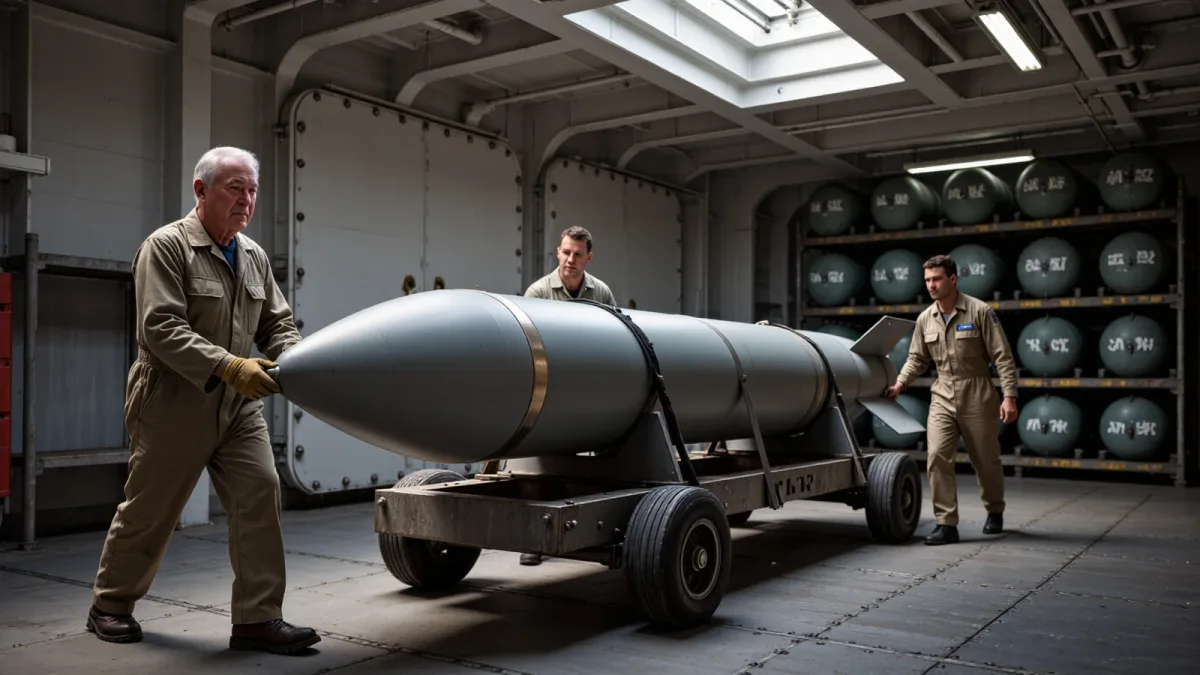
Five decades after its first flight, Tomahawk remains the U.S. Navy's long-range land-attack standard, now upgraded as Block V with new seeker options and growing export demand.
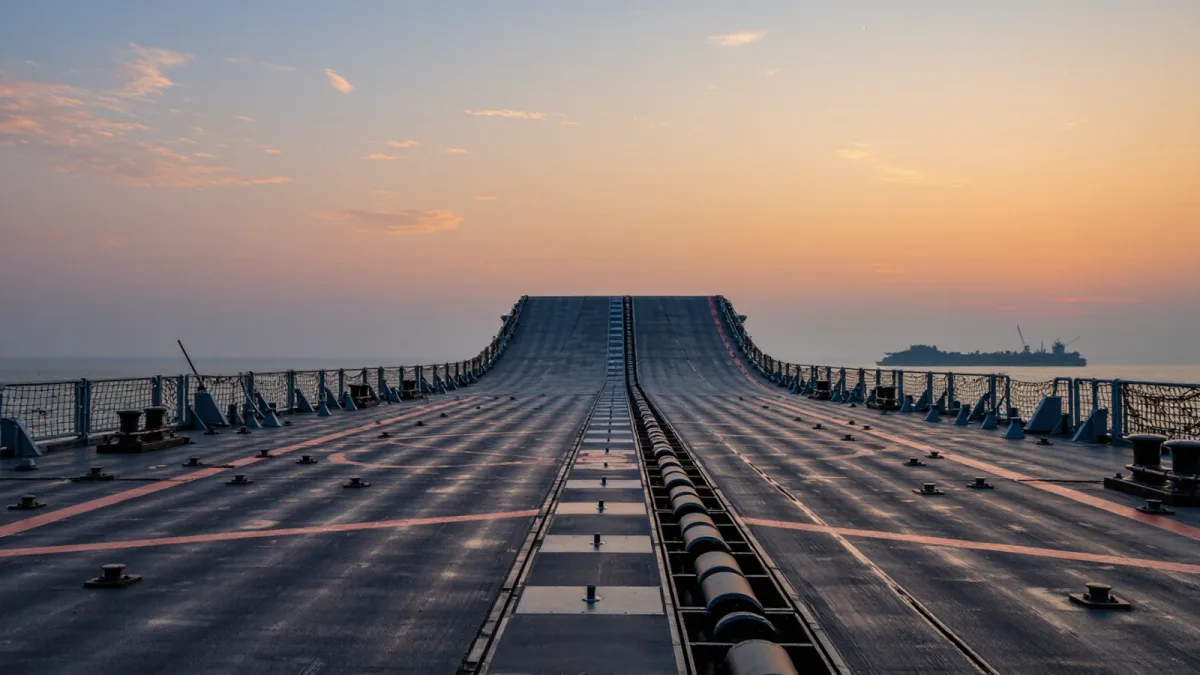
The Electromagnetic Aircraft Launch System uses a linear induction motor and stored electrical energy to fling aircraft off a deck, trading steam for precision control over the launch stroke.
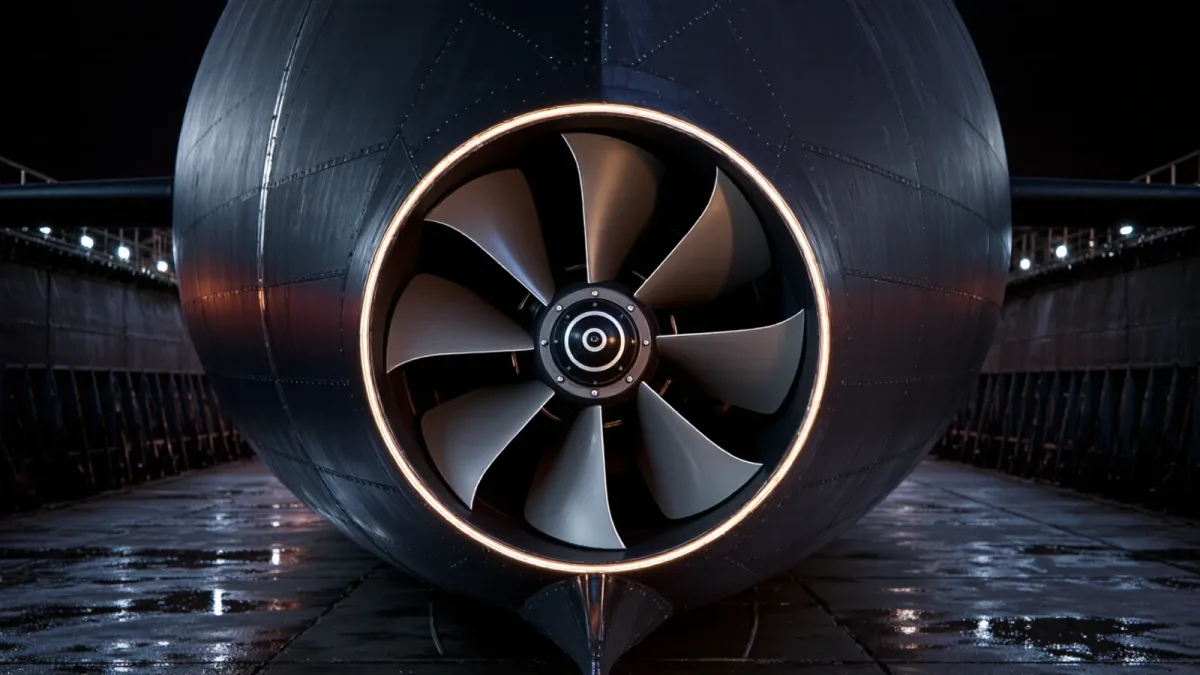
A submarine survives by not being heard, and every major design choice, from engine mounts to the propulsor, exists to keep its acoustic signature below the sea's own noise floor.
Aegis ties a ship's phased-array radar, computers, displays, and missiles into one air-defense system, and five decades after its first ship it also anchors U.S. and allied missile defense.