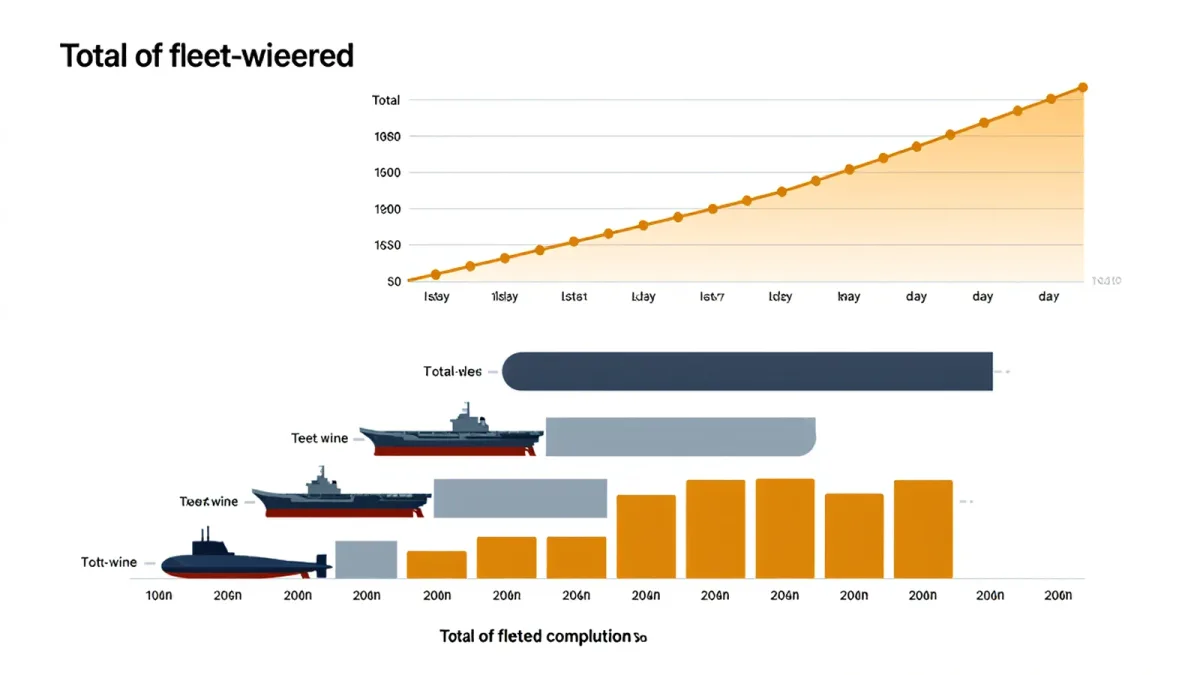
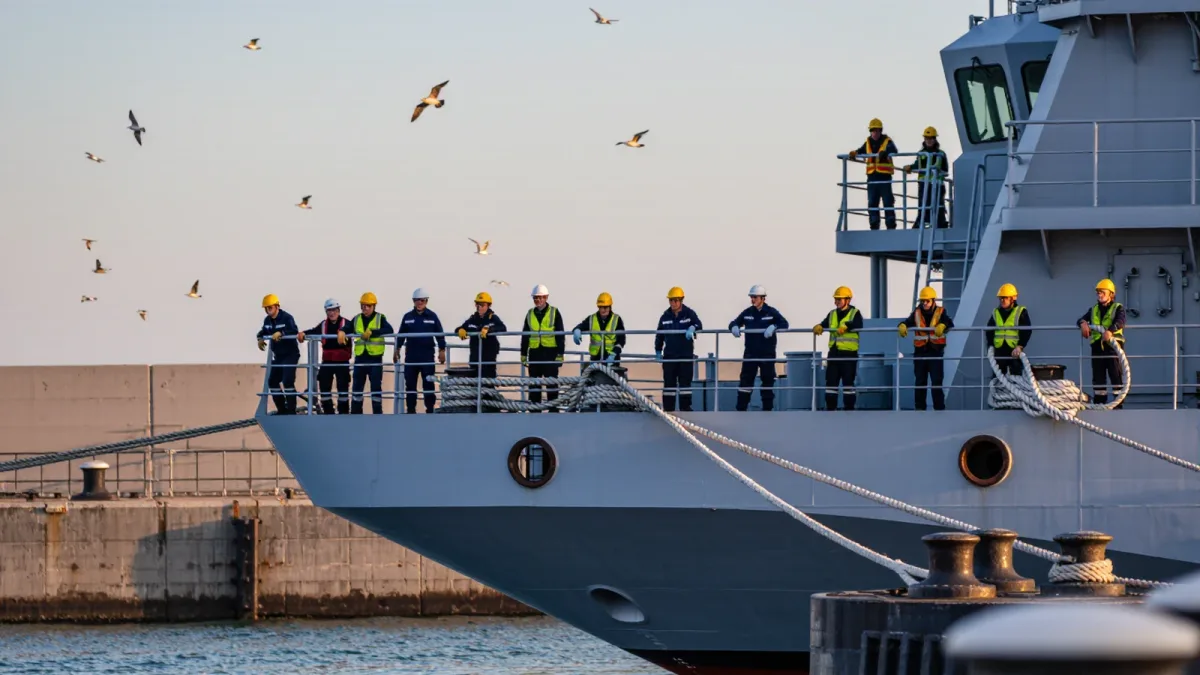
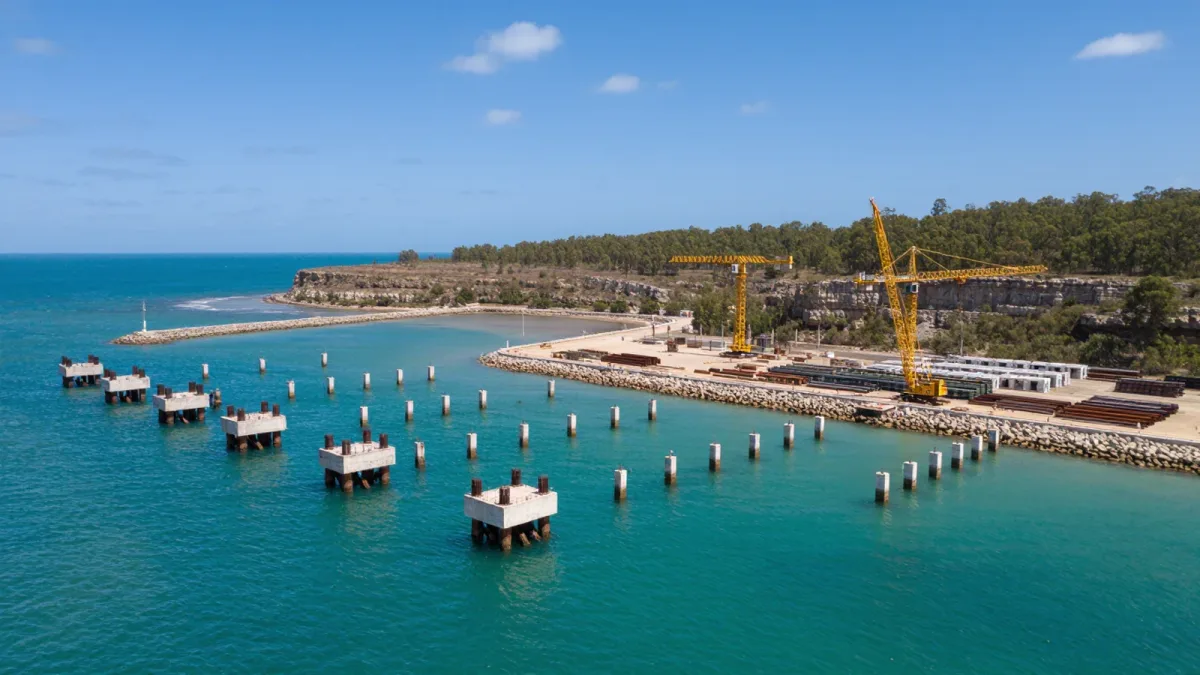
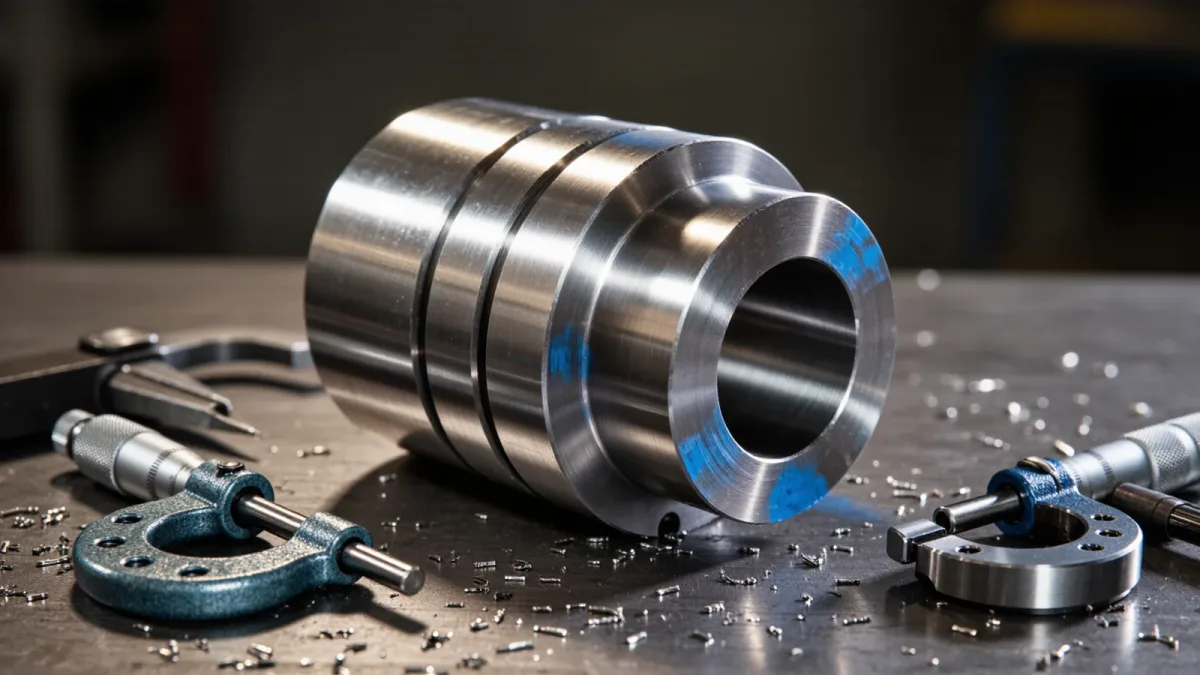
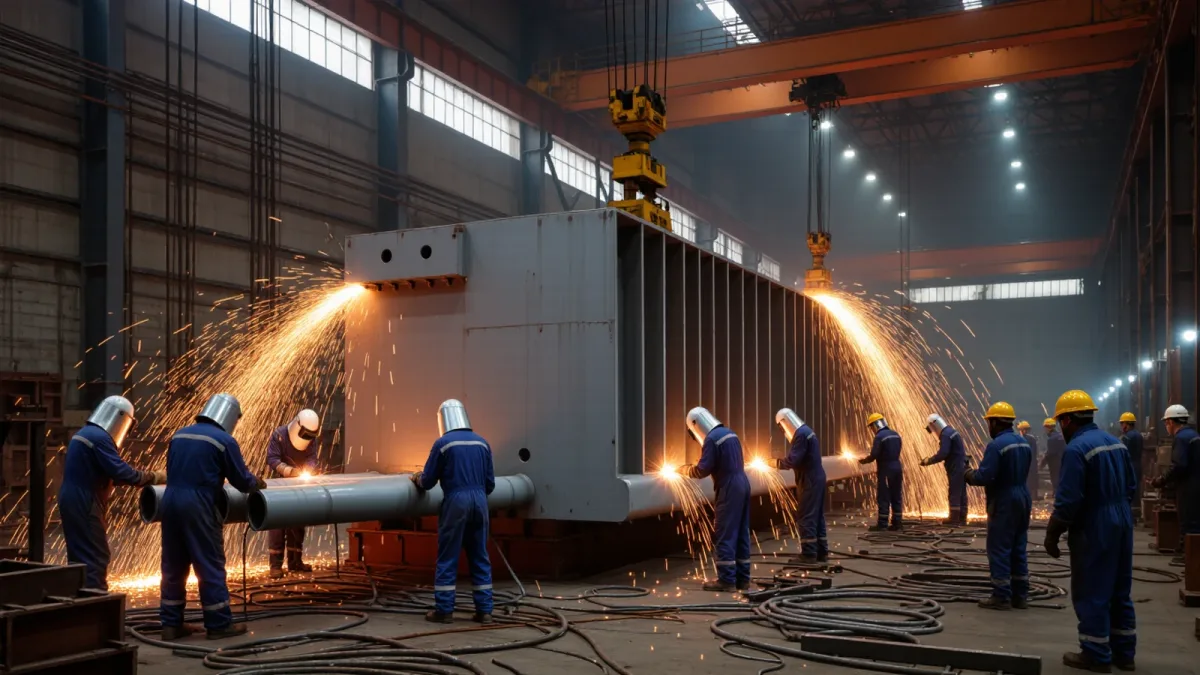
Shipbuilding covers the yards themselves: dock capacity, module construction, welding workforce, steel and component supply, repair throughput and program schedules. Reporting quantifies backlog and identifies exactly where delivery dates slip. Aimed at suppliers, yard management, procurement staff and analysts tracking the industrial capacity behind naval expansion plans.
Naval and commercial yards reported through capacity, workforce, steel supply, module sequencing and the slippage visible years before a delivery date.
Ship maintenance in the Navy is organized around scheduled availability periods at public and private shipyards, and successive GAO and Navy reports through 2024-2025 documented a persistent pattern of late starts, overruns, and an accumulating backlog that costs the fleet thousands of operating days.
LPD Flight II is the Navy's ongoing production run of San Antonio-class amphibious transport docks — LPD-29 onward — built solely at Ingalls Shipbuilding as the planned replacement for the retiring LSD-class dock landing ships.
SRF-West is the first AUKUS phase: U.S. Virginia-class submarines rotating through HMAS Stirling from 2027, backed by an 8-billion-AUD base expansion and Australia's own submarine shipbuilding path.
The Navy's submarine industrial base investment — more than $2 billion across fiscal 2023 and 2024 and expanded by the April 2024 supplemental — funds suppliers, workforce, and facilities that must sustain Columbia and Virginia construction at the same time.
The SHIPS for America Act, introduced in December 2024 and reintroduced in April 2025, bundles tax, financing, workforce, and cargo-preference measures aimed at reversing the near-total decline of the U.S. commercial shipbuilding and shipping industry.
Ingalls Shipbuilding in Pascagoula, Mississippi is the Navy's sole builder of large-deck America-class LHA carriers and San Antonio-class LPD transports, assembling them from modular blocks while Congress and the Navy debate the size of the amphibious fleet.