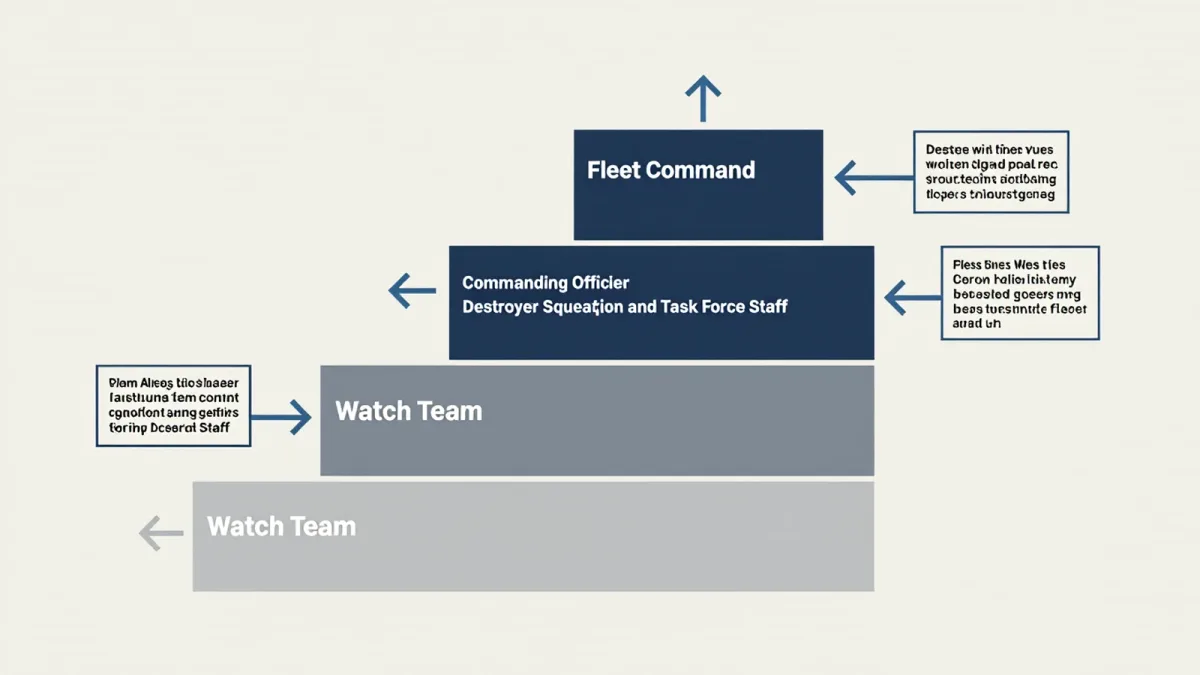
The Navy's accountability system reaches from deckplates to fleet command: the 2017 Pacific Fleet collisions produced relief of commanding officers, a fleet commander, and staff admirals, alongside nonjudicial punishment for dozens of sailors.
The law of naval warfare has governed the capture of merchant ships for centuries, and its machinery of prizes, prize courts, and prize money is dormant in American practice but never repealed in principle.
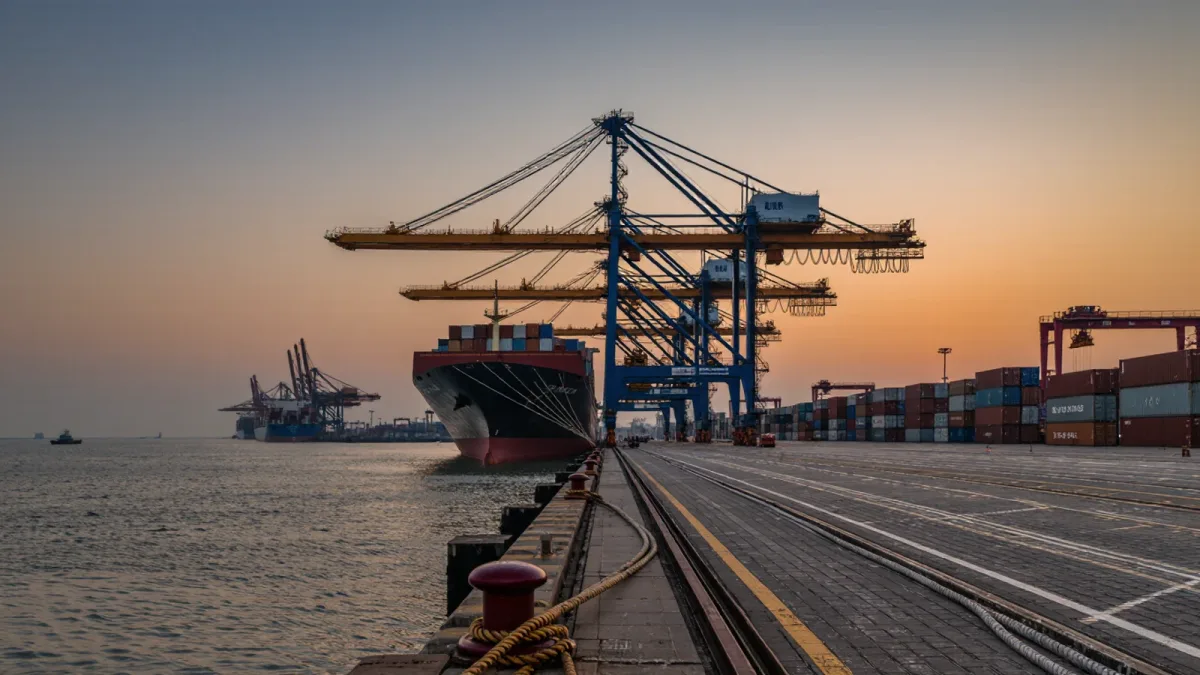
Nearly all U.S. military equipment moves to a contested theater by sea, and the policy architecture that makes that possible rests on a shrinking commercial fleet, a government surge fleet, and a mariner workforce that watchdogs say is too small.
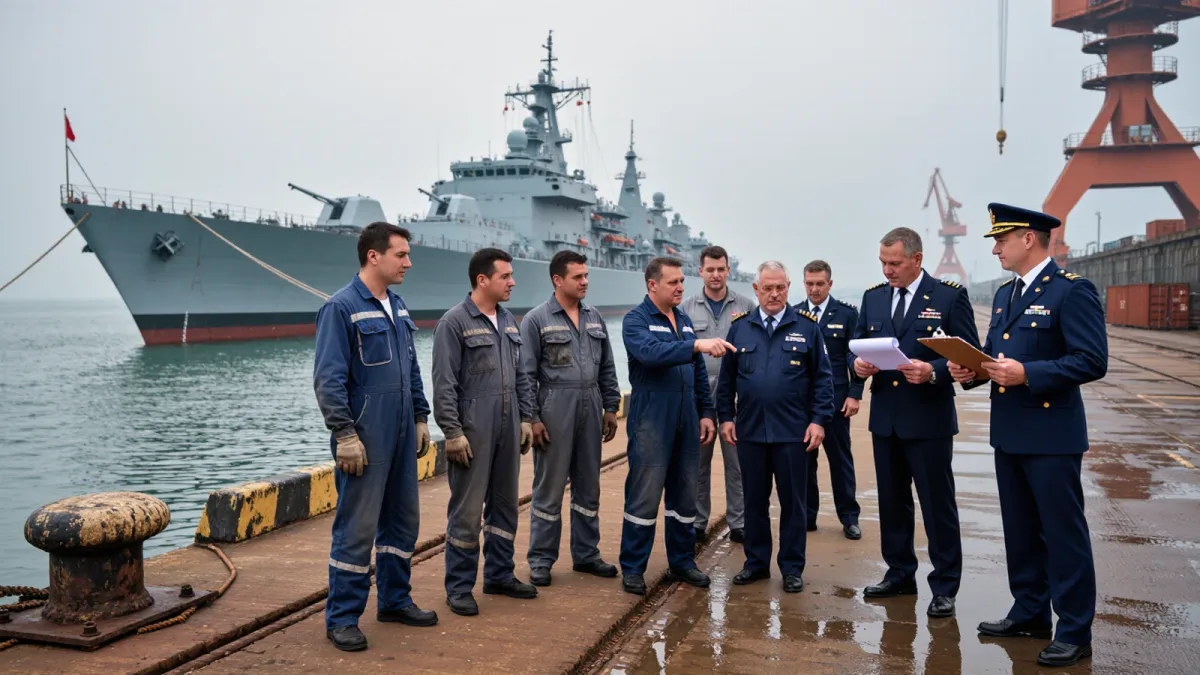
When a U.S. warship collides with another vessel, at least three parallel investigations begin within days, and their findings move on separate administrative, safety, and civil tracks.
The United States keeps two military sea services with sharply different peacetime jobs, and statute moves the Coast Guard into the Department of the Navy when the President or Congress sends the country to war.
When a warship no longer fits U.S. needs, the Excess Defense Articles program can hand it to an allied navy at grant cost or a nominal price, turning a pending scrapyard visit into a partner fleet capability.