Flag State Responsibility: Who Answers for a Ship at Sea
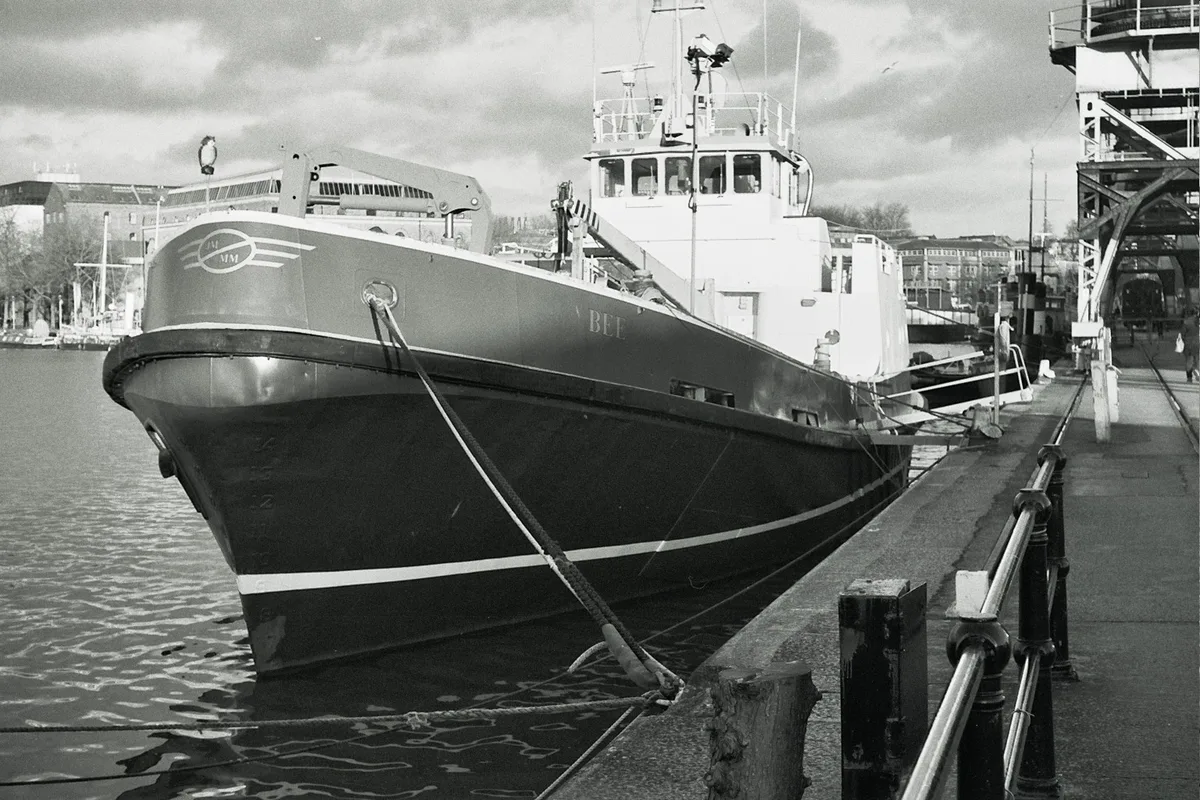
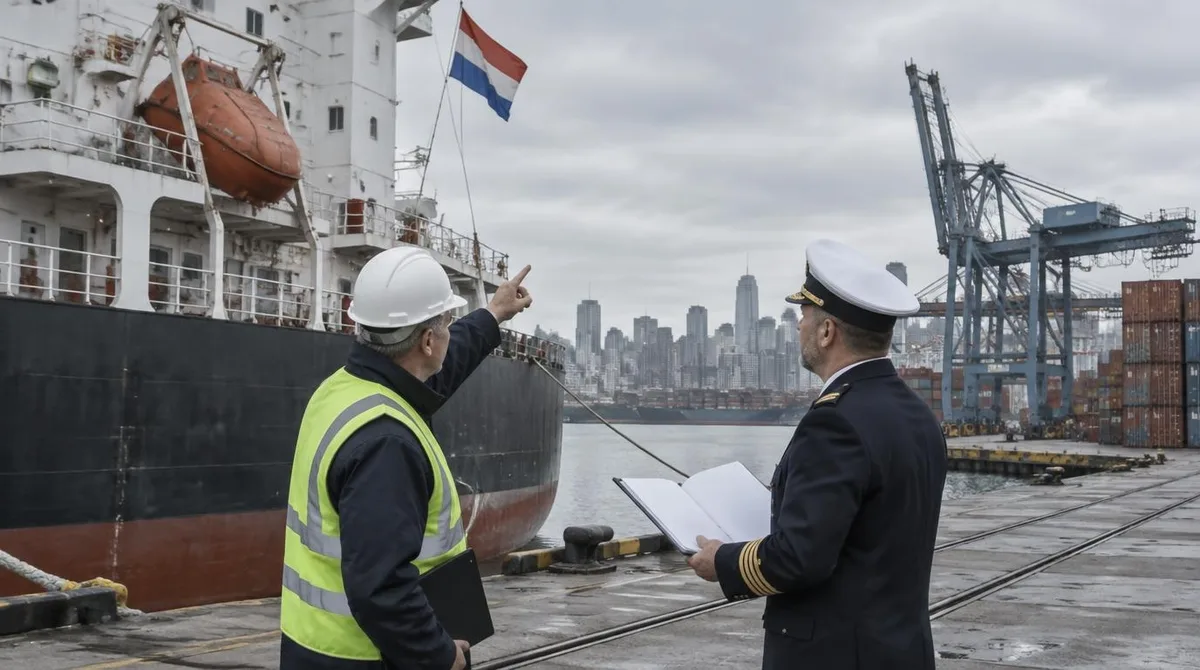
The flag state answers for a ship's registry, surveys, crew papers, and casualties under UNCLOS Article 94. Open registries carry most tonnage, so port state control serves as the backup.
The flag state answers for a ship's registry, surveys, crew papers, and casualties under UNCLOS Article 94. Open registries carry most tonnage, so port state control serves as the backup.
Three types of marine cover decide which routes stay open, and which ships stay in port.

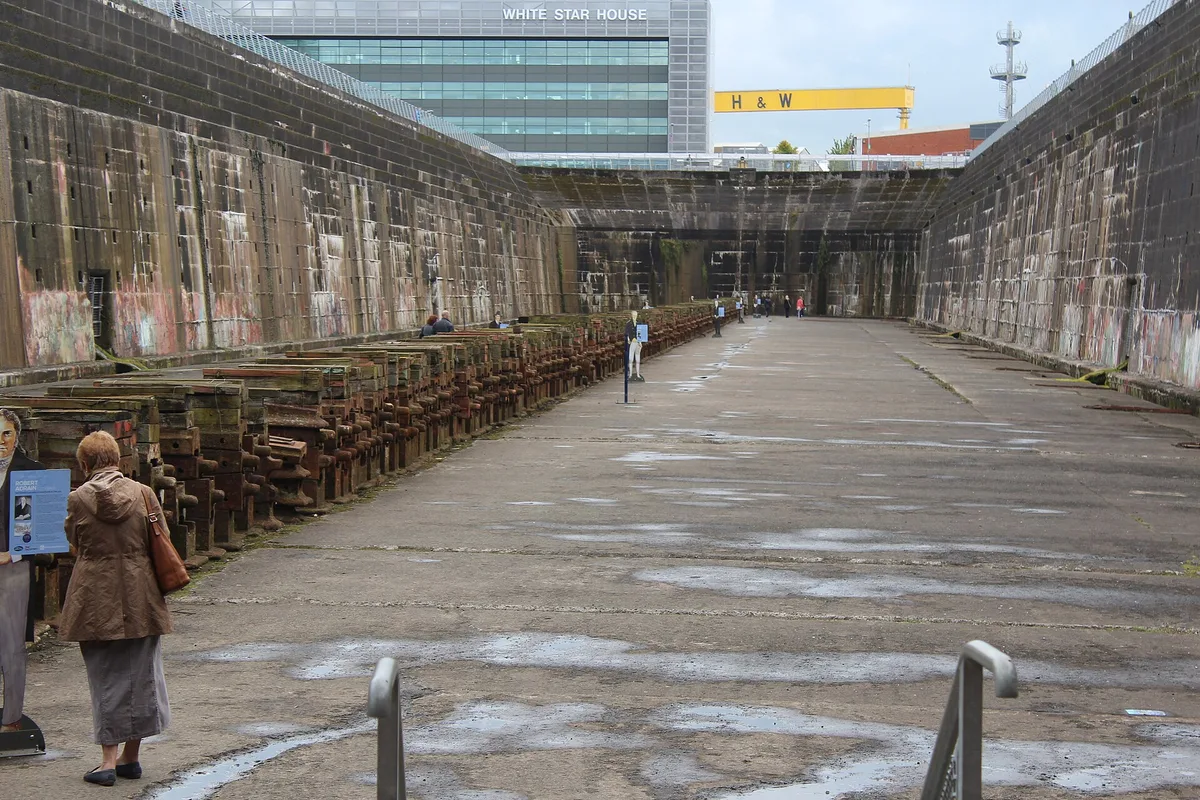
How a ship is lifted clear of the sea, what workers inspect and fix while it sits on blocks, and why the docking cycle shapes both navy budgets and shipyard order books.

Civilian crews, commercial ships, and government sealift form the supply line that military operations depend on.

A directory-style guide to the agencies that govern safety, customs, and navigation, and how their duties divide.

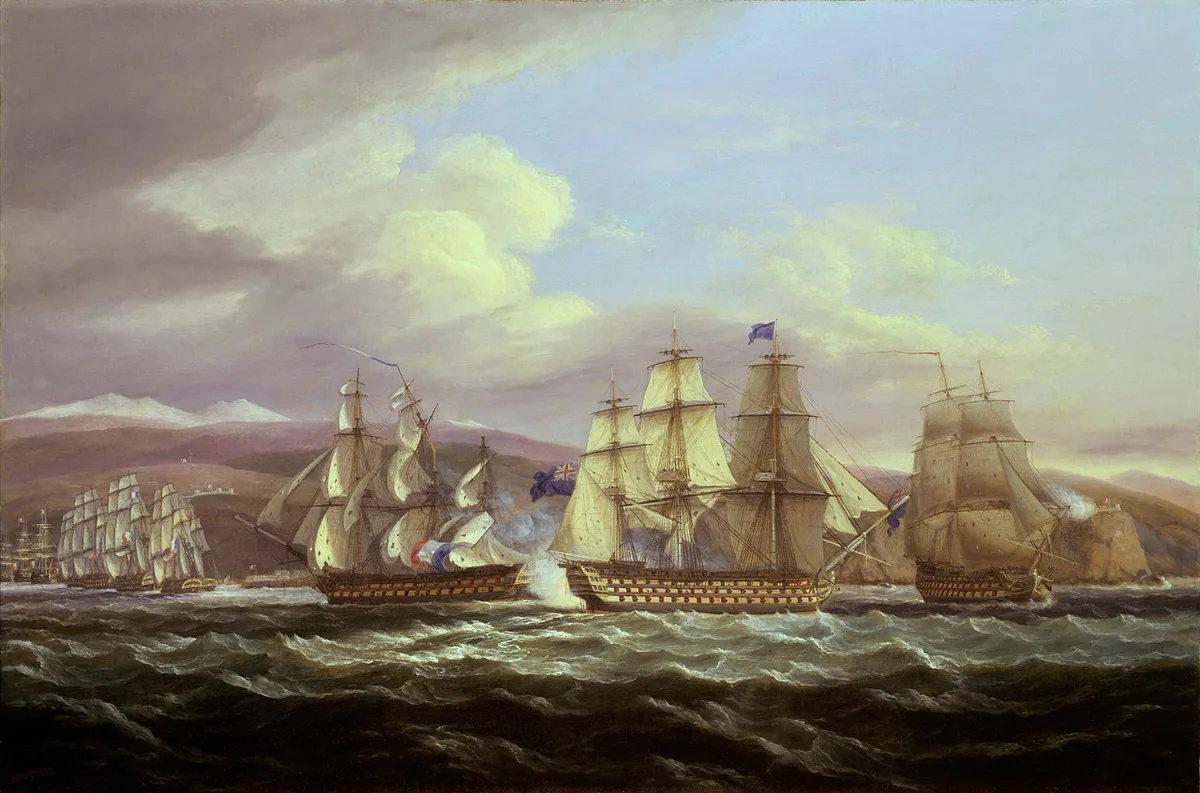
From the Royal Navy's close blockade of France to the World Wars, blockades have shaped conflicts and tested the law of neutrality. Here is how they work and when they succeed.

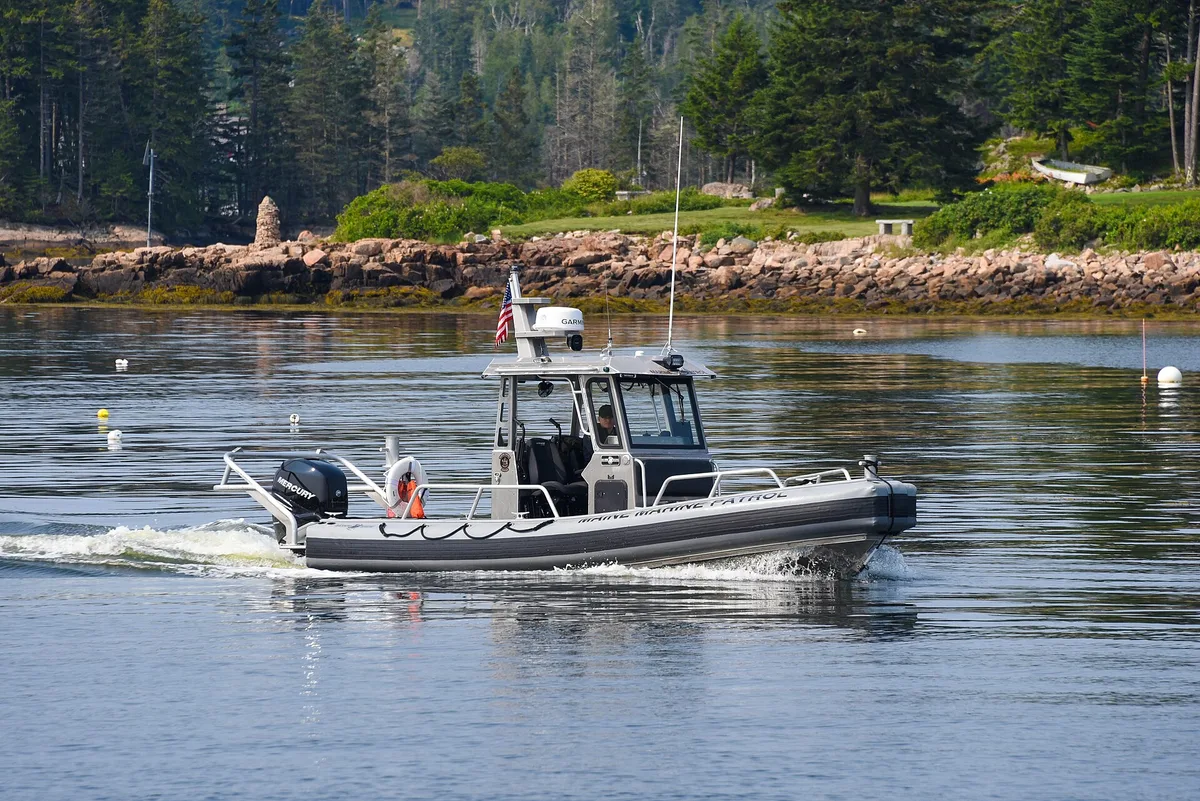
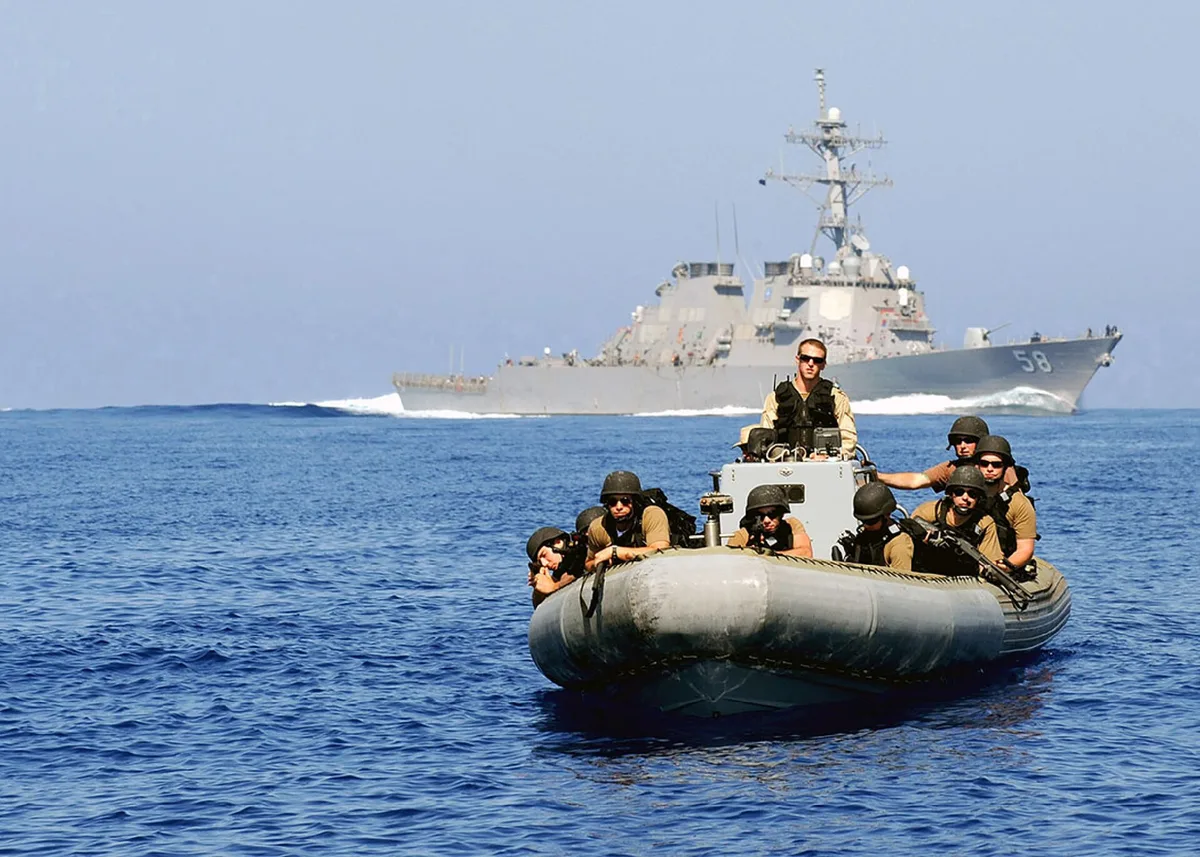
Why the humble patrol boat is the most common warship afloat: the types, the daily coast-guarding jobs, what they carry, and the small-ship comeback.

A warship that sails home to resupply is a warship that leaves its post. Underway replenishment lets navies move fuel, food, and ammunition between ships at sea.

A dated guide to the waters where attacks still happen, what drives them, and the defenses crews and owners now rely on.