Topic
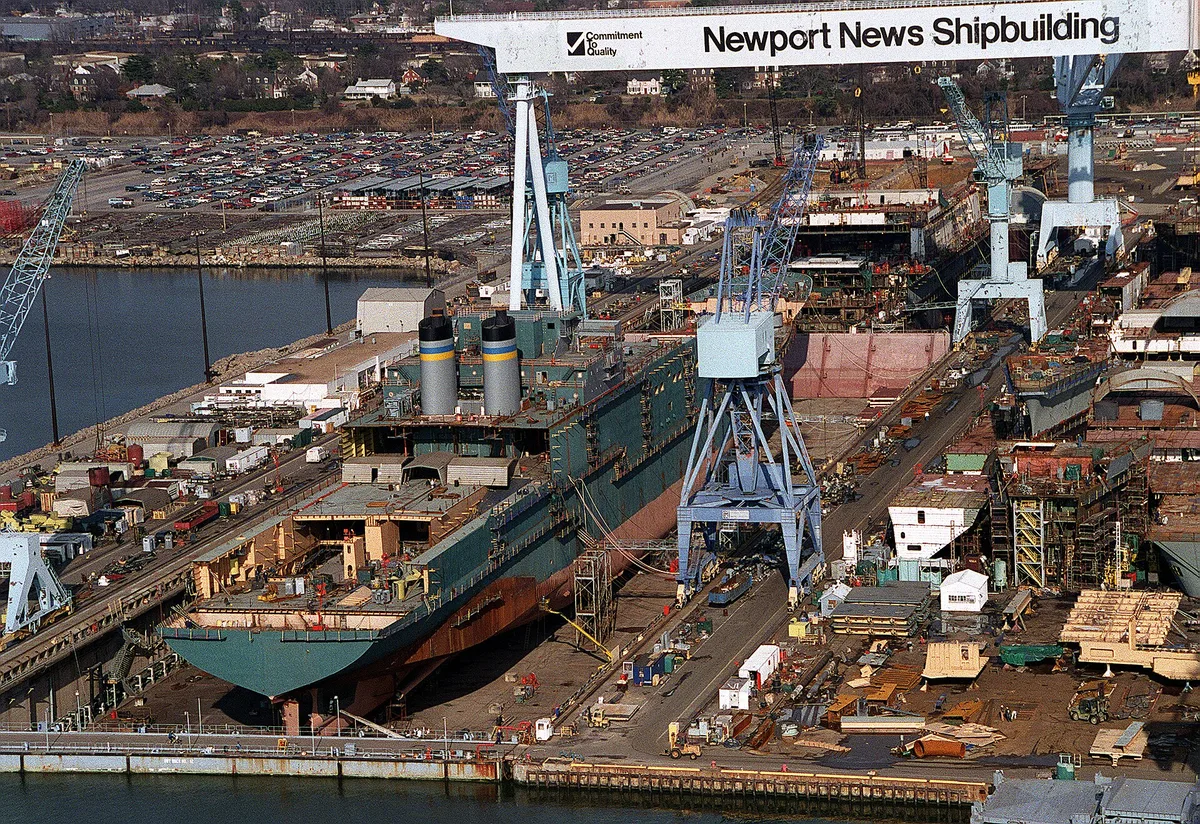
Modular Shipbuilding: Why Navies Build Warships in Blocks
Prefab sections, common hulls and parallel work changed how a warship goes together.
Prefab sections, common hulls and parallel work changed how a warship goes together.
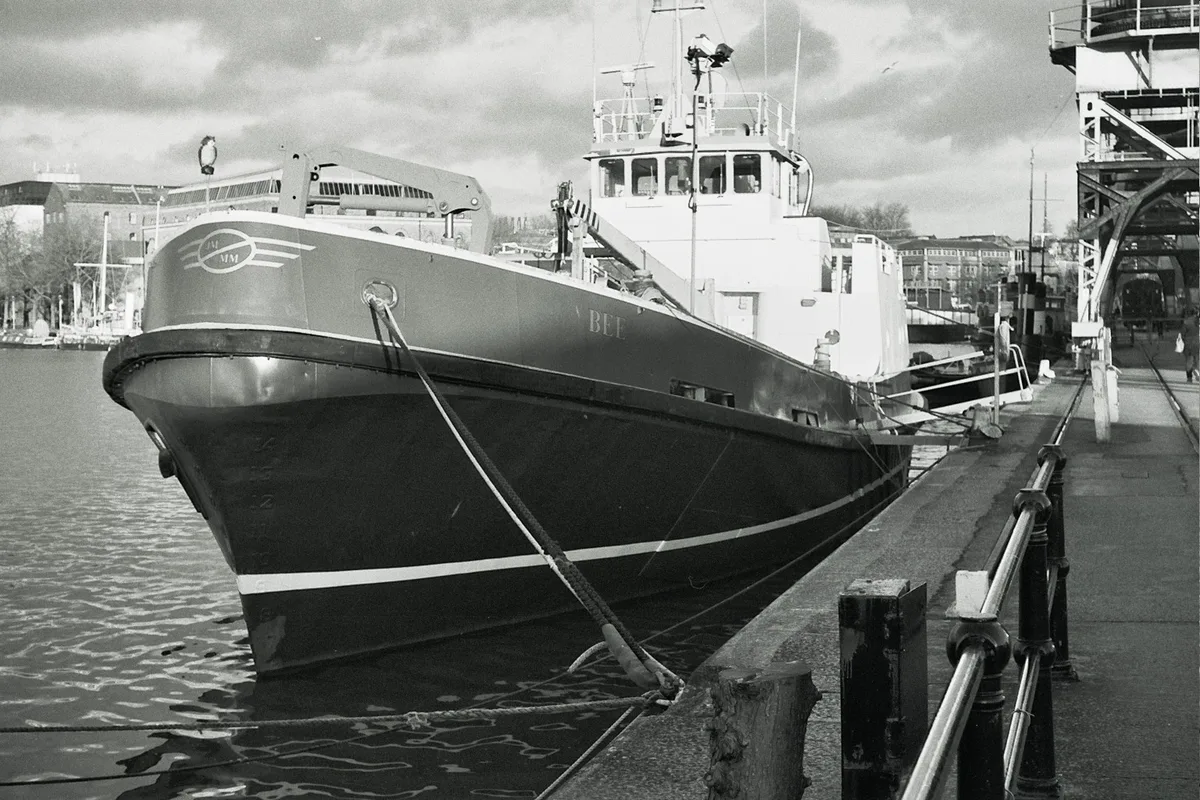
A directory-style guide to the agencies that govern safety, customs, and navigation, and how their duties divide.
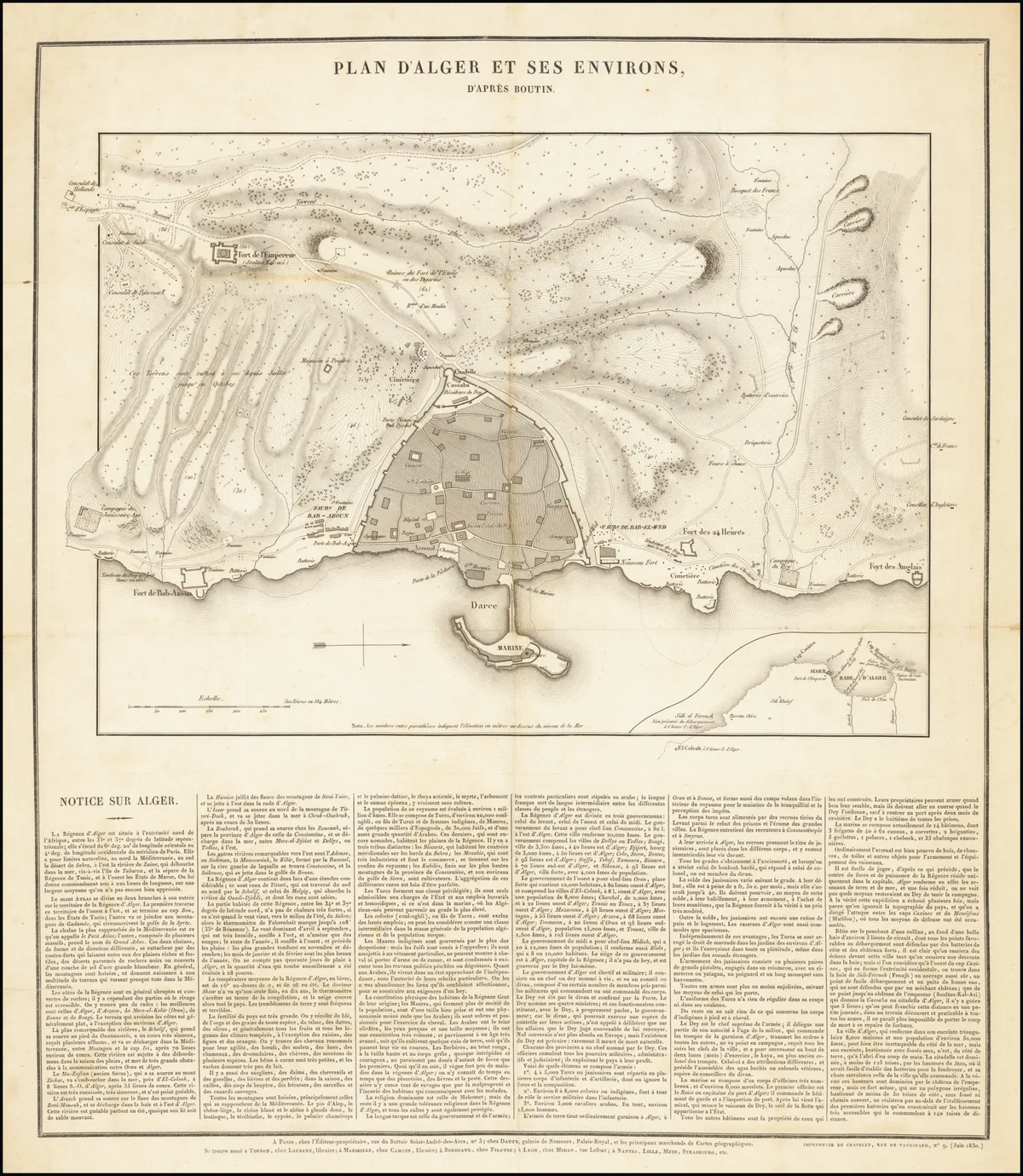
From interwar tonnage treaties to modern transparency accords, what naval arms control achieved, and why it faded.
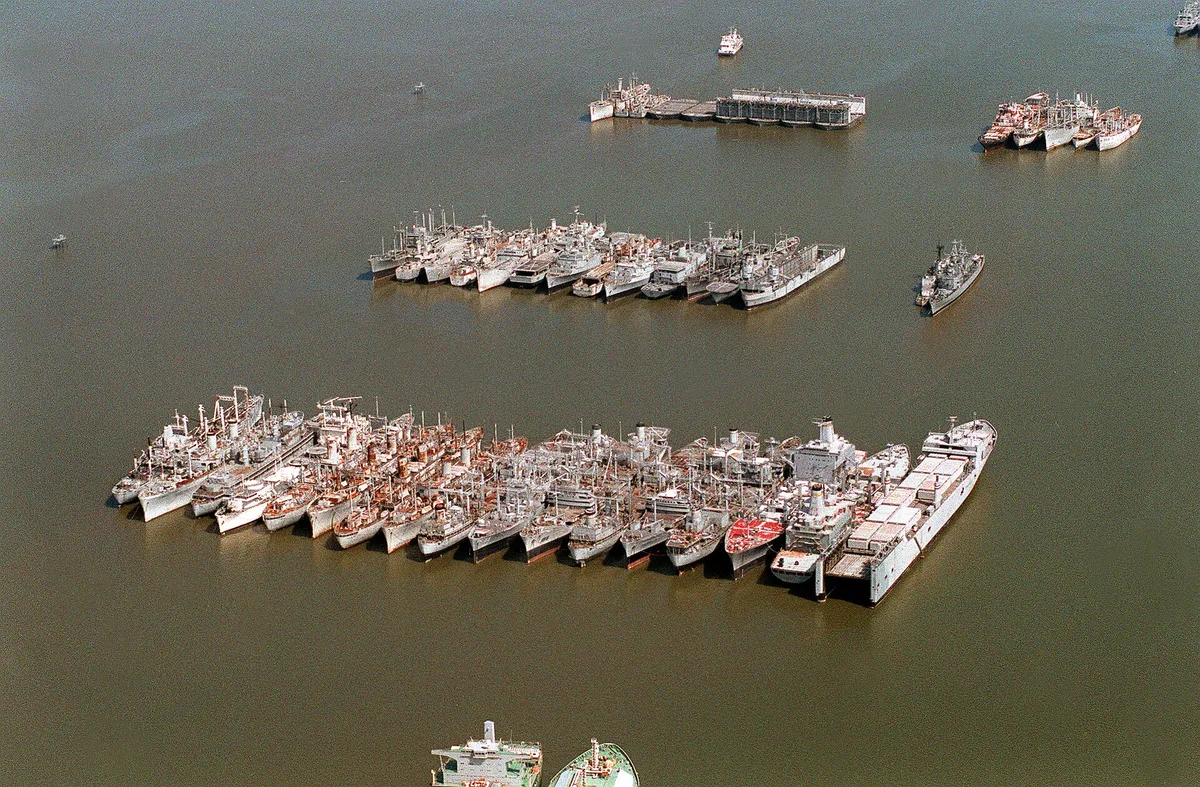
Retired ships do not always go straight to the scrapyard. Reserve fleets keep mothballed hulls preserved for years, ready to be reactivated in a crisis.
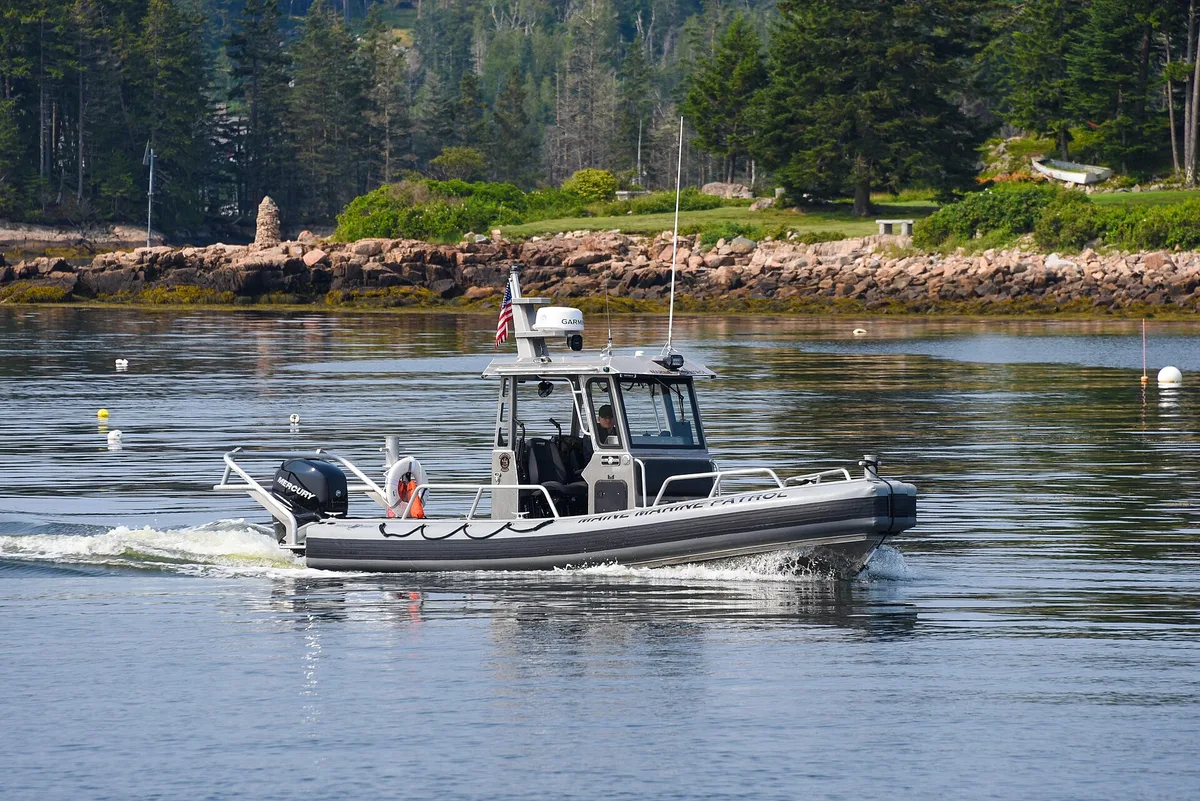
Why the humble patrol boat is the most common warship afloat: the types, the daily coast-guarding jobs, what they carry, and the small-ship comeback.

A plain-English guide to navy ranks: what the insignia on a sleeve mean, how rank sets pay and duty, and why every fleet still runs on a ladder of command.
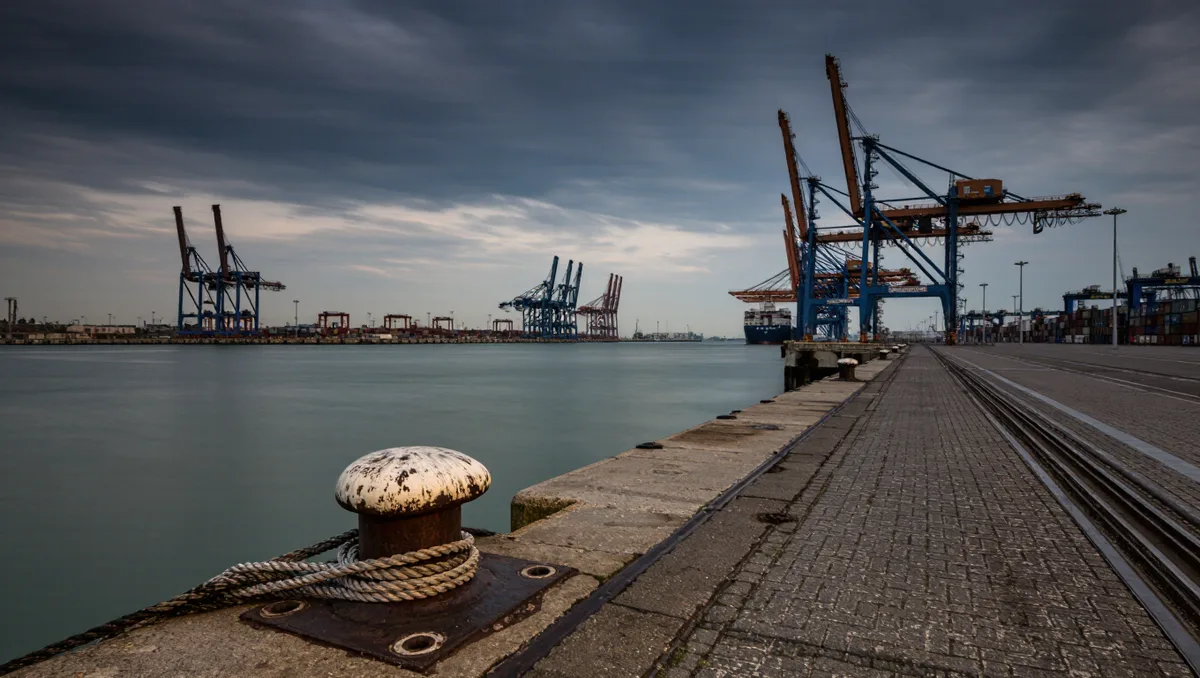
The purchase price is the smallest line in a ship's ledger. Support, upgrades and disposal follow for decades.
What sails in a US amphibious ready group: the three ship types, the Marines and aircraft aboard, and the missions from disaster relief to major war.
A warship that sails home to resupply is a warship that leaves its post. Underway replenishment lets navies move fuel, food, and ammunition between ships at sea.
Three routes lead to the same commission. The differences are cost, time, and when the Navy takes control of a candidate's life.