Flag State Responsibility: Who Answers for a Ship at Sea
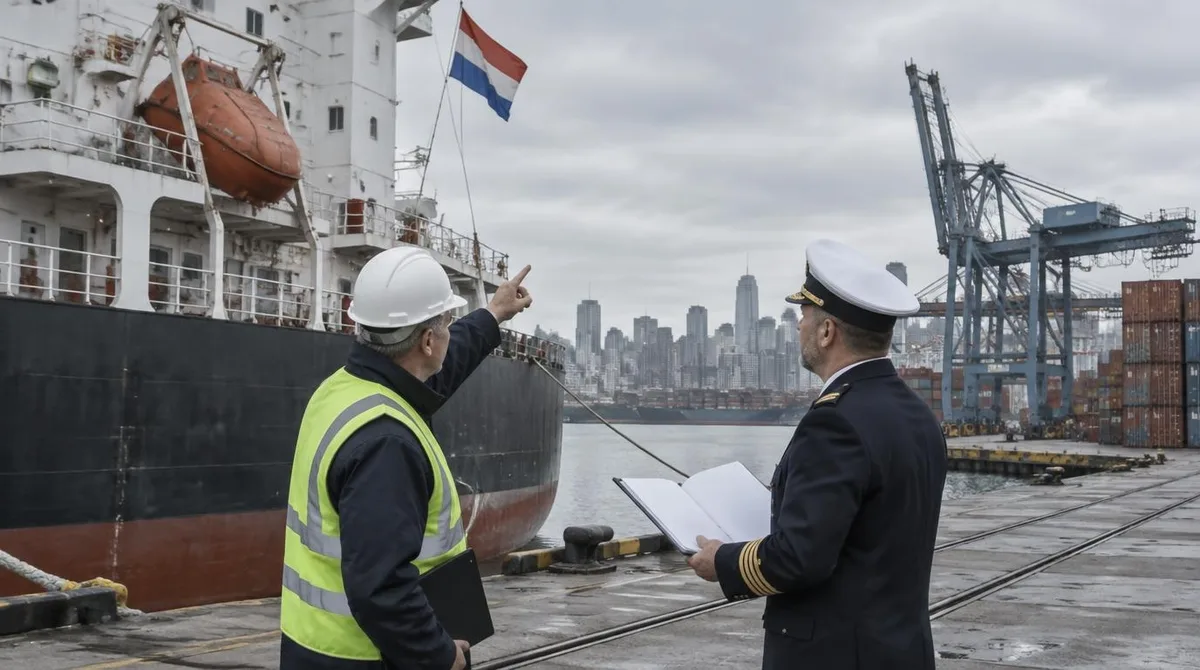
The flag state answers for a ship's registry, surveys, crew papers, and casualties under UNCLOS Article 94. Open registries carry most tonnage, so port state control serves as the backup.
The flag state answers for a ship's registry, surveys, crew papers, and casualties under UNCLOS Article 94. Open registries carry most tonnage, so port state control serves as the backup.

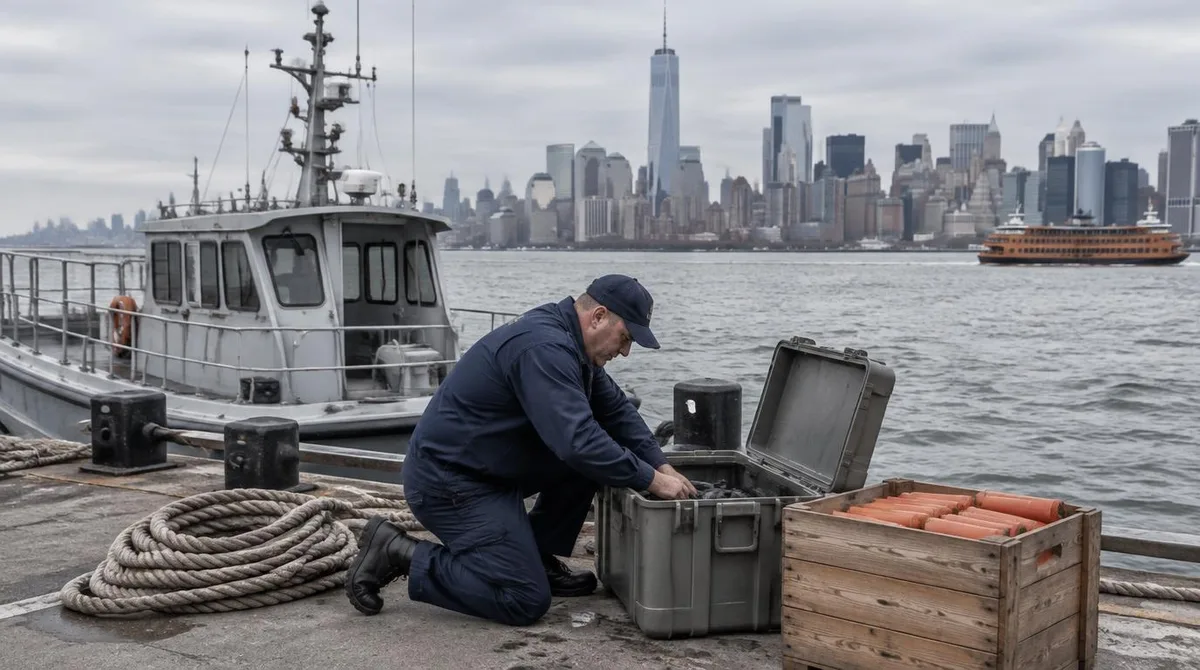
A short federal statute and long state memories keep state naval militias on the books, from New York's 1891 muster to today's disaster-response forces.

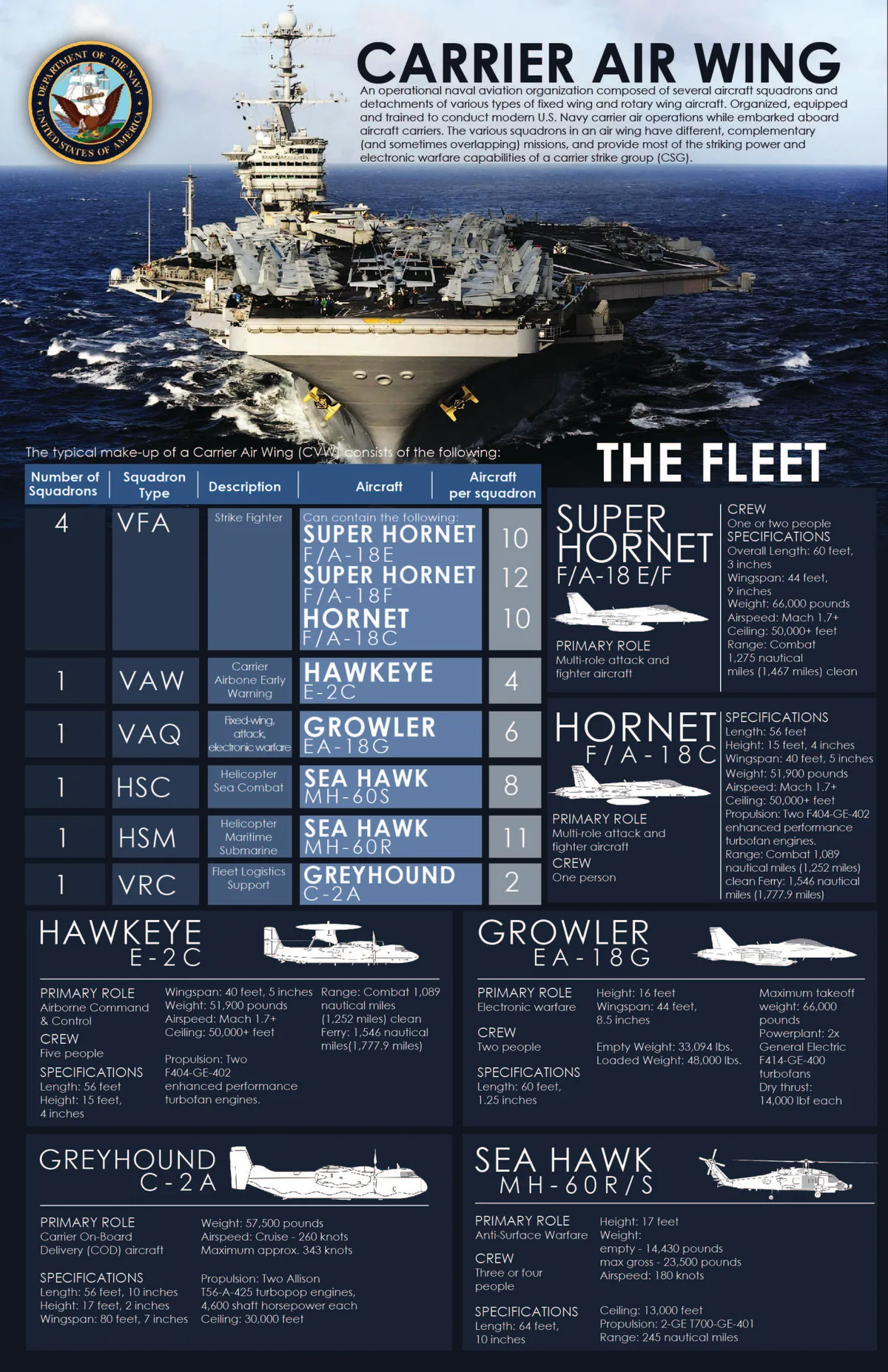
One F-35C squadron, three Super Hornet squadrons, a Growler unit, an E-2D unit, and helicopters: how the Navy assembles a carrier air wing for a deployment.

The IMO's fuel and emissions rules now steer hull design and fuel supply for the world merchant fleet. A guide to MARPOL measures, the 2023 strategy, and the Net-Zero Framework.

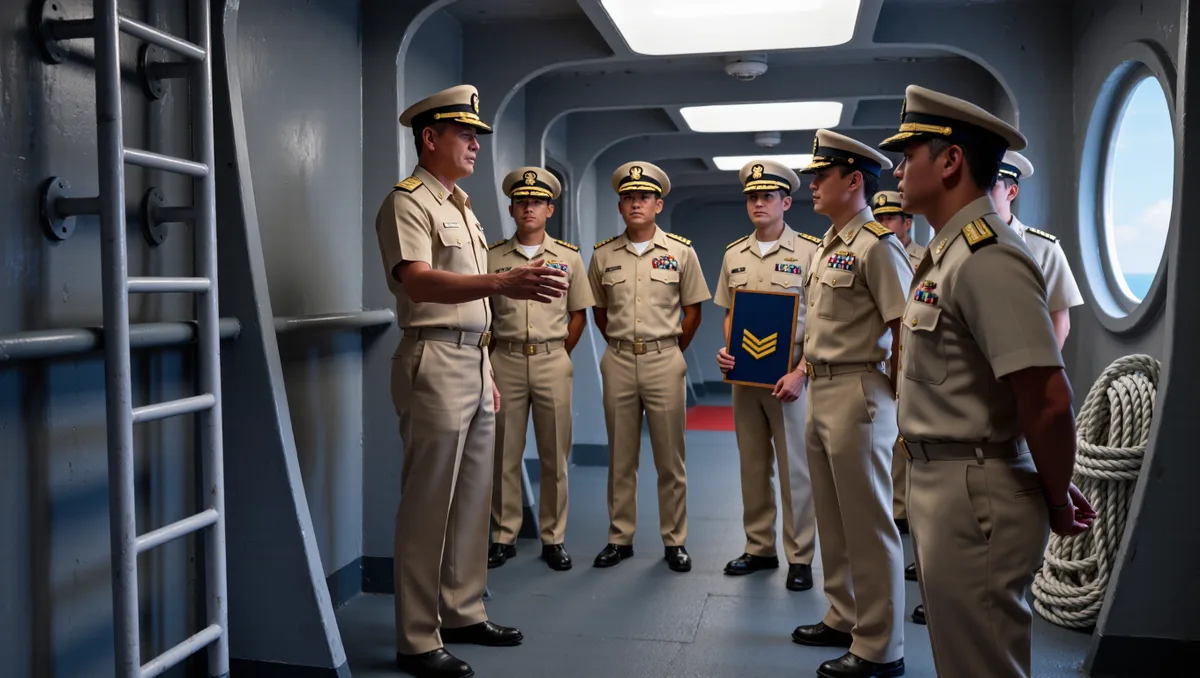
A documentary guide to the Navy rank ladder, from seaman recruit and ensign through master chief and admiral, with pay grades and insignia explained tier by tier.

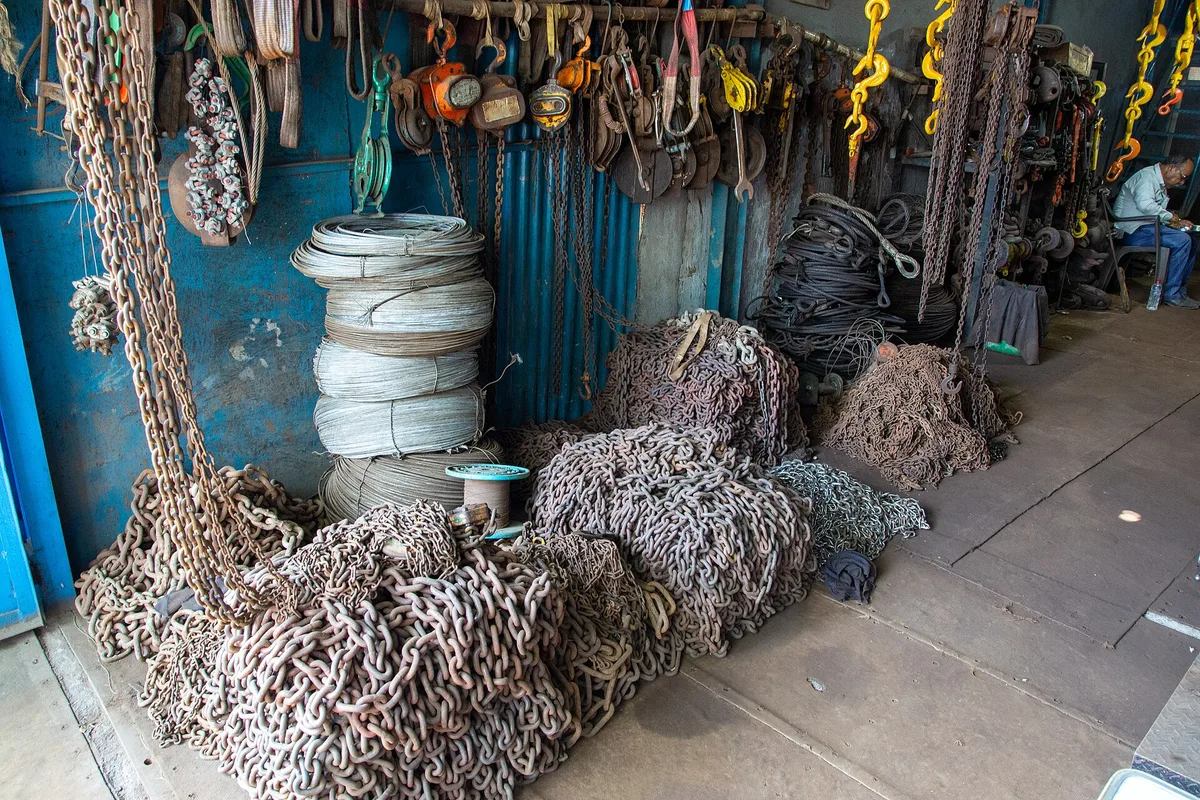
End-of-life tonnage moves through a cash market shaped by scrap steel prices, labor costs, and regulation.

How a ship is lifted clear of the sea, what workers inspect and fix while it sits on blocks, and why the docking cycle shapes both navy budgets and shipyard order books.

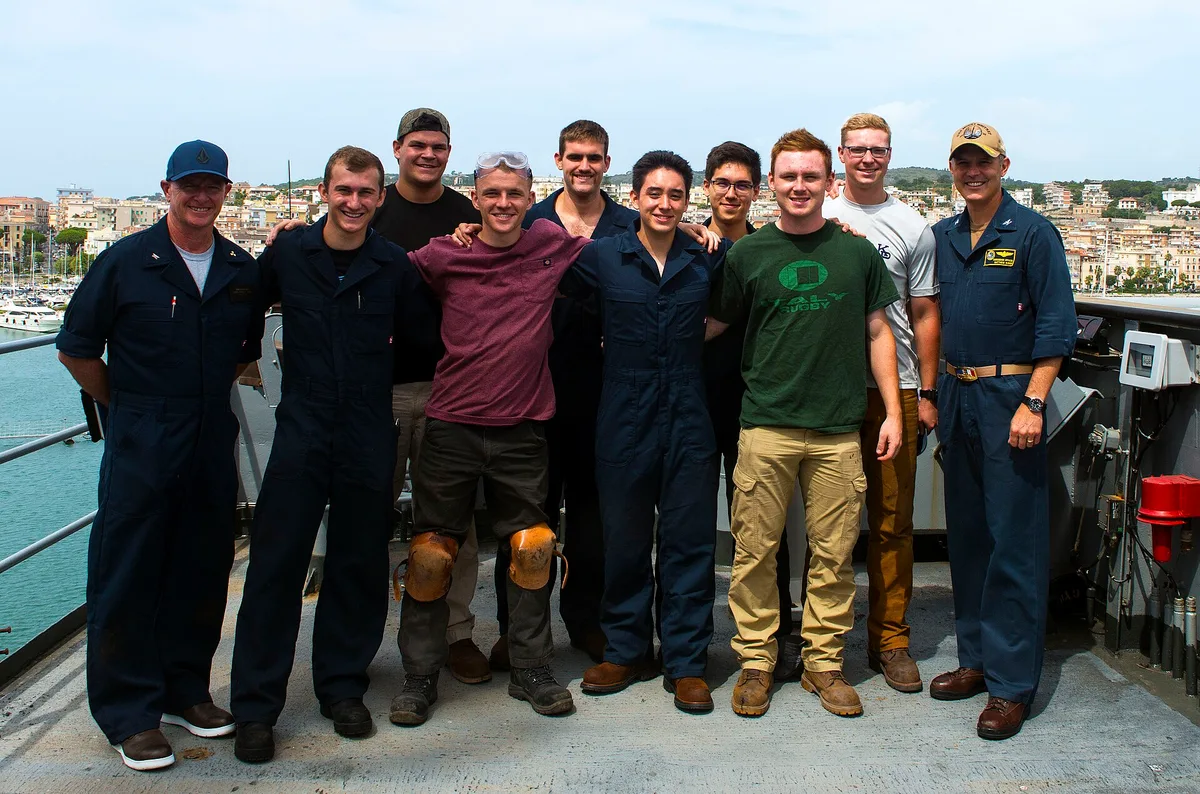
Civilian crews, commercial ships, and government sealift form the supply line that military operations depend on.

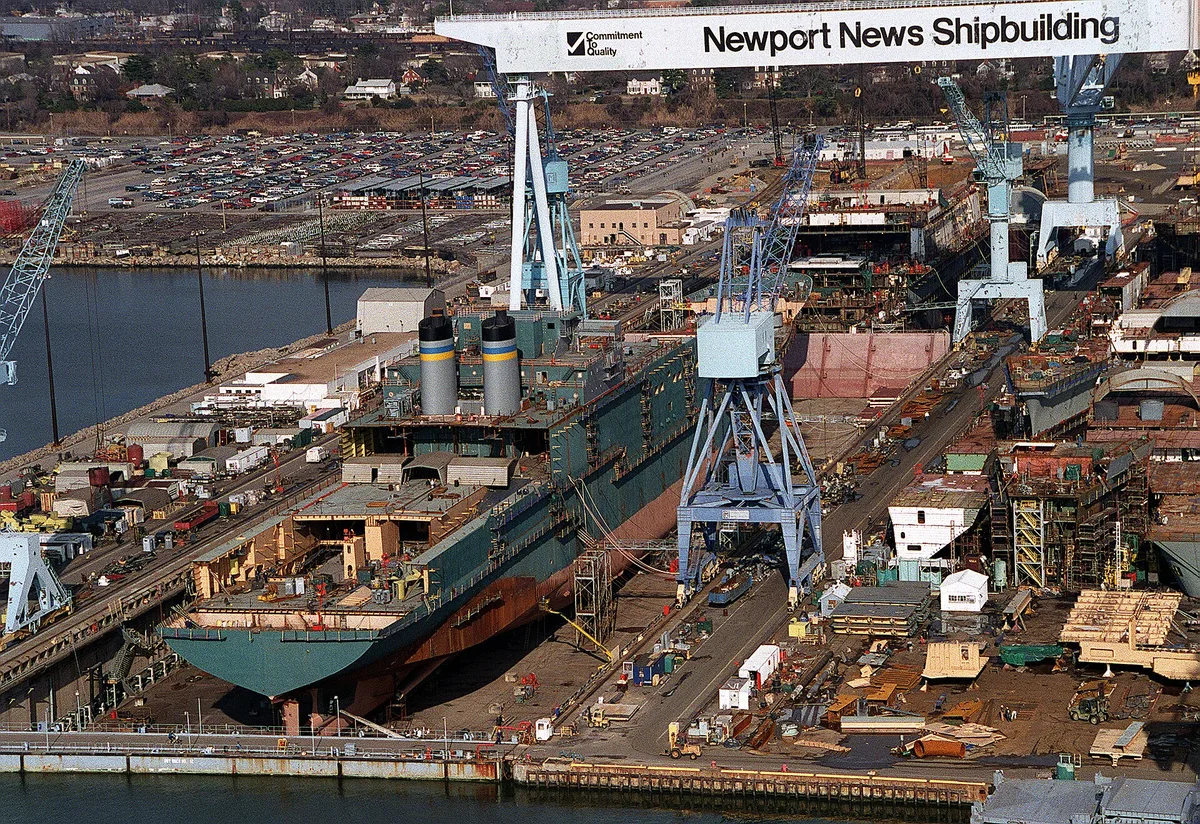
Prefab sections, common hulls and parallel work changed how a warship goes together.

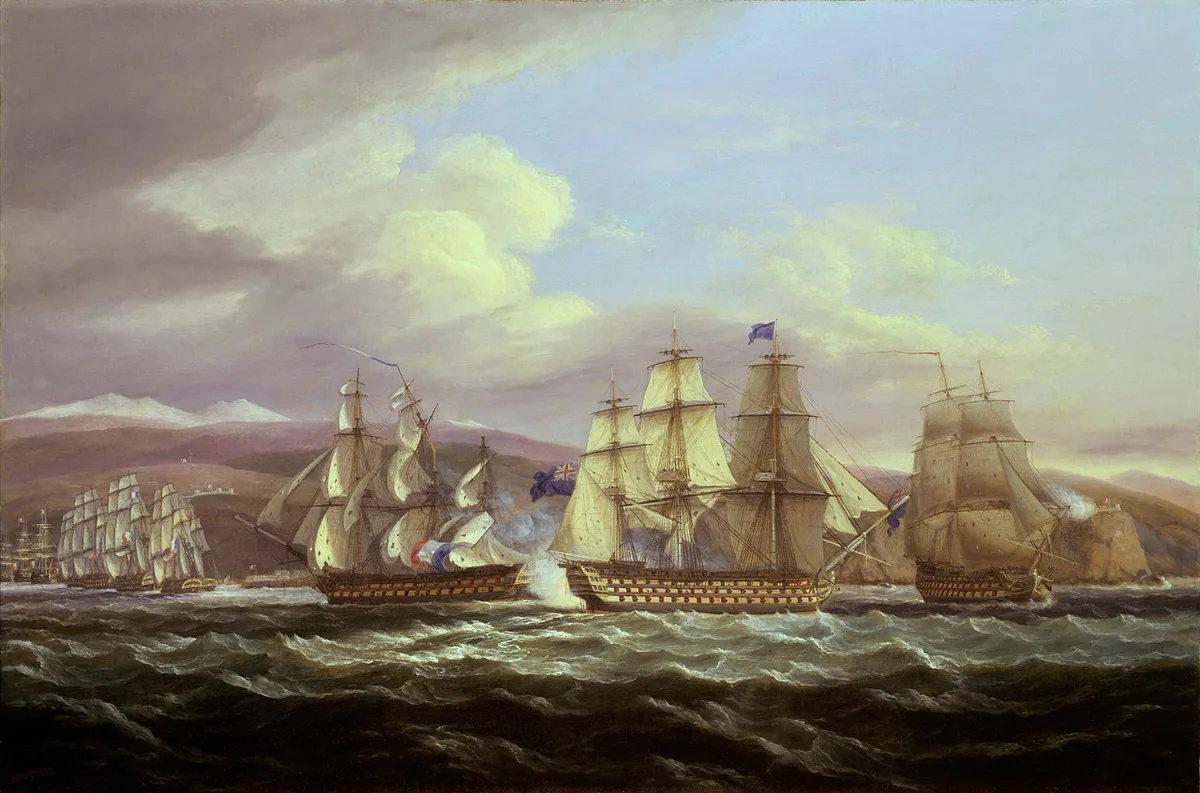
From the Royal Navy's close blockade of France to the World Wars, blockades have shaped conflicts and tested the law of neutrality. Here is how they work and when they succeed.