Topic
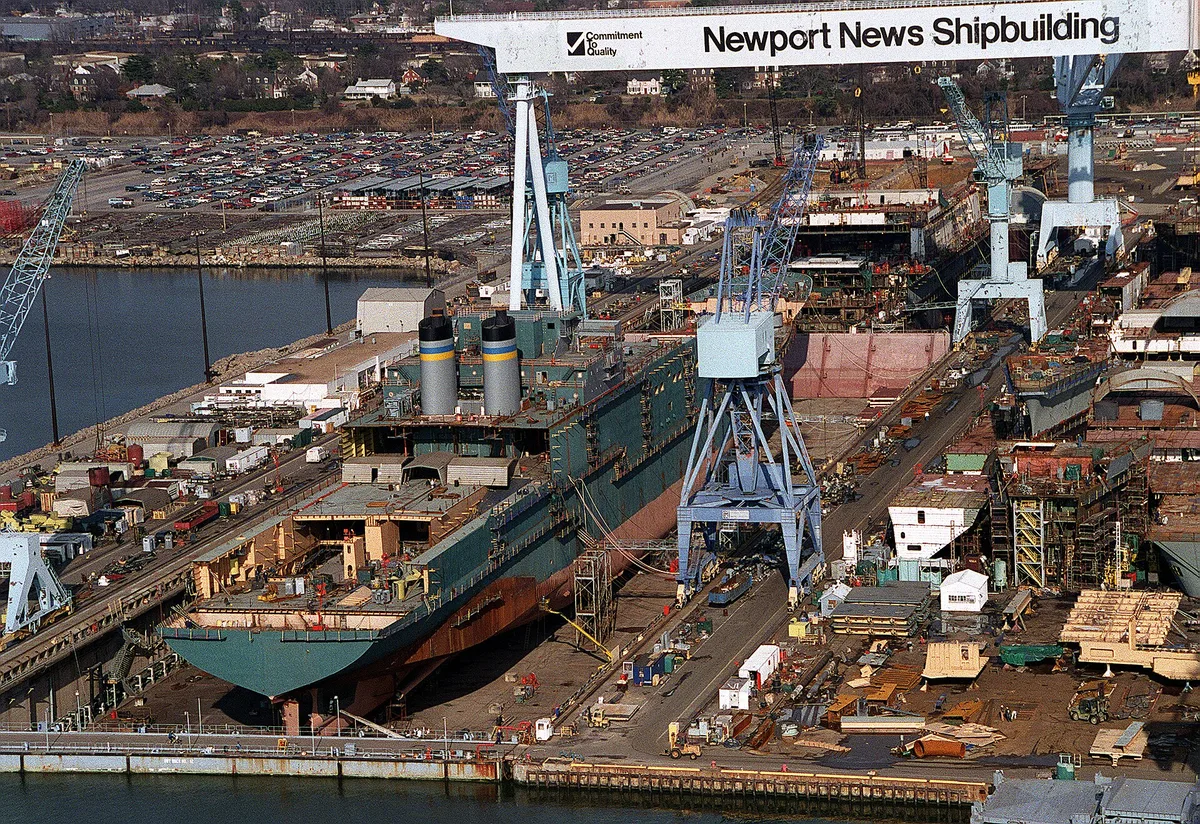
Modular Shipbuilding: Why Navies Build Warships in Blocks
Prefab sections, common hulls and parallel work changed how a warship goes together.
Prefab sections, common hulls and parallel work changed how a warship goes together.
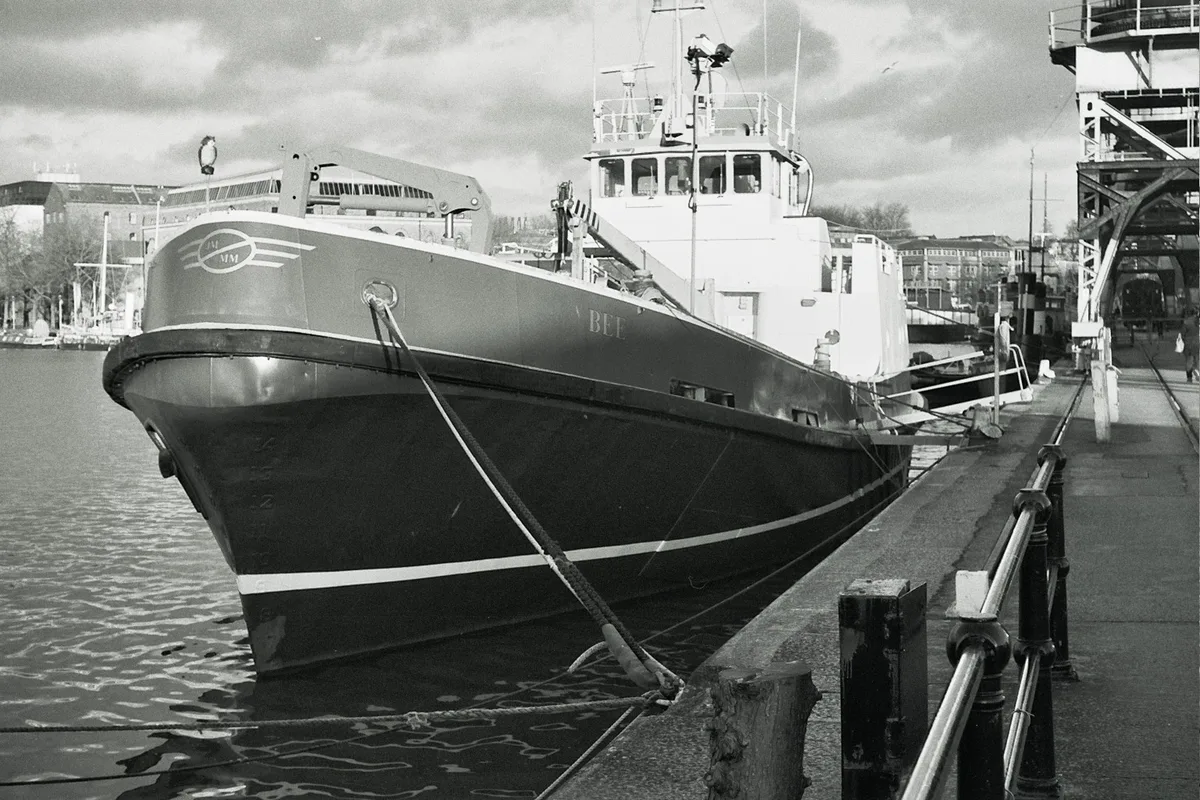
A directory-style guide to the agencies that govern safety, customs, and navigation, and how their duties divide.
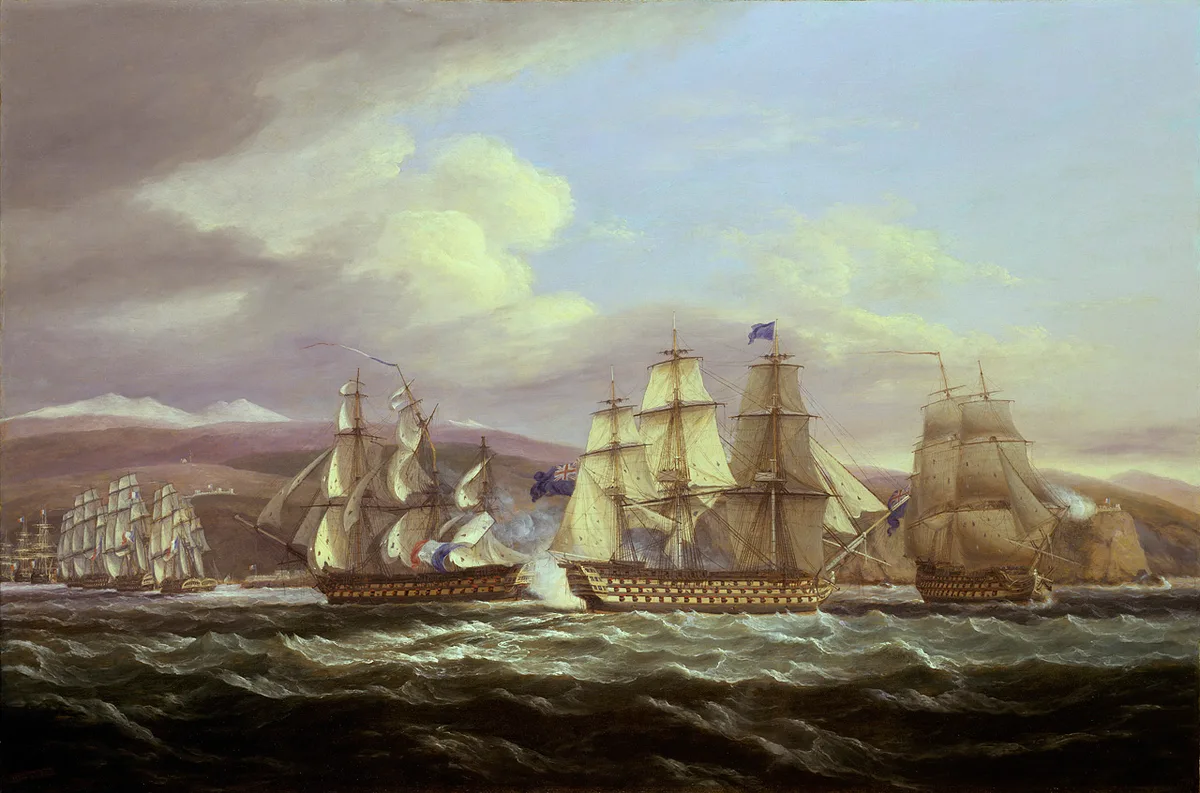
From the Royal Navy's close blockade of France to the World Wars, blockades have shaped conflicts and tested the law of neutrality. Here is how they work and when they succeed.
From interwar tonnage treaties to modern transparency accords, what naval arms control achieved, and why it faded.
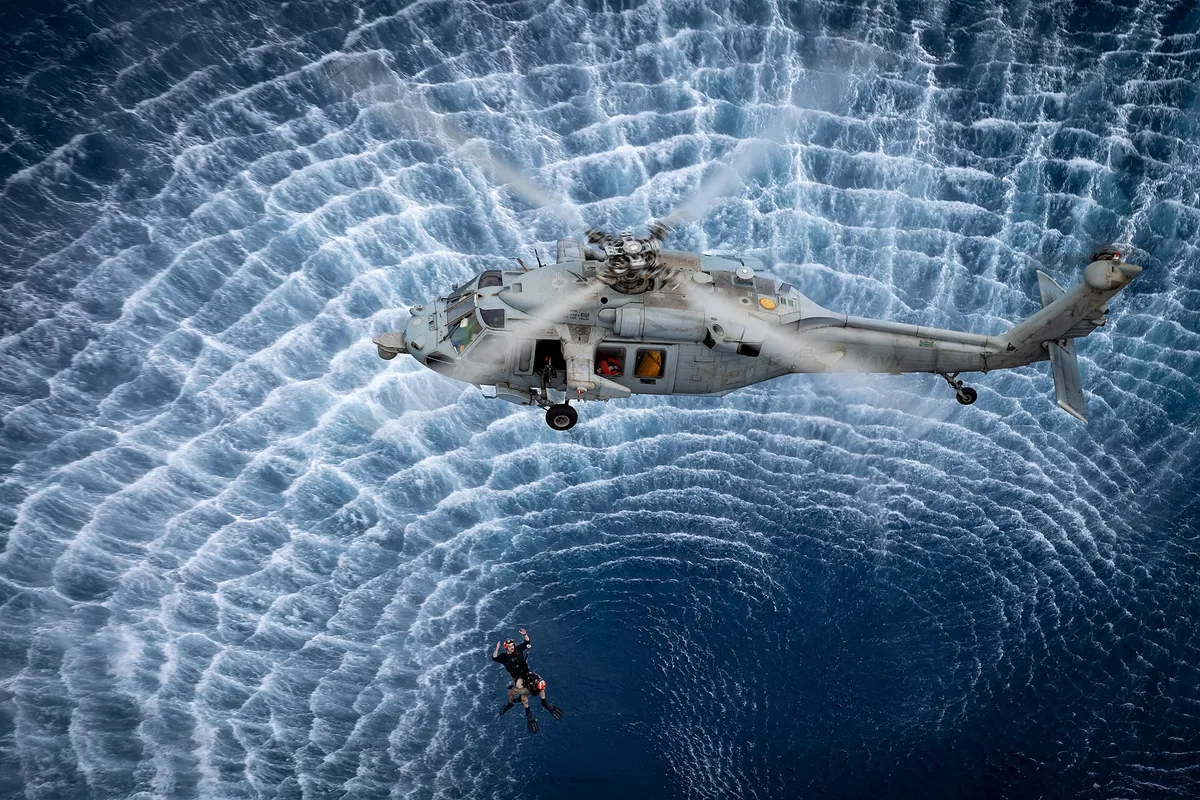
What the treaty actually says about territorial waters, exclusive economic zones, and straits used by navies.
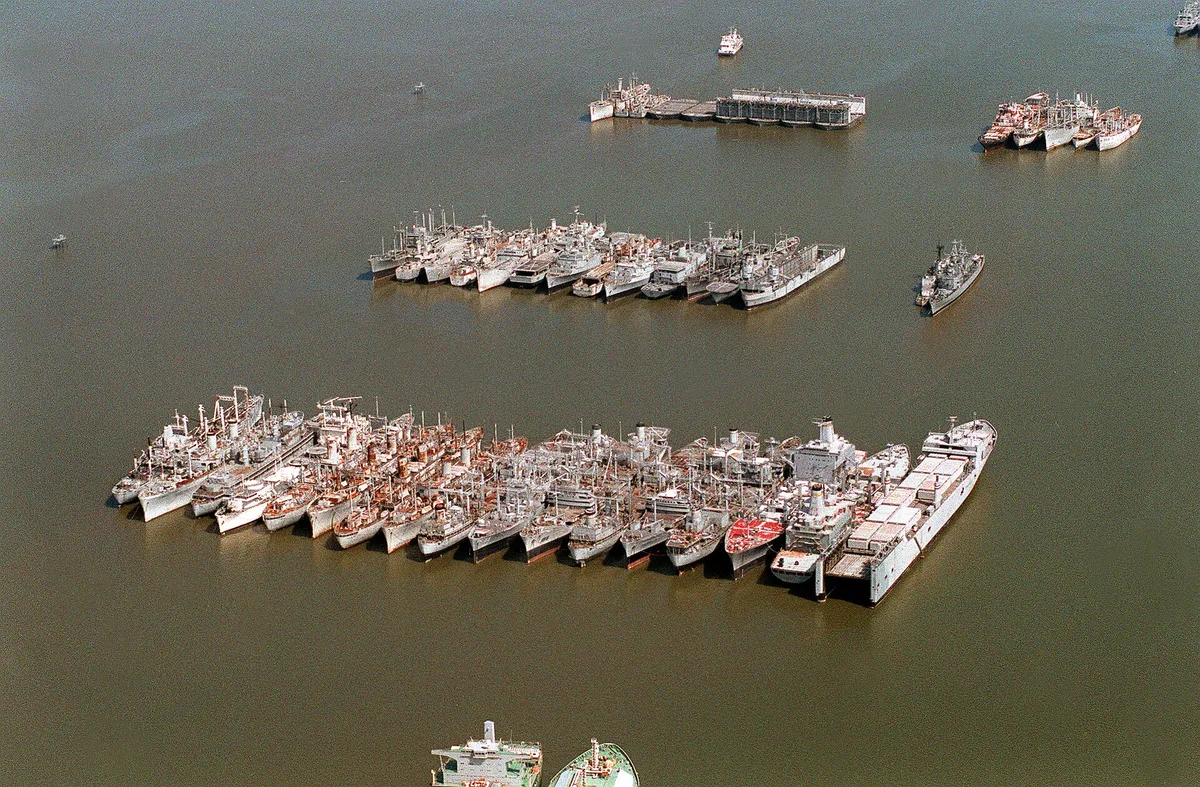
Retired ships do not always go straight to the scrapyard. Reserve fleets keep mothballed hulls preserved for years, ready to be reactivated in a crisis.
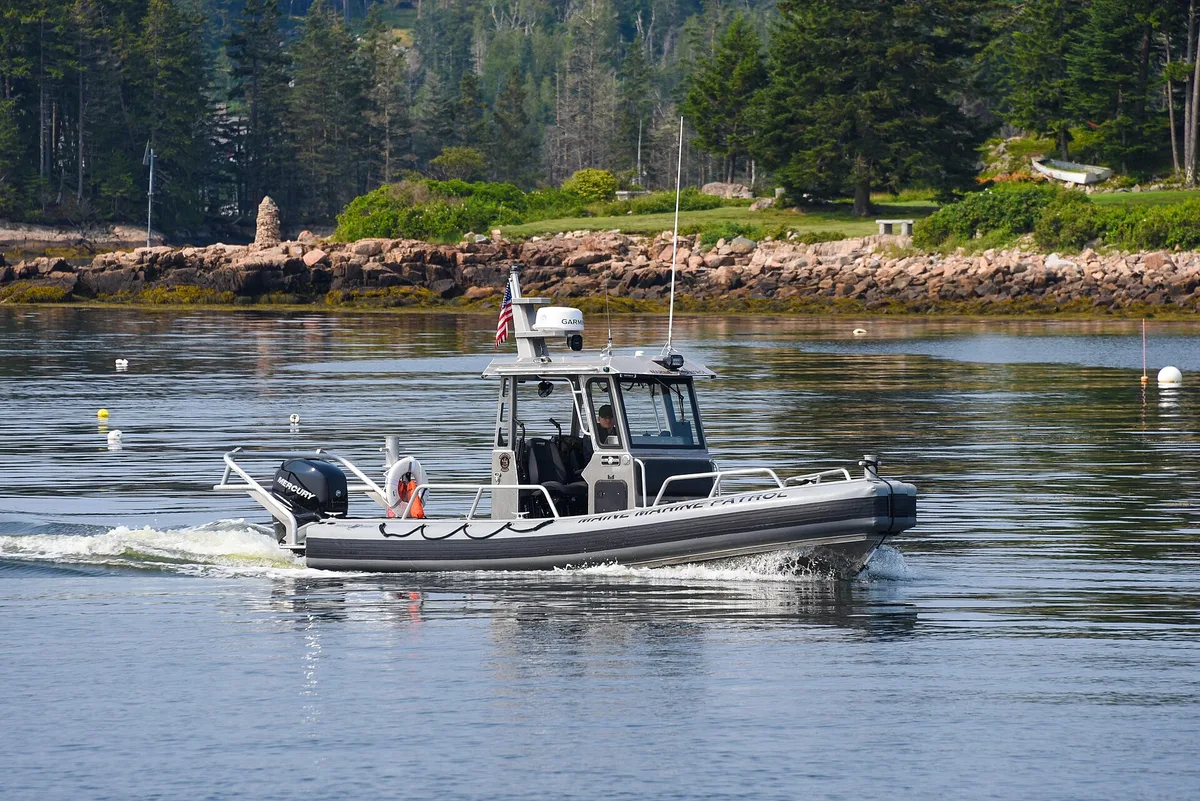
Why the humble patrol boat is the most common warship afloat: the types, the daily coast-guarding jobs, what they carry, and the small-ship comeback.
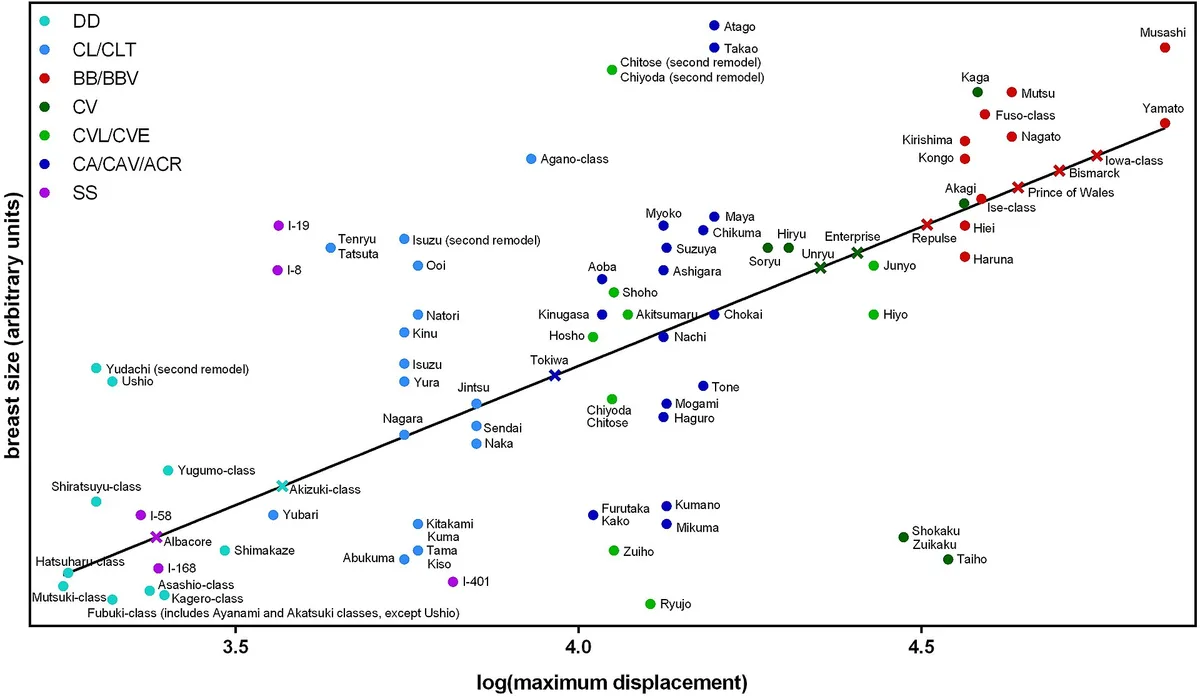
Diesel-electric and nuclear submarines compared in plain words: how each type works, what it does well, and why only a few navies run nuclear boats.
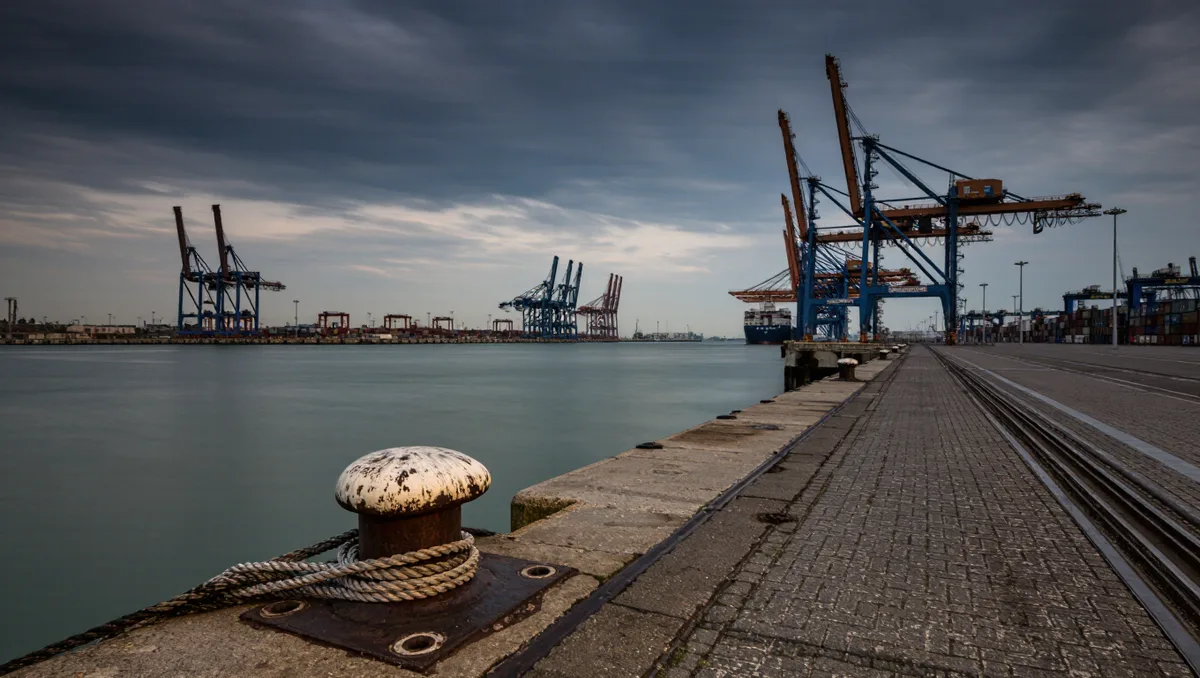
The purchase price is the smallest line in a ship's ledger. Support, upgrades and disposal follow for decades.
What sails in a US amphibious ready group: the three ship types, the Marines and aircraft aboard, and the missions from disaster relief to major war.