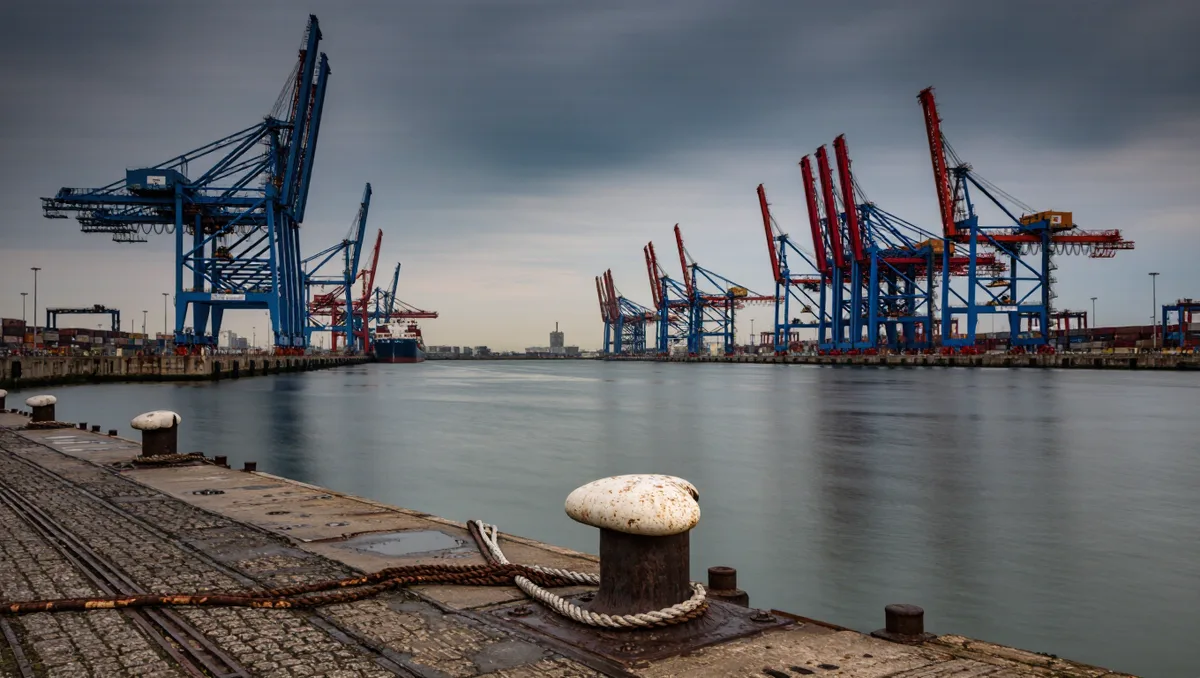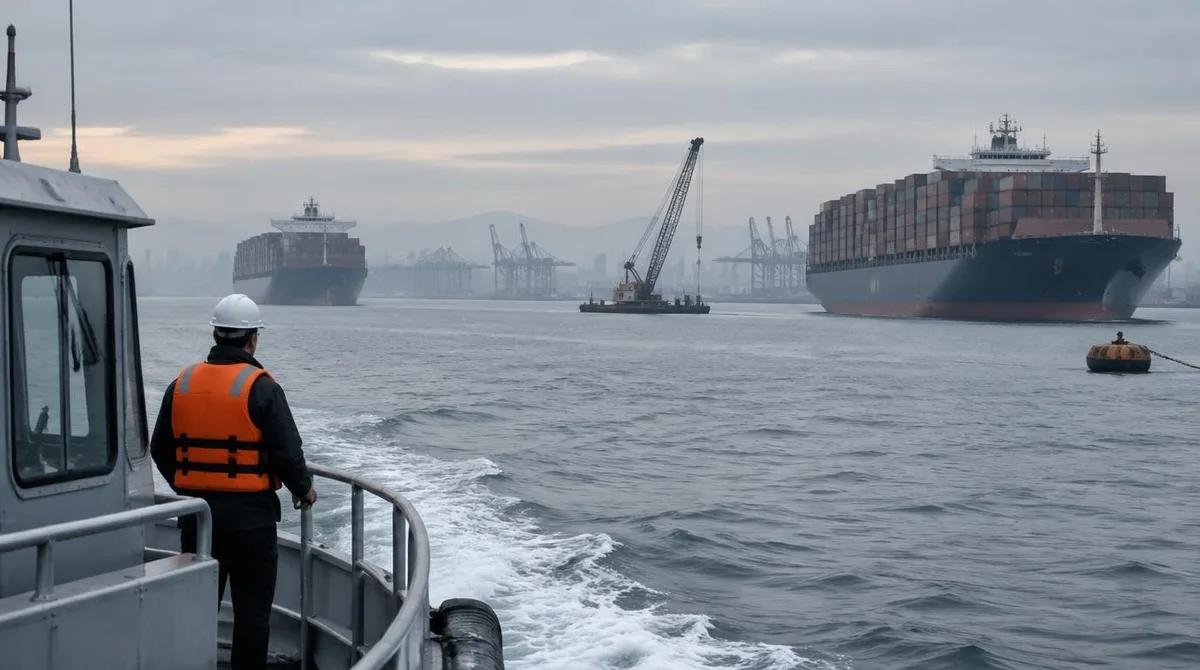
Port congestion is a queue that forms when ships arrive faster than a port can turn them around. Berths, cranes, and yard space fill first. Ships then wait at anchor for days or weeks. UNCTAD named port congestion as one driver of the 2024 surge in freight rates, so the queue reaches far beyond the harbor.
The mechanics repeat wherever trade jumps or routes close, as the coverage of Red Sea attacks on bulk carriers shows. A chokepoint opens, shipping shifts, and berths downstream fill.
This account sticks to dated records. Two carry the numbers: a Congressional Research Service report on the 2021 queues and the UN Trade and Development report of October 2024. Both sit at the center of the maritime news desk.
Why Do Ships Queue Outside A Port?
A ship queues when no berth is free, and a berth stays occupied when cargo cannot leave the yard fast enough. Trucks, trains, and warehouses set the pace. The CRS report described the result in one line: "Dozens of ships are now at anchor waiting to dock at the Ports of Los Angeles and Long Beach. Usually there are few or none."
Four limits queue ships most often, per the same report and the UNCTAD record:
- Yard storage full, so a berth cannot discharge without jamming the terminal.
- Labor and equipment short at berths, gates, and rail ramps.
- Customs processing slow, with officers and paper documents cited by port operators.
- Upstream closures, which push arrivals into ports at once.
What Started The Great Queues Of 2021?
Demand jumped while the system stood still, according to the CRS report of November 10, 2021. Pandemic lockdowns in Asia congested seaports globally. United States buying then shifted from services to goods, and retail sales excluding automobiles and gasoline ran 20 percent higher from March through July 2021 than in the same months of 2019.
The queue fed on itself. The report records shortages for retailers and factories, and lost sales for exporters who could not get empty containers back. One filled yard slows the ship behind it, so the queue grows without new demand.
How Does Congestion Reach Freight Rates?
Rates move first, according to UNCTAD's Review of Maritime Transport 2024. "Freight rates surged in 2024 due to rerouting, port congestion and rising operational costs." By mid-2024 the Shanghai Containerized Freight Index had more than doubled from late 2023.
Single routes show the size of the move, per the same report. From January to July 2024, the Shanghai to South America average rate more than doubled to $9,026 per TEU, the highest level since September 2022.
Who Pays When Ships Queue?
Costs travel down the chain. UNCTAD projects a 0.6 percent rise in global consumer prices by 2025 if the freight surge holds, with small island developing states facing a 0.9 percent rise and processed food costs up 1.3 percent. Exporters pay too, since CRS records lost sales from container delays in 2021. Readers following this should also see Operation Aspides: How the EU's Red Sea Escort Mission Reached Mid-2025.
Carriers gain on spot markets while cargo owners wait at the pier. Ports then spend on berths, labor, and yard space to clear the line. The bill for congestion is therefore split across shippers, shoppers, and exporters at once.
Conclusion: A Queue Is A Signal
A queue of ships is a signal about capacity, not weather or luck. UNCTAD's flagship report series records that around 80 percent of the volume of international trade in goods moves by sea, so a filled harbor taxes trade itself. The series has run since 1968, and the pattern repeats across its editions. The 2021 queues began with a demand jump, and the 2024 rate surge began with rerouting. In both records, congestion arrived where berths and yards ran out of room.