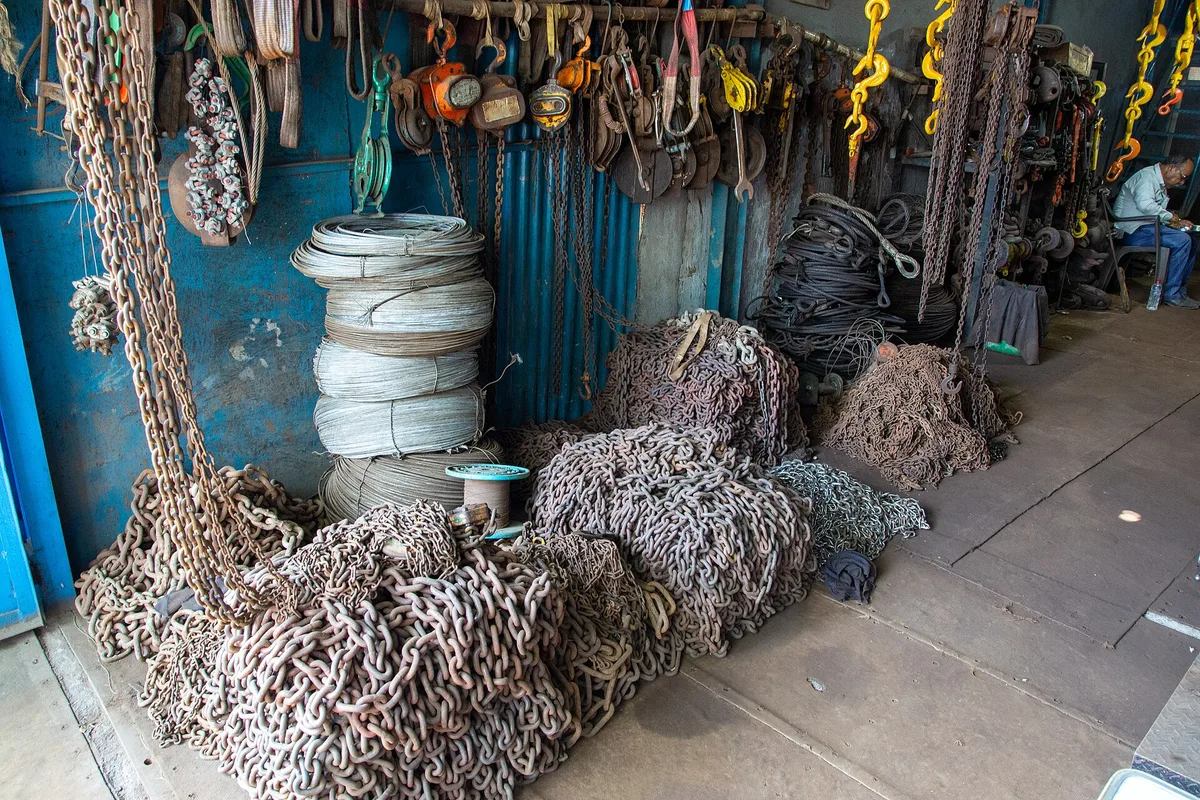
Topic
Ship Recycling Explained: Where Old Vessels Go and Who Profits
End-of-life tonnage moves through a cash market shaped by scrap steel prices, labor costs, and regulation.
End-of-life tonnage moves through a cash market shaped by scrap steel prices, labor costs, and regulation.
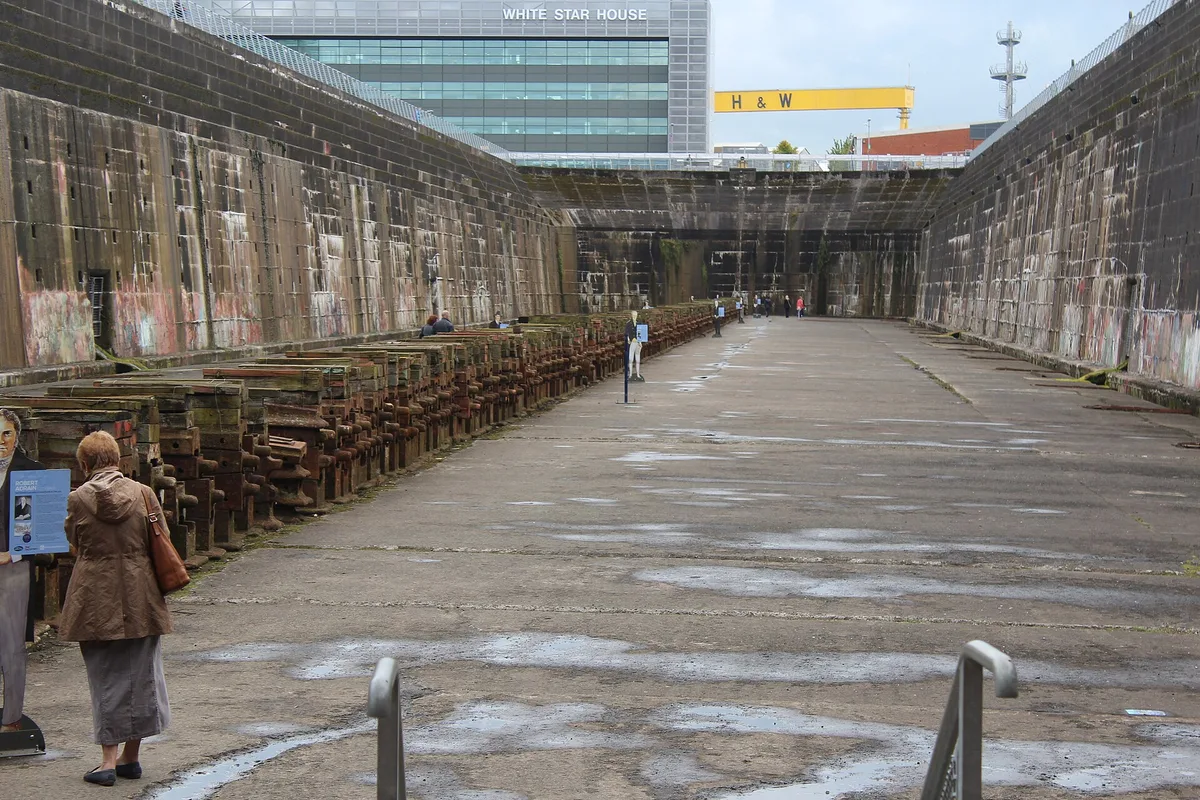
How a ship is lifted clear of the sea, what workers inspect and fix while it sits on blocks, and why the docking cycle shapes both navy budgets and shipyard order books.
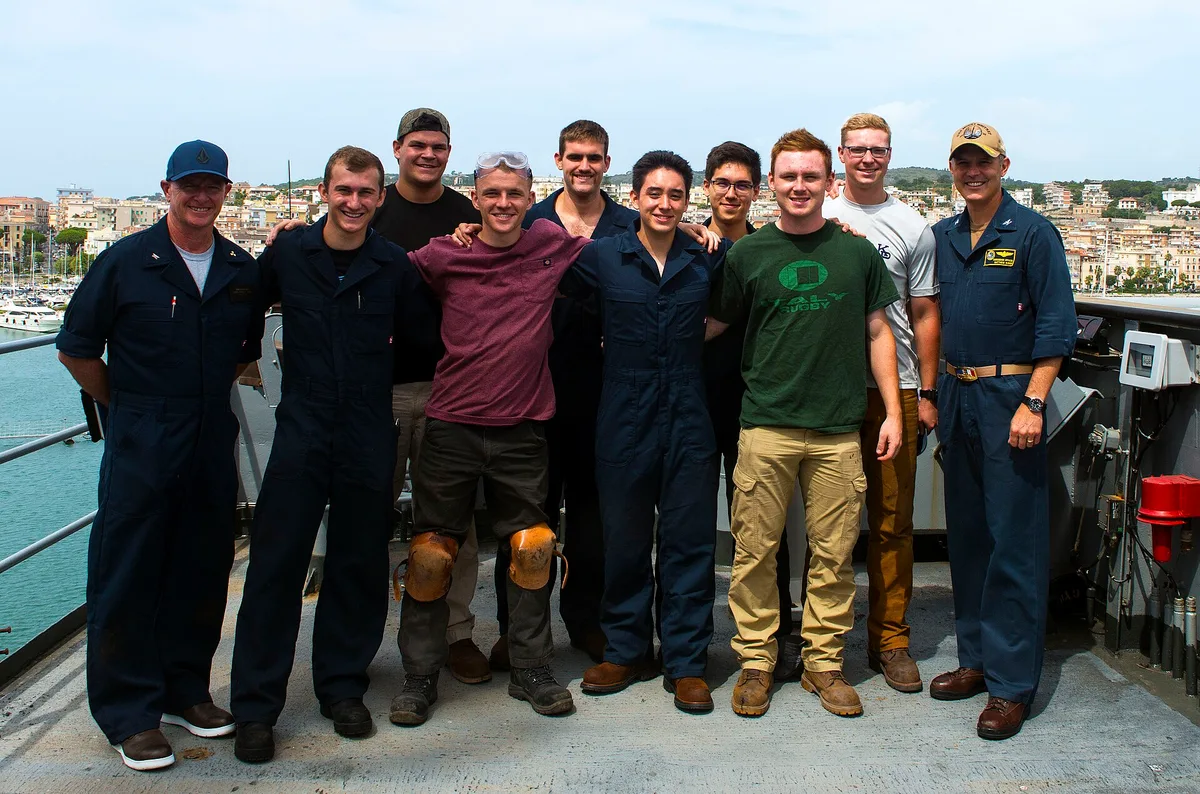
Civilian crews, commercial ships, and government sealift form the supply line that military operations depend on.
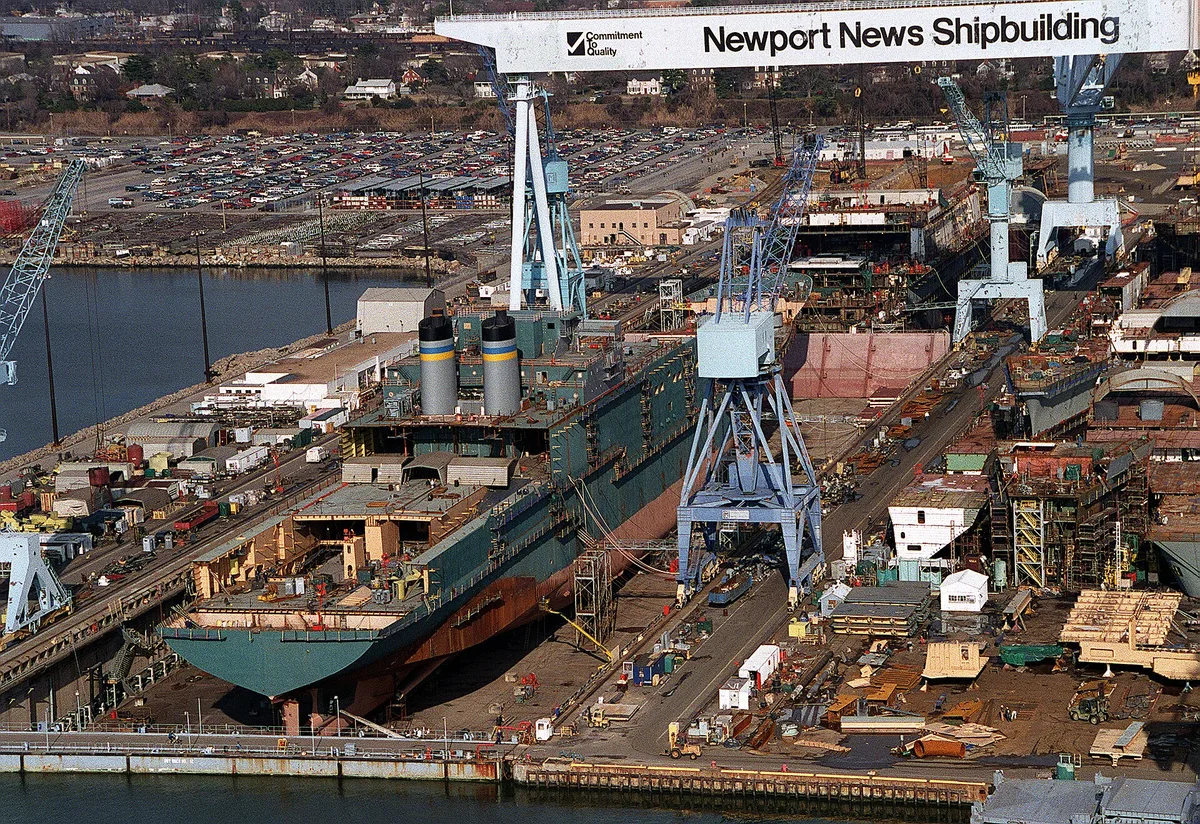
Prefab sections, common hulls and parallel work changed how a warship goes together.
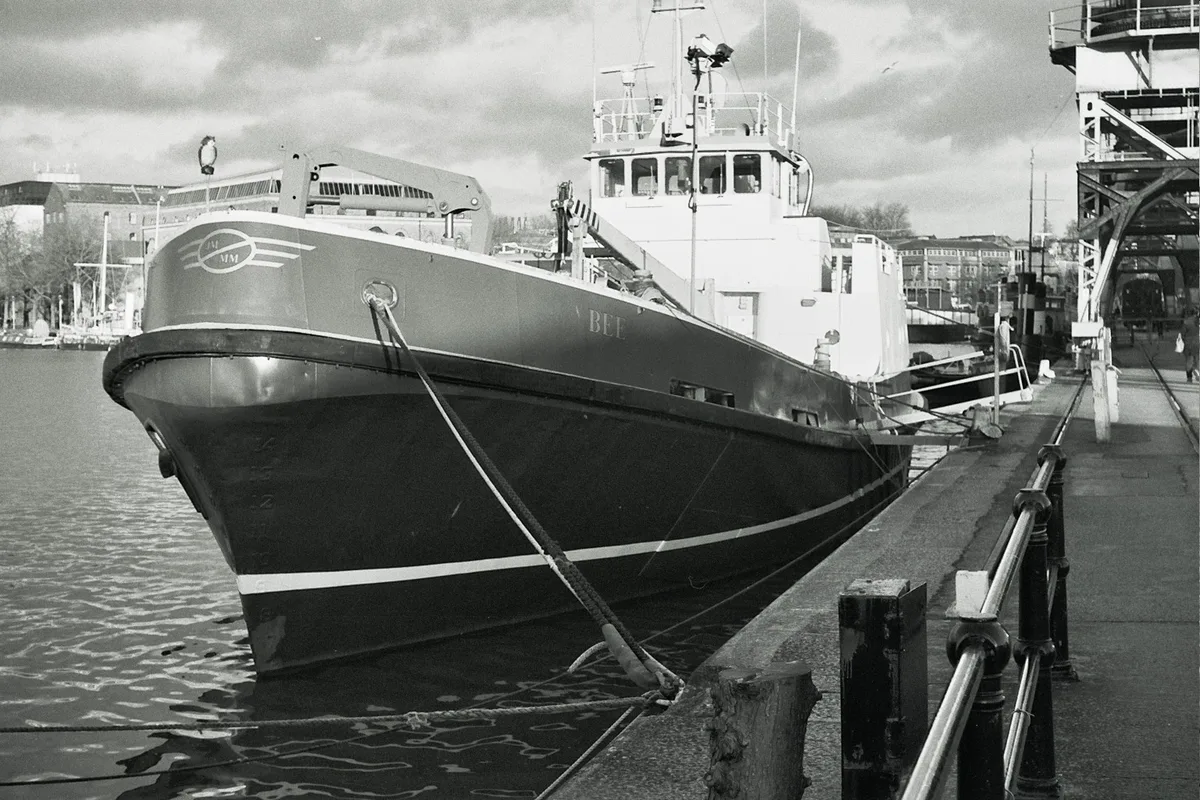
A directory-style guide to the agencies that govern safety, customs, and navigation, and how their duties divide.
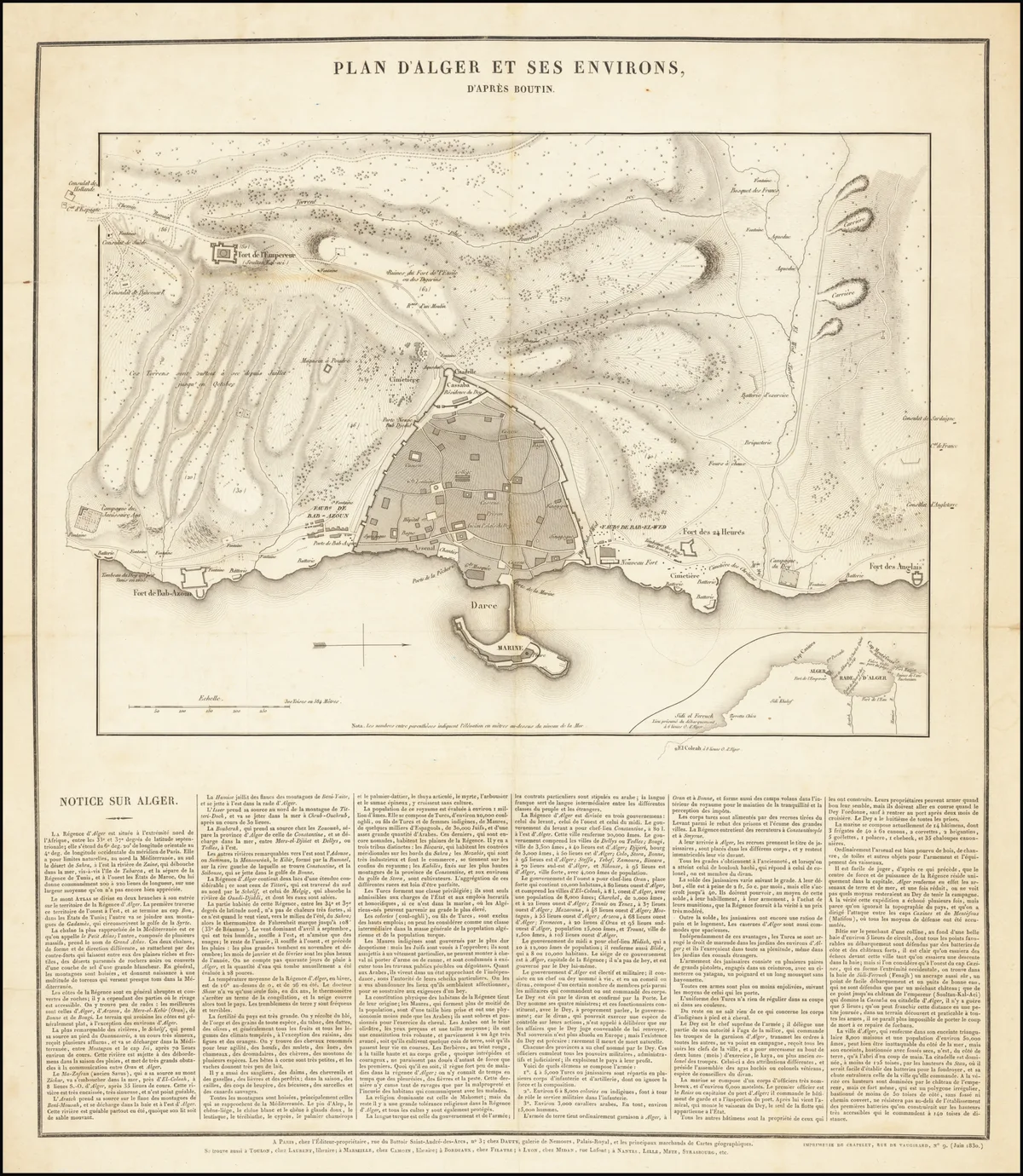
From interwar tonnage treaties to modern transparency accords, what naval arms control achieved, and why it faded.
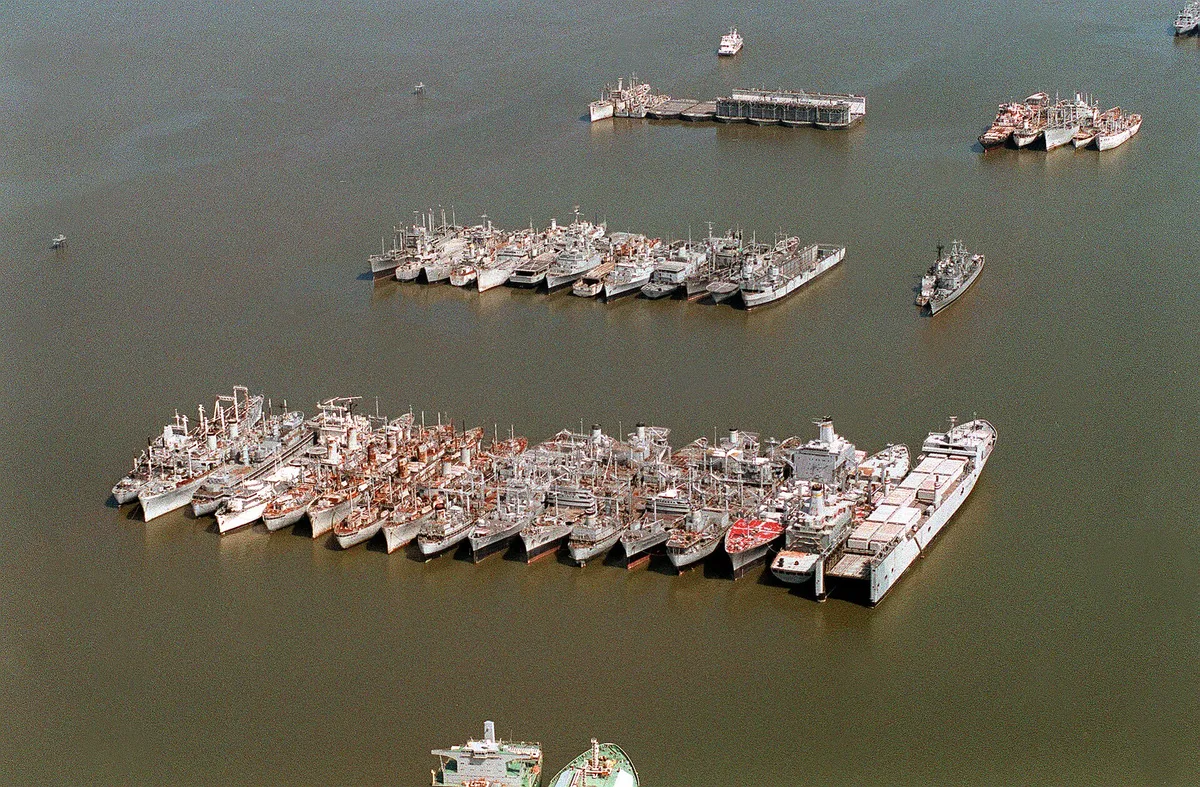
Retired ships do not always go straight to the scrapyard. Reserve fleets keep mothballed hulls preserved for years, ready to be reactivated in a crisis.
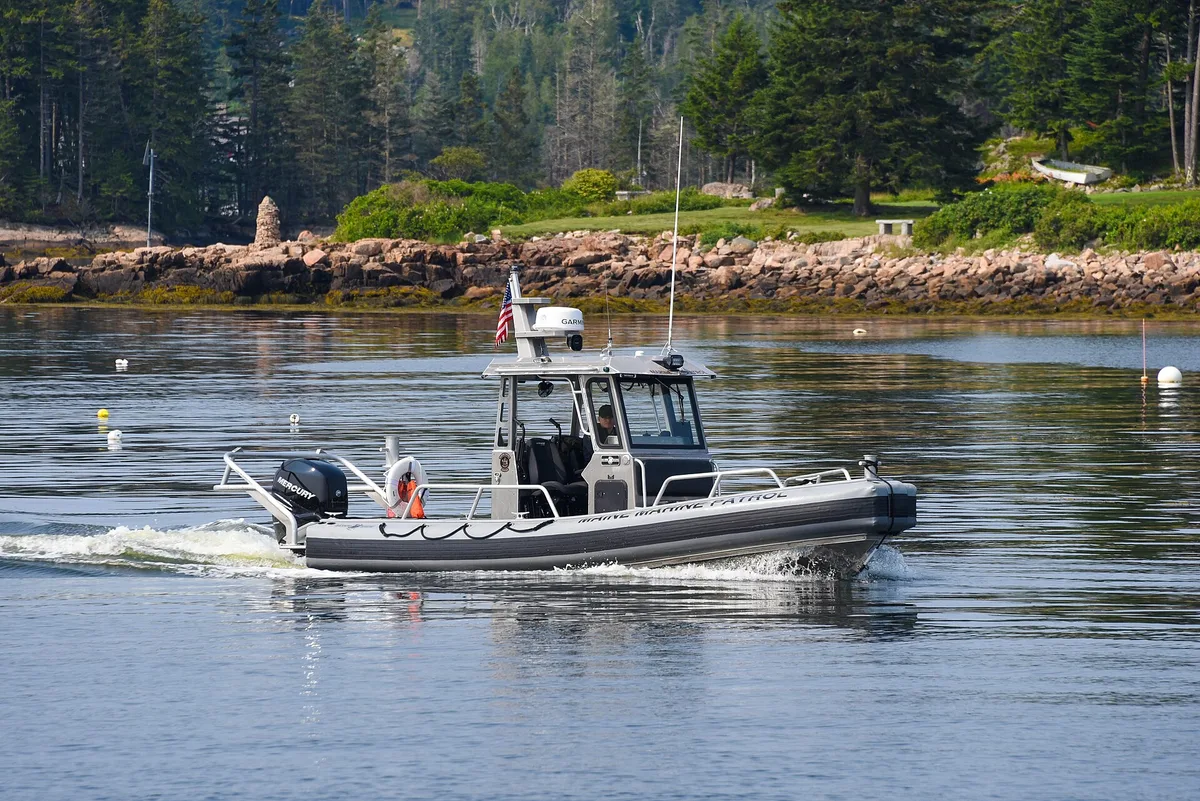
Why the humble patrol boat is the most common warship afloat: the types, the daily coast-guarding jobs, what they carry, and the small-ship comeback.

A plain-English guide to navy ranks: what the insignia on a sleeve mean, how rank sets pay and duty, and why every fleet still runs on a ladder of command.
The purchase price is the smallest line in a ship's ledger. Support, upgrades and disposal follow for decades.