Naval arms control is the practice of limiting warship numbers, size, or behavior by treaty. It peaked between the world wars, when the great powers agreed to cap battleship fleets by ratio. Today, no treaty caps warship numbers, and competition at sea runs largely unregulated.
This guide traces the arc. It explains what the interwar treaties did, why they collapsed, and what partial measures survive. It also states plainly what naval arms control cannot do, because the record shows the limits were always narrow.
Why did nations try to limit warships by treaty?
Because warship races were ruinously expensive and politically destabilizing. A battleship took years to build and consumed a large share of a national budget. When one power laid down a new class, rivals felt compelled to answer, and each round of answering raised costs for everyone.
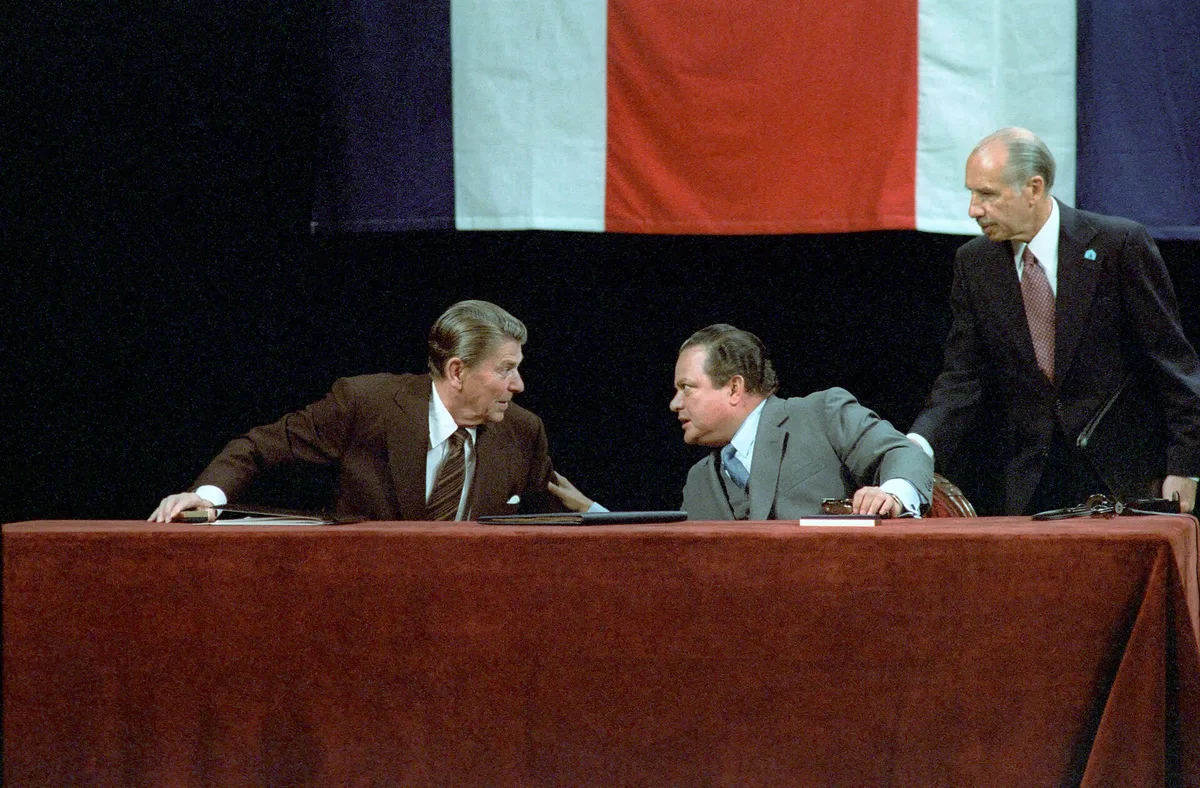
The first serious attempt to break that cycle came after the First World War. The United States, the United Kingdom, Japan, France, and Italy met in Washington in 1921 and 1922. The treaty they signed froze battleship construction and set a fixed ratio of capital-ship tonnage among the three largest signatories. It also limited the size of new warships and placed parts of the Pacific off limits to new fortification. According to the treaty text itself, the signatories accepted these limits to halt an arms race that their own delegations judged unsustainable.
The effort mattered for a second reason. It established the method: negotiated ratios, defined ship categories, and inspections of laid-down tonnage. Later arms control, on land and at sea, borrowed that method even when it abandoned the subject.
What did the interwar naval treaties actually achieve?
They achieved real but temporary limits. The Washington treaty of 1922 capped capital ships. The London treaty of 1930 extended limits to cruisers, destroyers, and submarines, and refined the ratio system. A second London treaty followed in 1935. For roughly a decade and a half, the major fleets were built to negotiated ceilings rather than to rivalry.
The treaties also shaped ship design in visible ways. Because tonnage ceilings bound each ship, designers worked inside strict weight budgets. Vessels of that era carry the fingerprints of the treaties in their armor, armament, and size. This is one of the clearest cases in naval history where paperwork changed shipyards.
The achievement had a hard ceiling of its own. The treaties covered specific ship categories, not naval power as a whole. Aircraft carriers sat inside the limits, but naval aviation grew fast and the definitions aged. Submarine warfare was restricted in principle but never effectively in practice. And the agreements bound only the signatories. Nations outside the system built freely.
Why did the naval arms control system collapse?
It collapsed because the political conditions behind it collapsed. The system depended on the major powers agreeing that the status quo was acceptable. When Japan concluded that the assigned ratios left it permanently inferior, the bargain lost its buyer. Japan announced its withdrawal from the treaty system in the mid-1930s, and the remaining agreements lost their central party.
Escalation clauses made the end faster. The treaties allowed signatories to exceed limits when a non-signatory built beyond them. That mechanism, meant to protect the signatories, instead gave each one a legal route to rearmament. By the late 1930s, the limits existed mostly on paper, and the Second World War buried them entirely.
The collapse taught a durable lesson. Naval arms control holds only while every major maritime power prefers a capped fleet to a free one. A single dissatisfied great power is enough to end it.
What replaced fleet limits after 1945?
Nothing replaced fleet limits directly. After 1945, arms control shifted to weapons of mass destruction and to transparency rather than to warship counts. Treaties addressed nuclear testing, strategic missiles, and seabed weapons emplacement. The 1971 seabed treaty, in broad terms, bars stationing weapons of mass destruction on the ocean floor, and it remains in force. These accords limit what navies may place at sea, not how many ships they may build.
Transparency measures took the place of tonnage ratios. Incidents-at-sea agreements, negotiated between the United States and the Soviet Union in 1972, set rules of professional conduct for warships operating near each other. The aim was not fewer ships but safer encounters. Similar logic later informed codes of conduct for encounters in crowded regional waters.
The legal order of the sea also grew around navies without capping them. The law of the sea framework, examined in detail in The UN Convention on the Law of the Sea, Demystified, governs where ships may go and what they may do, not how many exist. That distinction defines modern naval arms control: behavior is regulated, force levels are not.
What does naval arms control look like today?
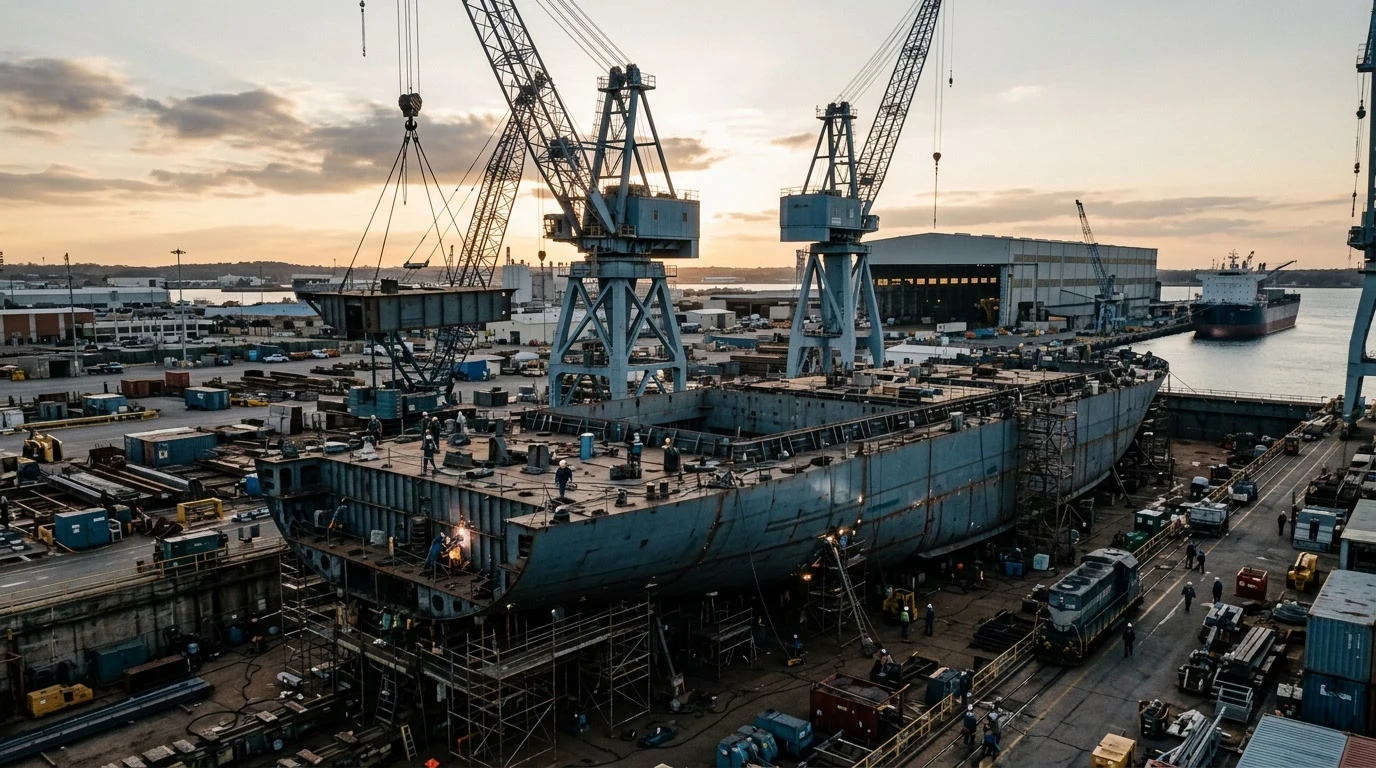
Today it looks sparse. No treaty caps the size of any major fleet. Shipbuilding programs proceed under national budgets and alliance arrangements rather than negotiated ceilings. Recent reporting illustrates the pace: Naval News documented, in early October 2026, a multi-billion-dollar investment in the United States submarine industrial base alongside new destroyer commissionings and missile contracts, a picture of expansion rather than restraint.
What survives falls into three groups. First, conduct agreements that govern encounters, communications, and maneuvering between warships of different nations. Second, weapons-specific limits, chiefly on nuclear systems and seabed emplacement. Third, regional confidence-building measures that require advance notice of exercises or exchanges of observers. Each limits behavior at the margin. None limits fleets.
Alliance technology transfer sits outside arms control entirely, though it shapes the same fleets. The arrangement covered in AUKUS Pillar 1 Explained: How Australia Gets Nuclear-Powered Submarines shows how modern naval power spreads through partnership rather than through any negotiated balance.
What this means for judging naval arms control
The historical record supports a sober judgment. Naval arms control worked when it addressed a specific, measurable, mutually feared object: battleship tonnage. It failed when the underlying political settlement failed, and it never covered the whole of naval power. Its successes were real. The interwar treaties slowed a race, shaped ship design, and created methods still used in other arms control fields.
Its limits were equally real. Fleets reflect budgets, and budgets reflect threat perceptions, as the mechanics described in Defense Budgets 101: How Naval Funding Gets Decided make plain. A treaty cannot hold when the funding logic beneath it points the other way.
What remains unknown is whether any future settlement could restore fleet limits. That would require the major maritime powers to judge, as their predecessors did in 1922, that a capped fleet serves them better than a free one. No current evidence suggests such a judgment is near. The honest conclusion of this history is that naval arms control is a tool for managing rivalry among powers who already want rivalry managed, and that it has never been a tool for ending rivalry that at least one great power still wants to win.
Closing context: what the history establishes
Three findings hold across the record. Naval arms control succeeded once, under narrow conditions, and its method outlived its subject. Its collapse followed the withdrawal of a dissatisfied major power, not a technical failure of verification. And the modern regime regulates conduct, not counts, leaving fleet size to budgets and alliances.
For readers tracking the field, the useful watchpoints are conduct agreements and regional codes, not tonnage ratios. Those are the instruments that still move. The treaties that once capped the great fleets remain what they have been since the late 1930s: a completed chapter of naval history.