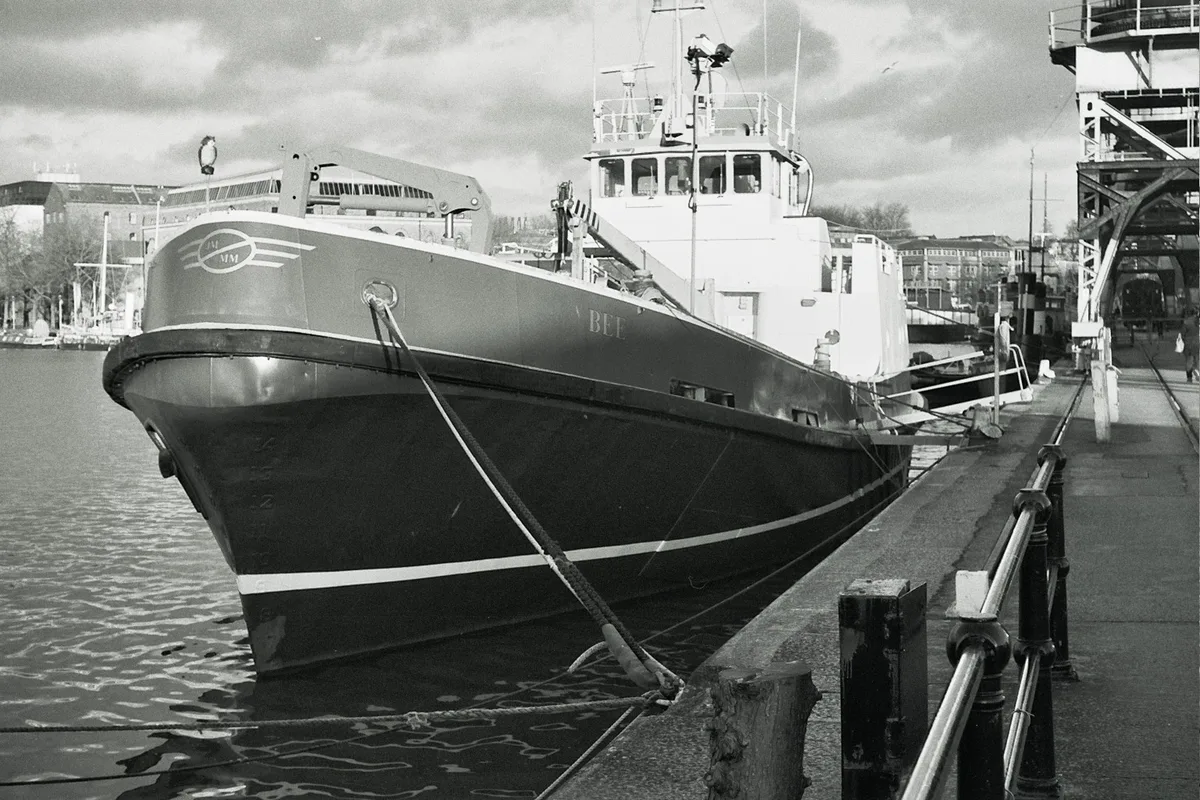
Ship recycling is the process of selling an old vessel to a yard that removes its equipment, cuts its hull into steel plates, and sells the metal for re-melting. The practice exists because a worn-out ship still holds value: its steel, engines, and fittings can be recovered and resold. Most commercial tonnage ends this way, and the destinations are concentrated in a handful of countries.
Who profits depends on the scrap market. The seller receives a price per ton of lightweight displacement, set largely by world steel demand and the labor and compliance costs of the yard. Yards in South Asia have historically offered the highest prices because their operating costs are lowest; yards that meet stricter environmental standards pay less per ton. The gap between those two prices is the central tension of the trade.
The scale of the merchant fleet behind this cycle is large. According to Wikipedia's ship overview, ships carried a global cargo capacity of 2.4 billion tons in 2024, led by dry bulk carriers, oil tankers, and container ships. Every one of those hulls has a finite economic life, and each eventually becomes a recycling candidate.
How does a ship reach a recycling yard?
The route runs through a cash buyer. When an owner decides a vessel is no longer worth operating, the ship is offered for sale "as is" to intermediaries who purchase it outright, deliver it to the yard, and take the resale risk. Cash buyers exist because owners want certainty of payment and freedom from the complications of delivering a dead ship across long distances.
Before delivery, the vessel is stripped of anything portable and valuable: spare parts, stores, and sometimes fuel. Classification societies and flag states are notified, and insurance is arranged for the final voyage. The ship then sails, often under reduced manning, to the recycling destination. There, the transaction reverses direction: instead of the owner paying for a service, the yard pays the owner for the metal.
This is the mirror image of how a ship enters service. The lifecycle runs from order book to construction to decades of trading to sale for scrap, and each stage has its own market and its own paperwork. Readers following the front end of that cycle can see it in How to Read a Shipyard's Order Book: Backlog, Slots, and Signals. This connects to our earlier piece, How to Read a Shipyard's Order Book: Backlog, Slots, and Signals.
What are beaching yards, and why do they matter?
A beaching yard is a recycling facility where a vessel is driven at full power onto a tidal mudflat at high water. As the tide recedes, the ship settles on the shore, and workers dismantle it in place, section by section, from the top down. This method requires no permanent infrastructure such as a dock or a slipway, which keeps costs low.
Beaching is controversial for two reasons. First, the method makes containment difficult: oils, paints, and other residues can seep directly into the intertidal zone. Second, large sections are cut by hand with cutting torches, often by workers with limited protective equipment. Advocacy groups and industry bodies have documented these conditions for years, and the practice remains the dominant method in the highest-paying destinations.
The alternative is what the industry calls "green" recycling: a pier-side, slipway, or dry dock method where the hull is contained, drained, and dismantled on impermeable ground with cranes lifting sections clear. These yards cost more to run, so they bid less for ships. When scrap prices are high, owners can afford the greener option; when prices fall, compliance is often the first cost cut.
What rules govern ship recycling?
Regulation is layered and uneven. The central international instrument is the Hong Kong Convention for the Safe and Environmentally Sound Recycling of Ships, developed under the International Maritime Organization, which sets requirements for ships to carry an inventory of hazardous materials and for yards to hold certified recycling plans. Its entry into force came years after adoption, a delay that shaped how the industry prepared for it.
Alongside the treaty regime, the European Union operates its own list of approved recycling facilities, which ships flying EU flags are required to use at end of life. National law adds further variation: some recycling states impose their own yard standards, while enforcement capacity differs widely. The result is a patchwork, and the same vessel may face very different obligations depending on its flag, its owner's domicile, and its final destination.
For readers tracking which bodies hold which authority, Government Maritime Agencies Explained: Who Regulates What maps the oversight landscape. The recycling trade sits at the junction of several of them: maritime safety regulators, environmental agencies, customs authorities, and labor ministries all touch the same transaction.
What sets the scrap price a shipowner receives?
Three forces dominate. The first is steel demand. Ship recycling is, at its core, a steel supply business, so the price per ton moves with regional construction activity and steel input costs. When steel demand rises, yards bid more for tonnage, and the supply of ships offered for scrap tends to tighten because owners hold vessels longer in a strong freight market.
The second force is freight rates. A ship earns money while trading and only earns once when scrapped, so owners scrap when the vessel can no longer cover its operating costs. High freight rates keep old ships working; low rates push marginal tonnage to the beach early. This is why scrapping activity tends to surge when shipping markets slump.
The third force is regulation and location. Labor costs, currency movements, fuel prices, and the compliance burden a yard carries all feed into what a buyer can offer. A compliant yard in a high-cost jurisdiction cannot match the headline price of a low-cost beaching yard, which is why sellers face a real choice between the best price and the best practice.
What does this mean for navies and government fleets?
Government vessels follow a different path in some respects, but the same economics apply. Warships contain specialized materials, including alloys, insulation, and systems that require controlled disposal, so naval recycling is typically more regulated and more expensive than commercial scrapping. Naval programs usually dispose of hulls through formal tender processes rather than the cash-buyer market, and the government may pay for disposal rather than receive payment for the metal.
The policy questions are practical: whether to fund domestic dismantling capacity, how to handle hazardous materials aboard retired warships, and how disposal timelines interact with fleet plans. A hull awaiting disposal ties up a berth, a maintenance budget line, and, in some cases, a name the service wants to reuse. Disposal delays therefore connect directly to shipbuilding and fleet management decisions covered in shipbuilding coverage on this site.
The bottom line on ship recycling
The evidence establishes a trade with a clear structure: owners sell to cash buyers, cash buyers deliver to yards, and yards profit on the spread between the purchase price and the recovered value of steel and equipment. What the market pays is set by steel demand, freight rates, and regulatory costs. What remains unsettled is the pace at which the highest-standard practices displace beaching, because that outcome depends on enforcement in recycling states and on whether owners will accept lower prices for compliant disposal. Until the price gap closes, the market will keep voting with its money.