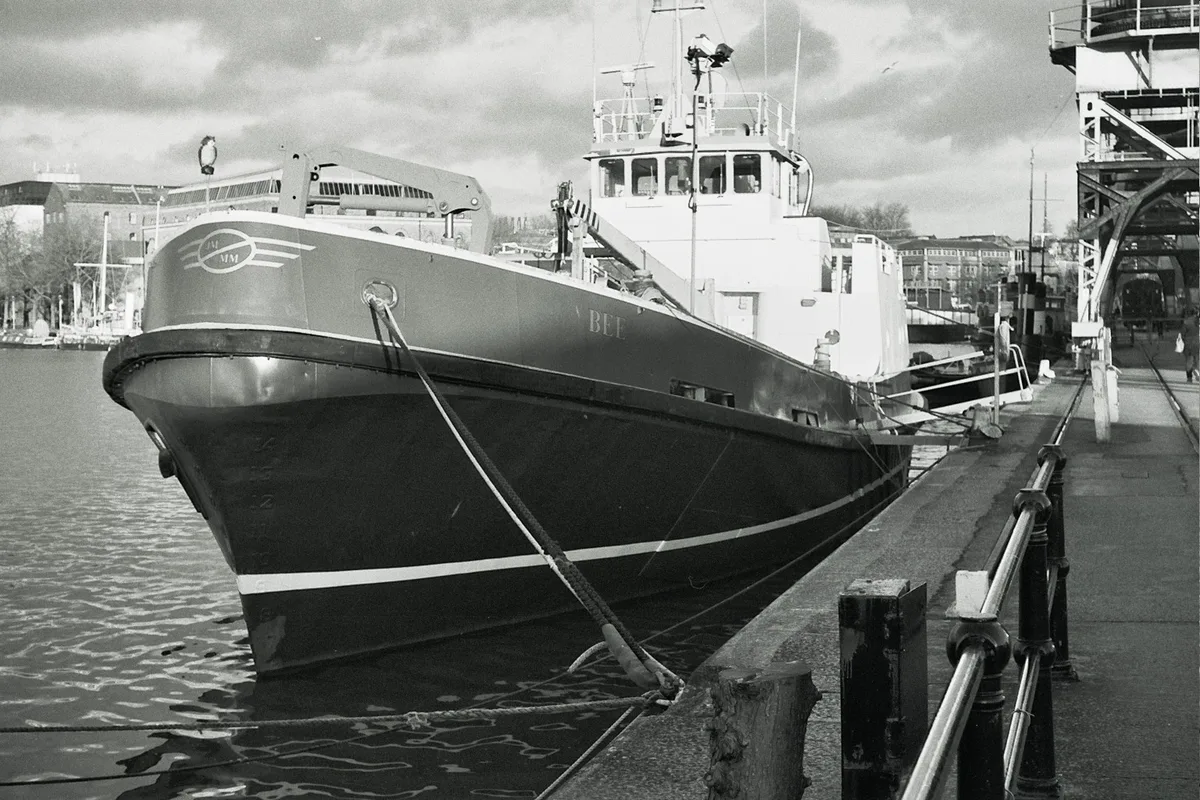
Maritime government agencies are the public bodies that write and enforce the rules ships follow. They divide the work by function. One set of agencies handles safety, another handles customs and border control, and a third handles navigation and the waterways themselves. No single agency does all three.
The division matters to anyone who builds, crews, inspects, or insures a vessel. A ship can meet every safety rule and still be held at a border for a customs problem. This guide maps the main functions, explains where each agency's authority begins and ends, and notes the limits of what is publicly documented. The word itself has maritime roots: according to Wikipedia, "government" derives from the Greek verb kubernáo, meaning to steer with a rudder, a metaphor attested as far back as classical antiquity.
What does a maritime government agency actually do?
A maritime agency is a government body that regulates activity on the water. Its tools are law, licensing, inspection, and enforcement. The work falls into broad families: safety regulation, customs and border control, navigation and waterway management, environmental protection, and defense.
The families overlap, which is why the map matters. A port call touches safety inspection, customs clearance, immigration checks, and often environmental rules. Agencies coordinate through formal agreements, but a ship operator deals with each one separately. Knowing which agency owns which question saves time and avoids the common error of asking the wrong office.
Who regulates safety at sea?
Safety regulation covers how a ship is built, equipped, crewed, and operated. Flag-state administrations, the agencies of the country a vessel is registered under, set and enforce these standards for ships flying their flag. Port-state control inspectors in foreign ports can check visiting ships against international standards and detain vessels that fall short.
Safety authority typically extends to hull construction, life-saving equipment, radio equipment, crew certification, and manning levels. Classification societies, which are private bodies, verify technical compliance on behalf of flag states, but the legal authority remains with the government. A shipbuilder or owner answers to the flag state, not to the surveyor.
Accident investigation usually sits in a separate safety body or a dedicated marine casualty unit. Investigators establish causes and publish reports. Their findings inform future rules, but they do not assign criminal liability; that belongs to courts and prosecutors.
Who handles customs and border control at ports?
Customs agencies control what enters and leaves a country by sea. They assess duties, seize prohibited goods, and clear cargo and crew. Immigration authorities handle the people, checking seafarers and passengers against entry rules. Agriculture and biosecurity inspectors often add a third layer, screening food, ballast, and waste for pests and disease.
For a commercial vessel, the customs process is largely documentary. The master or agent files manifests and declarations, and officials may board to verify them. Physical inspection is selective. A ship that files accurate paperwork and holds valid crew documents normally clears without delay, while discrepancies trigger holds that only the customs authority can lift.
Who manages navigation, waterways, and ports?
Navigation authorities keep the waterways usable and safe. Their duties include maintaining charts and buoyage, operating vessel traffic services in crowded approaches, managing aids to navigation such as lighthouses and radio beacons, and regulating local traffic in harbors and rivers. Hydrographic offices survey the seafloor and publish the charts that navigation worldwide depends on.
Port authorities, which may be government agencies or public-private bodies, manage the harbor itself: berths, moorings, pilotage, and towage. Pilots who guide ships through local waters typically work under a licensing regime set by the navigation authority. The port authority and the customs agency are different bodies with different records, and a berth is not a customs clearance.
Where does defense fit in the picture?
Navies and coast guards are maritime agencies too, but their mandates differ from the civil regulators. A coast guard usually combines law enforcement at sea with search and rescue, and in many countries also carries safety inspection duties. A navy's role is defense, and its operations fall outside the civil regulatory framework.
The boundary is practical, not academic. A coast guard boarding a fishing vessel acts as a law-enforcement agency. A navy warship exercising a right of passage acts under military authority. Some nations merge the two functions in one service; others separate them entirely. Readers following procurement and fleet policy can find more context in the site's policy coverage and its Government News section. Readers following this should also see Navy Christens Future USS Utah (SSN-801), Second Warship to Carry a Name Lost at Pearl Harbor.
How do state and local governments fit in?
National agencies set the main framework, but state and local governments run many services mariners and port workers use daily. State portals show the range. According to the State of South Carolina's official government portal, the state organizes services such as court payments, licensing, and veteran support through a single online account system, illustrating how sub-national agencies deliver services that touch maritime workers and their families.
State and local bodies also hold direct maritime powers in some systems: state harbormasters, local pilot commissions, and state environmental agencies with jurisdiction over coastal waters. The exact split between national and state authority varies by country. What stays constant is the principle: the level of government that holds the legal power is the one whose rules bind, regardless of who operates the facility.
What this means for readers
Three practical points follow from the map. First, identify the function before the agency. A question about crew certification goes to the safety regulator, not to customs. Second, the flag state is the anchor for most ship-related questions, because it holds primary legal authority over vessels on its register. Third, records live with the agency that created them; safety inspection records, customs declarations, and chart corrections are held by different offices and are requested separately.
The picture also explains why maritime governance changes slowly. Rules follow international agreements, and international agreements follow consensus among many governments. When a rule does change, it moves through each national agency separately, which is why implementation dates differ by flag state. Readers tracking those changes in the shipbuilding and fleet context will find related coverage in the site's shipbuilding and Maritime News sections. This connects to our earlier piece, SECNAV Phelan Directs $448 Million Into Shipbuilding Operating System to Speed Fleet Construction.
The limits of this guide are worth stating plainly. Agency names, structures, and legal powers differ by country, and this guide describes functions rather than any single nation's org chart. Readers who need the governing authority for a specific vessel or port should consult that jurisdiction's own published rules, which are the primary documents and the final word.